
The best grease gun for automotive use is the one that matches your workload, your fittings, and how much control you need, because a “powerful” gun that over-pressurizes seals or leaks at the coupler is a headache in real life.
If you’re maintaining a daily driver, a small fleet, or doing suspension and chassis work on weekends, choosing the right grease gun saves time, keeps fittings from stripping, and helps you avoid the classic mess on boots, rotors, and shop floors.
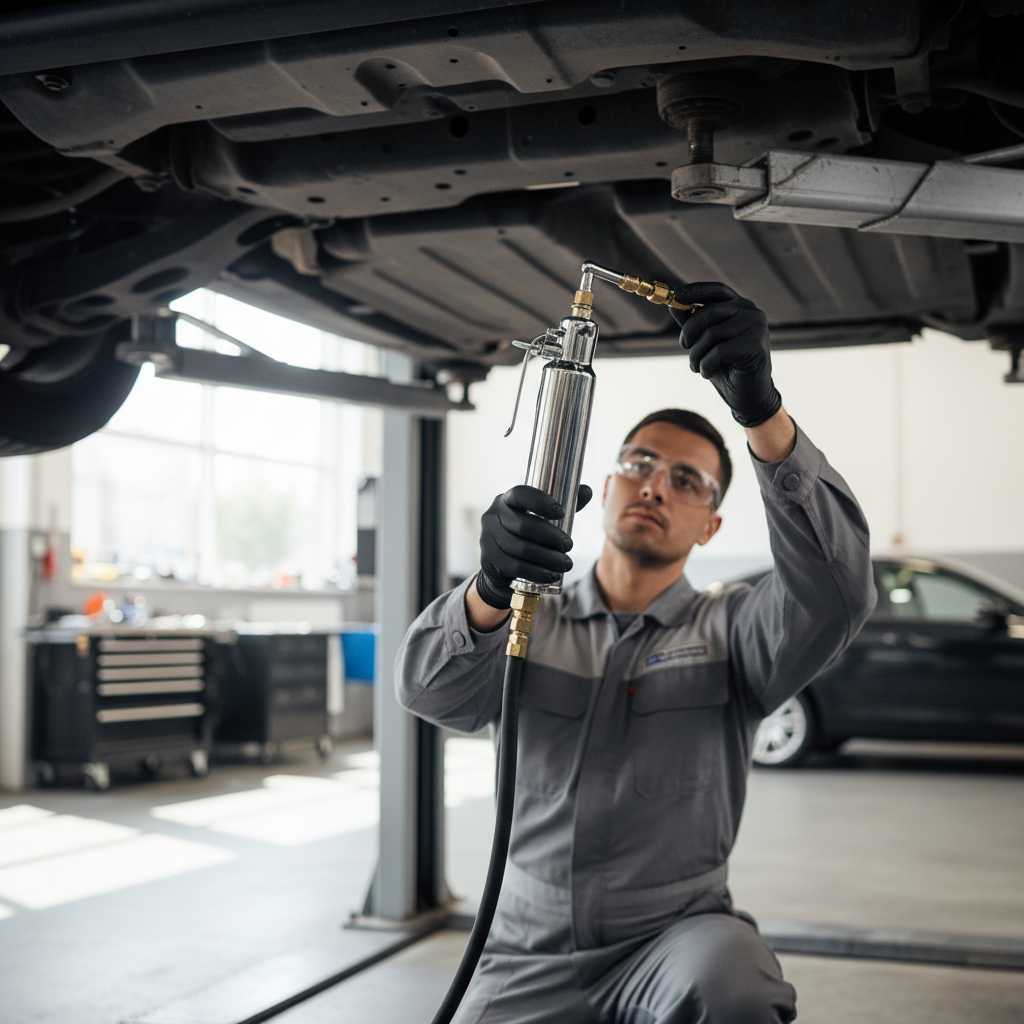
Plenty of people get stuck on brand debates, but the practical decision usually comes down to three things: delivery control (not blasting grease everywhere), coupler reliability (staying attached without a fight), and how often you’ll actually use it.
This guide breaks down grease gun types, the features that matter for automotive fittings, a quick self-check to pick the right class of tool, plus a simple “use it without making a mess” routine.
What “automotive use” really demands from a grease gun
Cars and light trucks create a slightly different set of needs than agricultural or heavy equipment work. You’re often working in tighter clearances, around rubber boots, and on smaller fittings where precision beats raw force.
- Controlled output so you can stop before a boot swells or a seal weeps.
- Coupler that locks on and releases cleanly, especially on awkward angles.
- Comfort for one-handed use under a vehicle, and less hand fatigue.
- Compatibility with common grease cartridges (typically 14 oz) and common zerk styles.
- Easy bleeding because trapped air is a major reason “this thing won’t pump.”
According to SAE International (in its lubrication and maintenance guidance), correct lubrication practices focus on applying the right lubricant in the right amount at the right interval, which is a polite way of saying “more grease” can be its own problem.
Types of grease guns: which one fits your workload
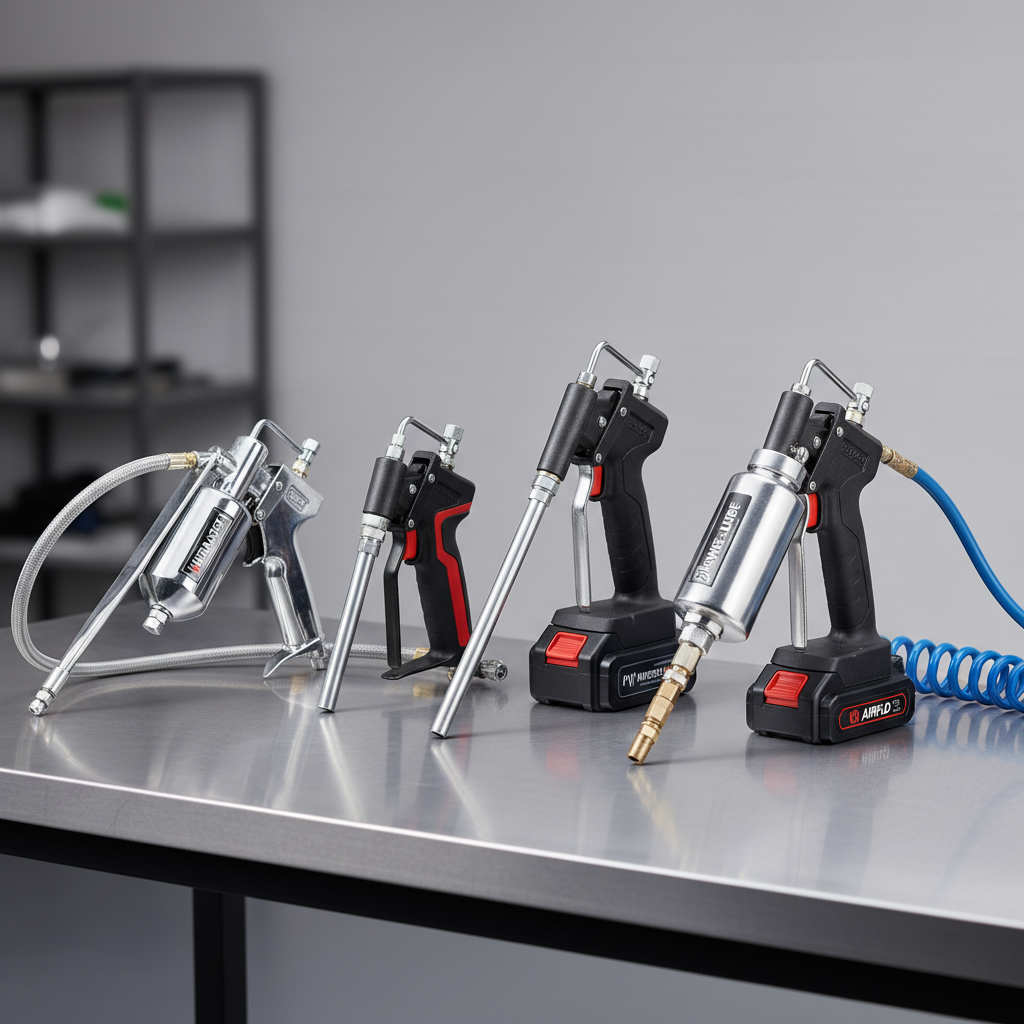
For the best grease gun for automotive use, the type matters as much as the spec sheet. Here’s how the common options usually shake out in a home garage or independent shop.
Manual lever grease guns
Lever guns deliver high pressure and work well on stubborn fittings, but they can be awkward in tight spaces. They’re a solid choice if you grease occasionally and want a simple tool that lasts.
- Pros: strong pressure potential, fewer parts, typically affordable
- Cons: two-hand operation is common, easier to over-grease if you pump fast
Manual pistol-grip grease guns
Pistol grips trade some maximum pressure for one-handed convenience. For automotive suspension points and U-joints, many DIYers find these more “natural” to control.
- Pros: better control, easier undercar access
- Cons: hand fatigue if you have many fittings to hit
Cordless (battery) grease guns
Cordless models excel when you service multiple vehicles, or you grease frequently. The win is speed and consistency, but you still want a trigger with good modulation so you don’t flood a joint.
- Pros: fast, less fatigue, great for repeated jobs
- Cons: cost, battery management, heavier tool
Pneumatic (air-powered) grease guns
If you already run air tools and you do steady volume, pneumatic is efficient. In a small garage without a capable compressor, it’s often overkill.
- Pros: consistent output, easy on hands
- Cons: hose management, compressor dependency
Quick comparison table: picking a “class” of grease gun
This isn’t a brand ranking. It’s the fastest way to decide what category tends to work best for your situation.
| Type | Best for | Control in tight spaces | Mess risk | Typical tradeoff |
|---|---|---|---|---|
| Lever | Stubborn fittings, occasional use | Medium | Medium | Often needs two hands |
| Pistol-grip | DIY + light shop work | High | Low to medium | More pumping effort on some fittings |
| Cordless | Frequent greasing, fleets, speed | High | Medium | Heavier, higher cost |
| Pneumatic | Steady volume in an air-tool shop | Medium | Medium | Compressor + hose required |
Buying checklist: features that matter more than marketing
Specs can be misleading, because automotive work punishes the small details. If you want the best grease gun for automotive use, evaluate these items before you choose.
- Coupler quality: A solid 4-jaw coupler is common, but many techs prefer a higher-grip coupler or a locking style for hard-to-reach zerks.
- Hose length and flexibility: Longer isn’t always better; a stiff hose fights you in wheel wells, while a flexible whip hose helps on angled fittings.
- Bleeder valve: Makes purging air faster after loading a cartridge.
- Variable-speed trigger (cordless): Helps you “feather” grease in rather than dumping it.
- Build and sealing: Leaks around the head or tube threads are where cheap tools quietly waste grease and patience.
- Cartridge loading system: Standard 14 oz cartridges are easiest; bulk fill works but adds mess unless you’re set up for it.
Also, check what fittings you’re dealing with. Some vehicles have tight clearance around zerks, and in those cases a 90-degree coupler or a compact coupler can matter more than the gun itself.
Self-test: which option is right for you?
If you’re torn between pistol, lever, and cordless, answer these quickly and you’ll usually land on a sensible choice without overthinking it.
- How many fittings per month? Under 20: manual is typically fine. Dozens weekly: cordless or pneumatic starts making sense.
- Do you work alone, under jack stands? One-handed control matters, pistol or cordless tends to feel safer and calmer.
- Do fittings fight you? If couplers pop off or fittings seem dry and stubborn, prioritize coupler grip and hose access before chasing higher pressure.
- Do you hate cleanup? Put money into a better coupler, a flexible whip hose, and controllable output, those reduce mess fast.
- Already on a battery platform? A cordless model that matches your batteries can be a practical “shop standard.”
How to grease automotive fittings without making a mess (practical routine)
Even the right tool can feel wrong if the technique is sloppy. This routine works for many chassis and driveline fittings, but always follow the vehicle service guidance when it specifies grease type or interval.
- Wipe the zerk first: A quick clean keeps grit from being pushed into the joint.
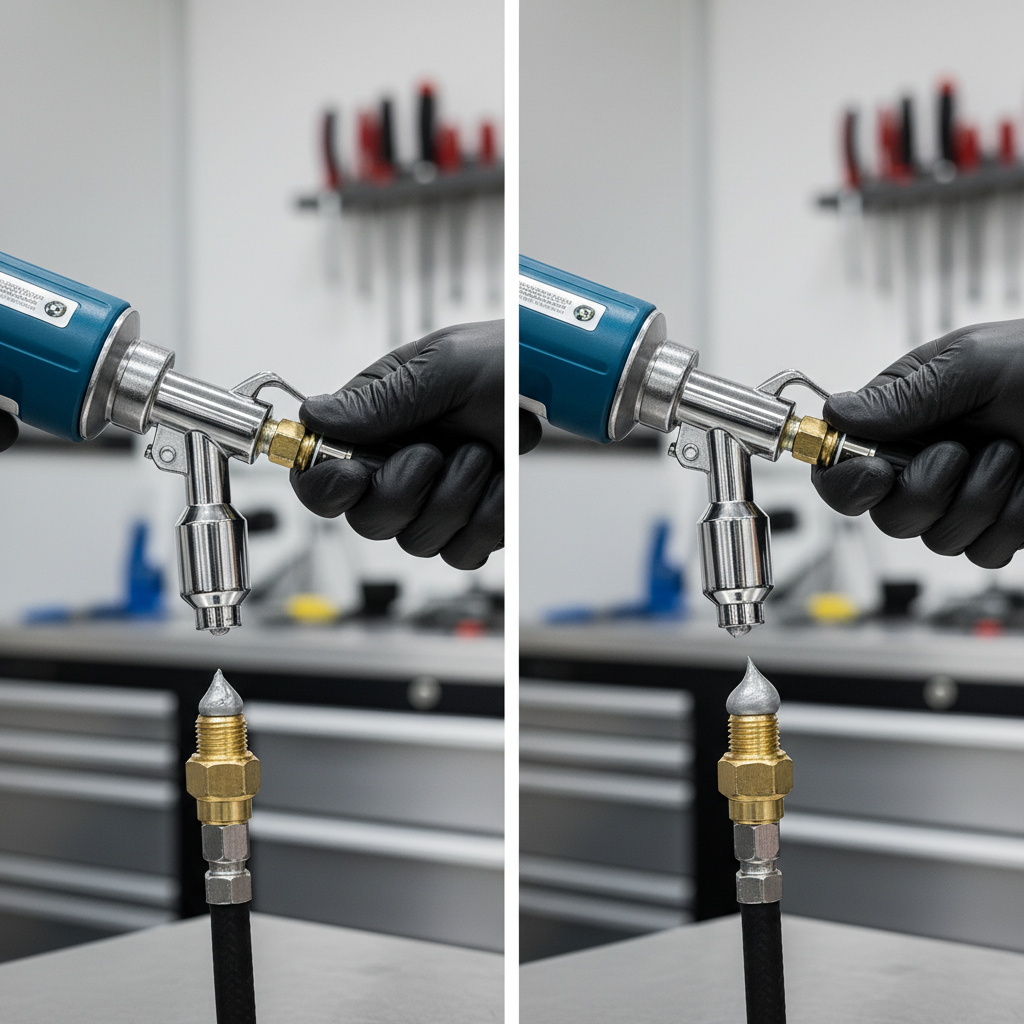
- Seat the coupler straight: Most slip-offs happen because the coupler is slightly cocked.
- Pump slowly: Stop when you see fresh grease at the purge point, or when resistance increases noticeably. For sealed boots, too much pressure can cause damage.
- Release cleanly: If it’s stuck, slightly angle the coupler and relieve tension; avoid yanking, which can bend a zerk.
- Wipe excess: Especially near brakes and rubber components.
According to OSHA, good housekeeping reduces slip hazards in shops, and grease on floors is a classic “small spill, big fall” scenario. Keeping rags handy is boring, but it’s also smart.
Common mistakes that make a good grease gun feel “bad”
A lot of frustration gets blamed on the tool, when it’s really a loading issue, a coupler mismatch, or the wrong expectations for the joint you’re greasing.
- Not bleeding air after loading: If it won’t pump, purge air at the bleeder valve or slightly loosen the head (per the manual) and re-prime.
- Mixing incompatible greases: Some thickener types don’t play well together, which can cause separation or poor performance. If unsure, it’s safer to stay consistent or consult a professional.
- Over-greasing sealed components: Some parts aren’t meant to be “packed” endlessly; excess grease can push past seals.
- Ignoring a damaged zerk: If a fitting is clogged or stripped, more pressure is not a fix.
- Using a stiff hose in a tight bay: You end up side-loading the zerk, then blaming the coupler for popping off.
When to step up to a pro, or at least pause and confirm
If you’re unsure whether a component is serviceable, stop and verify before forcing grease in. Modern vehicles vary a lot, and some joints are sealed for life.
- No grease comes out and pressure spikes fast: The fitting or passage may be blocked, forcing it can cause seal damage.
- Boot swells or deforms: Back off, wipe, and consider asking a technician, you may be overfilling.
- You’re working near brake components: If grease contaminates pads or rotors, braking performance can drop; a shop can advise on cleanup or replacement if needed.
- You’re maintaining warranty-covered vehicles: Following OEM maintenance guidance matters, and a quick check with a dealer service department can prevent headaches.
Key takeaways and a simple recommendation path
If you want one clean decision: for many DIYers, a pistol-grip manual gun with a flexible whip hose and a high-quality coupler is the sweet spot; for frequent work or multiple vehicles, a cordless model with a controllable trigger is usually the time-saver.
- Occasional use: manual pistol-grip or lever, prioritize coupler and hose
- Regular maintenance: cordless if budget allows, keep a spare battery charged
- Mess and frustration fix: upgrade the coupler before replacing the whole gun
If your next step is shopping, write down your top three constraints, access, frequency, and control, then match the grease gun type to that list. You’ll end up with a tool you actually reach for, which is the whole point.
FAQ
- What is the best grease gun for automotive use at home?
For many home garages, a pistol-grip manual grease gun paired with a flexible whip hose offers strong control in tight spaces without the cost and weight of cordless. - Is a cordless grease gun worth it for cars and trucks?
It can be, especially if you grease frequently or maintain multiple vehicles. The biggest benefit is reduced fatigue and faster work, but trigger control matters to avoid over-greasing. - Why does my grease gun coupler keep popping off the zerk?
Usually it’s angle, clearance, or a worn coupler. Try reseating straight, using a whip hose, or upgrading to a locking or higher-grip coupler before blaming the gun. - How do I stop grease from leaking around the head?
Check tube and head threads for grit, confirm the gasket is seated, and avoid cross-threading. If it still seeps, replacement seals or a better-built head assembly may be needed. - How much grease should I pump into a suspension joint?
Often you pump slowly until fresh grease appears at a purge point or resistance increases. If you’re unsure for your vehicle, consult the service manual or a qualified technician. - Can I mix different grease types in one grease gun?
Mixing can cause compatibility issues in some cases. If you don’t know what’s already in the tool, cleaning and reloading with one consistent grease is the safer approach. - What grease gun accessories matter most for automotive work?
A quality coupler, a flexible whip hose, and sometimes a 90-degree fitting adapter make the biggest difference for access and clean application.
If you’re trying to choose quickly and want a more “no-drama” setup, start by upgrading the coupler and adding a whip hose, then decide between pistol-grip and cordless based on how often you grease, that combo solves more real-world frustration than chasing max pressure ratings.