
Safety cutter box opener tools solve a problem most people tolerate until they get nicked: opening cartons fast without exposing a blade or damaging what’s inside.
If you’re opening a few packages a week at home, the wrong tool is mostly annoying, ripped tape, shredded cardboard, scratched products. If you’re in a warehouse, retail backroom, or receiving dock, it becomes a repeat-risk task, and small cuts add up to downtime and frustration.
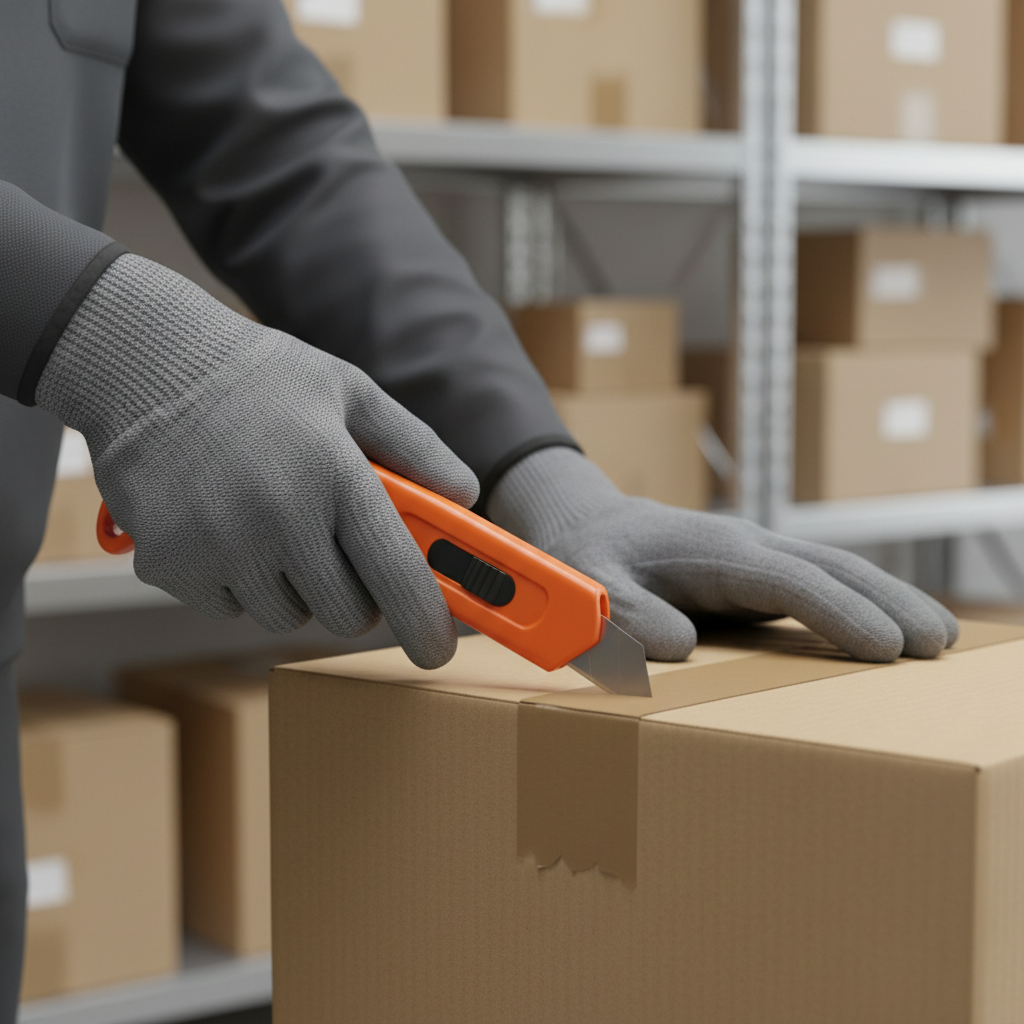
Most buyers also underestimate how much “fit” matters, glove use, left/right-handed handling, and the types of packaging you cut daily. This guide breaks down how these cutters work, how to pick one that matches your workflow, and how to use it without creating new problems.
Why box opening is riskier than it looks
A regular utility knife feels versatile, but it also puts you in charge of blade depth, angle, and pressure every single time. That’s where things typically go sideways, especially when you’re rushing or opening mixed packaging.
- Uncontrolled blade exposure: More exposed edge increases the chance of slips, and it’s not always the person cutting who gets hurt, it can be the next person grabbing the box.
- Product damage: Many cartons have product close to the top seam. Even a shallow cut can catch inner packaging.
- Repetitive motion fatigue: After dozens of cuts, grip strength and attention drop, and “one last box” becomes the box that bites back.
- Tape, straps, and shrink wrap mix-ups: Switching between materials encourages improvising with the wrong tool.
According to OSHA, employers are expected to identify and control workplace hazards, and lacerations from cutting tasks often fall under preventable hand injuries. The exact controls vary, but safer cutting tools are a common administrative and equipment choice.
How a safety cutter box opener works (plain-English version)
A safety cutter box opener is designed to cut tape and carton seams while limiting what the blade can reach. Different models do this in different ways, but the goal stays the same: reduce exposed blade and control cut depth.
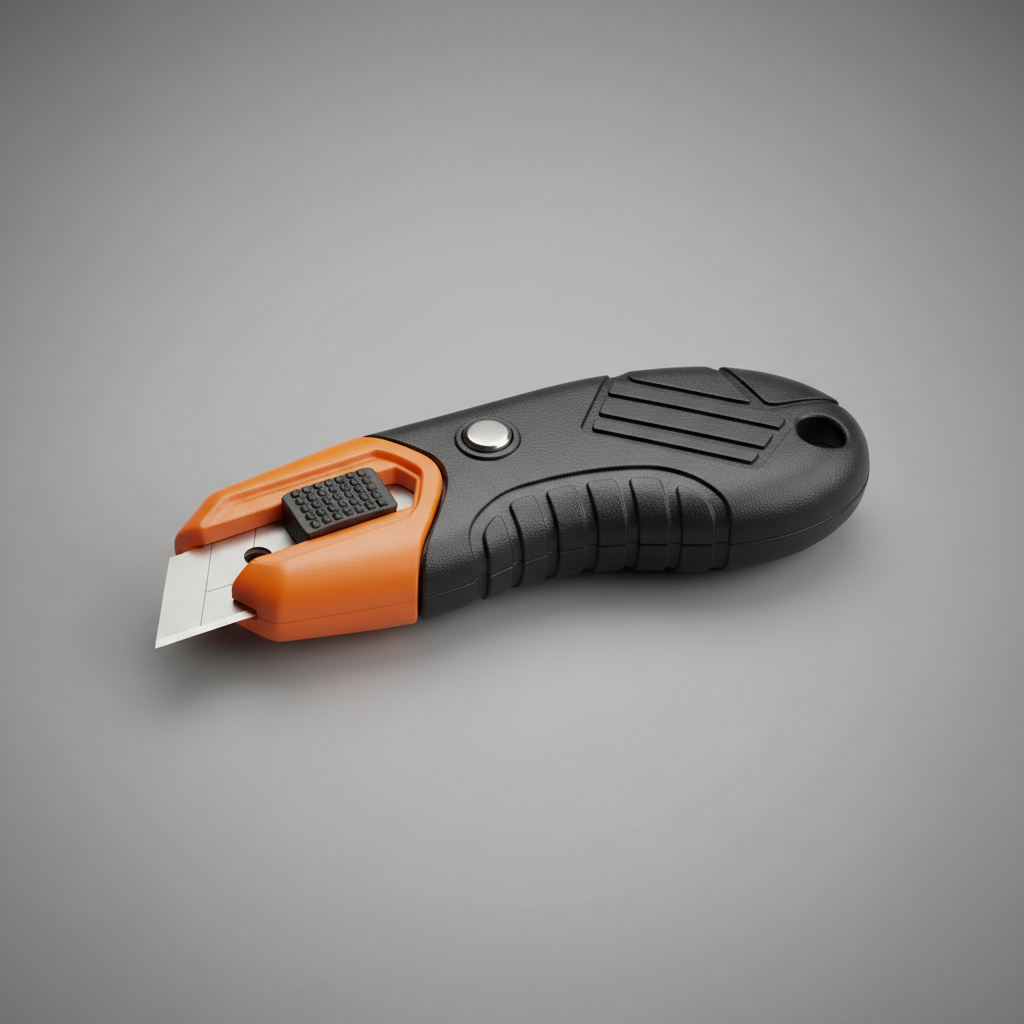
Common mechanisms you’ll run into:
- Concealed blade channel: Tape slides into a slot where the blade sits inside, your fingers never meet the edge.
- Auto-retract: The blade retracts when you release pressure or lose contact with the surface.
- Spring-assisted guarded blade: A guard lifts only when you cut, then returns to cover the edge.
- Ceramic blade options: Often marketed for staying sharp longer and resisting rust, but still needs safe handling and proper disposal.
Not every design is “safer” in every setting. For example, a deep-channel cutter might be excellent for tape seams, but awkward for thick banding or clamshell packaging.
Quick self-check: which cutter style fits your daily packaging?
If you choose based only on price, you usually end up with a tool people “work around,” and that defeats the point. Use this quick checklist to narrow it down.
- You mainly cut tape seams on cartons → look for a concealed-slot opener with a smooth tape guide.
- You open mixed items (tape, shrink, light strapping) → consider a hybrid safety cutter with multiple protected cutting edges.
- You wear gloves most of the day → prioritize a larger handle, textured grip, and an easy trigger/slide.
- You’re left-handed or have a mixed team → choose ambidextrous designs and avoid models with one-sided thumb ramps.
- You deal with very heavy corrugate → check the stated cut depth and whether the nose geometry can track thicker seams.
One more reality check: if your cartons are frequently wet, dusty, or covered in label residue, you’ll want something easy to clean and simple to inspect.
What to look for when buying a safety cutter box opener
Here’s where buyers often get picky in the right way. A safety cutter box opener is a small tool, but the details decide whether it becomes your default or ends up in a drawer.
Key buying factors (the ones that matter in real use)
- Blade exposure and retraction behavior: Auto-retract is helpful when users vary in experience, but it must retract reliably, not “sometimes.”
- Cut depth control: Look for a design that naturally limits how far the edge can go into the carton.
- Ergonomics: A comfortable grip reduces squeezing harder than needed, which is when slips happen.
- Blade change method: Tool-free changes save time, but only if the process still prevents accidental contact.
- Durability vs. disposability: In many operations, disposable models reduce maintenance; in others, reusable bodies with replaceable blades cost less over time.
Comparison table: common safety cutter types
| Type | Best for | Typical trade-off | Who usually likes it |
|---|---|---|---|
| Concealed slot opener | Tape seams, light cartons | Less flexible for thick materials | Retail, e-commerce packing/receiving |
| Auto-retract safety cutter | General carton cutting | May require more consistent technique | Warehouses with varied staffing |
| Guarded fixed blade | Long straight cuts on corrugate | Guard can clog with residue | High-volume receiving lines |
| Ceramic safety cutter | Humid environments, long wear | Can be brittle if dropped | Facilities focused on low-rust tools |
How to use one safely (and get cleaner cuts)
Using a safety cutter box opener isn’t complicated, but the habit that causes trouble is “digging” for the tape line. You want the tool to glide, not pry.

Simple steps that reduce slips
- Start at a corner: Corners usually give the tape edge a clean entry point.
- Keep a shallow angle: Let the guide or slot do the work, steep angles invite the tip to jump.
- Use steady pull, not force: If you’re forcing it, the blade may be dull or the tool type mismatched.
- Cut away from your body: Even with guarded designs, this remains a good habit.
- Pause on staples or heavy straps: Switch tools if needed, don’t “make it work.”
Quick key points (printable mindset)
- If it snags twice, inspect the blade, don’t keep pulling.
- If product sits near the seam, use a depth-limited design and avoid plunge cuts.
- If multiple people share tools, choose models that are intuitive, not “expert-friendly.”
Maintenance, blade changes, and disposal
Many safety incidents happen during blade changes, not cutting. The safest tool becomes risky if the blade swap is awkward or if used blades end up loose in a trash bag.
Practical maintenance habits
- Set a blade-change trigger: For example, when cuts start tearing tape instead of slicing cleanly.
- Keep the cutter clean: Tape adhesive buildup can change how guards retract or how a slot guides the seam.
- Use a sharps container: If your workplace has one, use it. At home, a rigid puncture-resistant container with a secure lid is often safer than open trash, but local disposal rules vary.
According to CDC/NIOSH, sharps safety and proper disposal reduce injury risk in workplaces, and while box-cutter blades aren’t medical sharps, the same “don’t leave exposed blades where hands go” logic applies.
Common mistakes that make a “safe” cutter less safe
Some issues are tool-related, others are people and process. It’s worth calling out the patterns because they show up in both home use and professional settings.
- Using the wrong tool on thick strapping: Many safety cutters are made for tape, not banding.
- Cutting toward your palm while stabilizing the box: This happens when the box shifts and you chase the seam.
- Ignoring glove compatibility: A slick handle plus dusty gloves can cancel out the safety design.
- “Dull is safer” thinking: Dull blades can require more force, and higher force often means less control.
- Loose storage: Tossing cutters into bins invites accidental grabs on exposed parts.
When you should ask for safety or procurement input
If you’re buying for a team, it’s rarely just a personal preference question. You’re balancing training, compliance, and supply consistency.
- Recurring hand cuts or near-misses: Your safety lead may want incident context before standardizing a model.
- Special packaging: Heavy corrugate, strapping, or high-value products might justify specific cutter types and procedures.
- Regulated environments: Food, pharma, or clean operations may require materials and cleaning protocols that affect tool choice.
This article is general guidance, and in workplaces, the right answer often depends on your hazard assessment and internal policies. If you’re unsure, consult a qualified safety professional.
Conclusion: choosing the cutter that people will actually use
A safety cutter box opener works best when it fits the real job: the packaging you see every day, the gloves you wear, and the pace you work at. Pick a design that controls blade exposure and depth by default, then reinforce it with small habits like shallow-angle cutting, clean storage, and timely blade swaps.
If you’re deciding today, do two things: match the cutter type to your top two packaging materials, and test grip comfort with the gloves you actually use. Those two checks prevent most buyer’s remorse.
FAQ
What is a safety cutter box opener used for?
It’s mainly used to open taped cartons and packages while reducing exposed blade contact, which can lower the chance of cuts and product damage in many situations.
Are safety cutters better than utility knives for opening boxes?
Often, yes, for routine carton opening, because they limit blade exposure and can control cut depth. Utility knives still make sense for some tasks, but they demand more consistent technique.
Will a safety box opener cut through heavy-duty corrugated cardboard?
Some models handle thicker corrugate well, others struggle. Look at the cutter’s intended material range and consider a guarded cutter designed for deeper seams if heavy cartons are common.
Do ceramic blades make a safer box cutter?
Ceramic can stay sharp longer and resist rust, which helps consistency, but it doesn’t remove the need for safe handling. Blade design and guarding usually matter more than blade material alone.
How often should I replace blades in a safety cutter?
There isn’t one schedule that fits everyone. Replace when cuts start tearing tape, requiring extra force, or when the tool begins snagging, those are practical signs your control is dropping.
Can I use a safety cutter for plastic strapping or clamshell packaging?
Sometimes, but not always. Many concealed-slot openers are tape-focused, and forcing them on strapping can create awkward angles. A dedicated strap cutter may be a better fit.
What’s the safest way to dispose of used box-cutter blades?
Use an approved sharps container if available. Otherwise, a rigid puncture-resistant container with a secure lid is commonly used for interim storage, but disposal rules vary by location, so check local guidance if you’re unsure.
If you’re trying to standardize tools across a team or you’re tired of buying cutters that no one sticks with, it may help to shortlist two safety cutter box opener styles and run a short hands-on trial, the “right” model is usually the one that feels natural in the actual workflow.