
The best staple gun for upholstery 2026 depends less on hype and more on what you staple all day: thick fabrics on hardwood frames, light dust covers, automotive panels, or quick home fixes.
If you pick the wrong style, you usually feel it fast, jam after jam, crushed staples, sore hands, and that annoying moment when the fabric looks tight until you sit down and everything ripples.
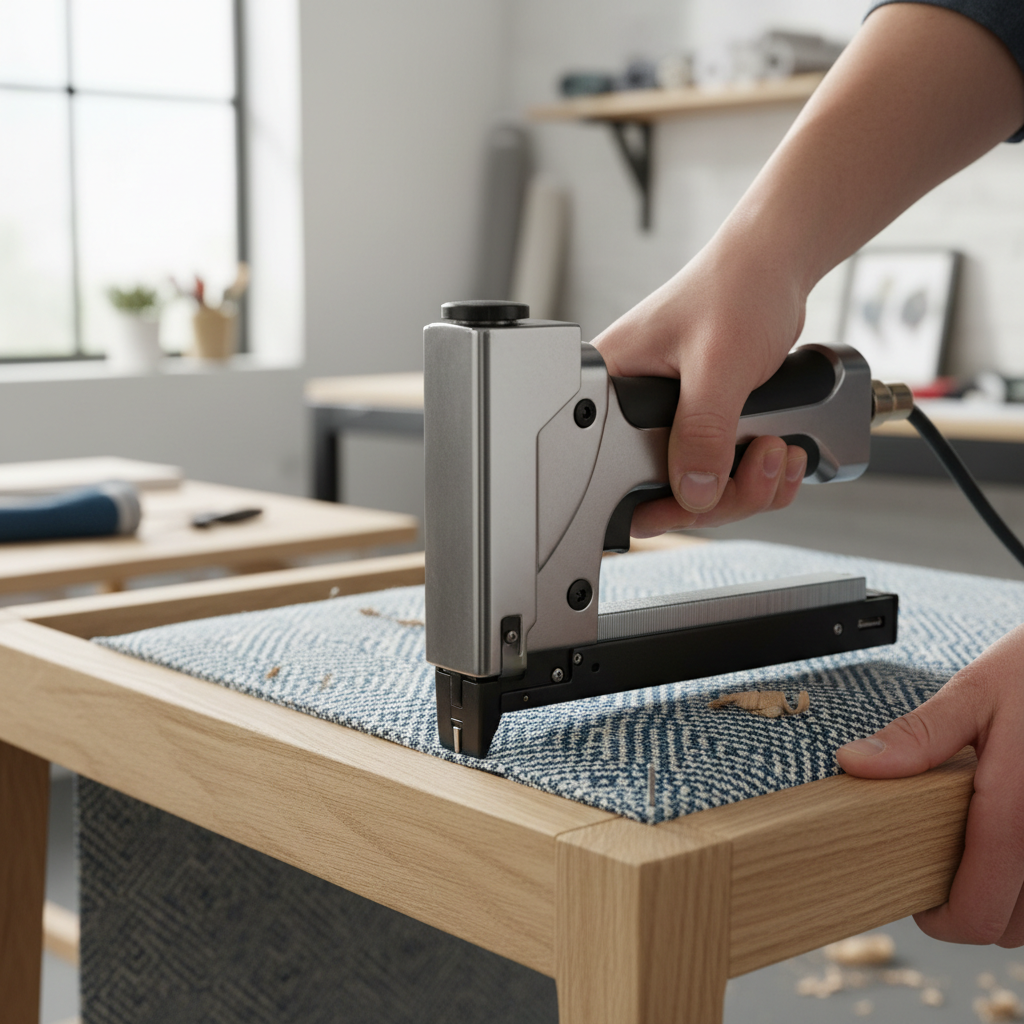
This guide focuses on real-world fit: which power source makes sense, what staple sizes matter, and how to avoid buying a “strong” stapler that still leaves you with uneven results. You will also get a simple decision table, a quick self-check list, and setup tips that reduce jams.
What “best” means for upholstery work in 2026
In upholstery, “best” usually means consistent drive depth, low jamming, and ergonomics you can tolerate for an hour or for a whole shift. A tool that shoots hard but lacks control can be a headache on delicate trim or thin webbing.
- Drive consistency: staples sit flush without tearing fabric, even near edges or into hardwood.
- Staple compatibility: common upholstery staples (often 3/8 in to 1/2 in leg) feed cleanly and stay available locally.
- Comfort and control: trigger feel, weight balance, and nose visibility matter more than marketing specs.
- Serviceability: easy jam clearing, readily available parts, and a brand with decent support.
According to OSHA, tools that fire fast can increase injury risk without proper training and protective equipment, so “best” also includes safety features you will actually use, like a reliable contact tip and predictable trigger behavior.
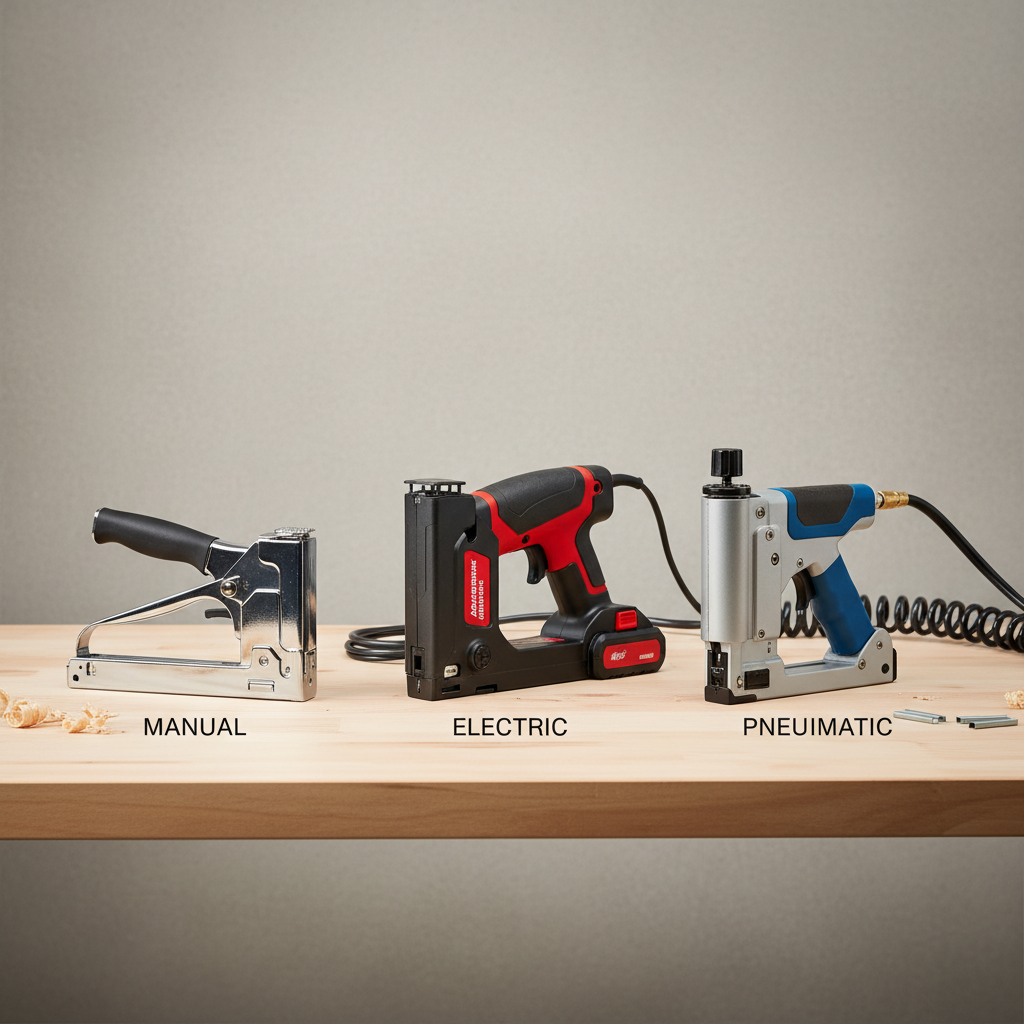
Types of staple guns: manual vs electric vs pneumatic
You can do upholstery with any of the three, but each type has a natural lane. The mistake I see most often is buying a manual stapler for a job that really wants air power, then blaming “bad staples.”
Manual staple guns
Manual works for light-duty tasks: dust covers, thin batting, simple dining chair seats. If you are driving staples into hardwood frames or doing multiple pieces, your hands usually call it before the job ends.
- Pros: low cost, portable, no compressor
- Cons: more misfires on dense wood, fatigue, inconsistent depth
Electric staple guns
Electric sits in the middle. It is often enough for hobby upholstery and occasional projects, especially if you want fewer under-driven staples without setting up a compressor.
- Pros: easier than manual, decent consistency, simple setup
- Cons: heavier, can be slow, some models struggle on hardwood
Pneumatic staple guns (air-powered)
If you care about speed and repeatable results, pneumatic is usually the answer. In many shops, it is the default for a reason: you set air pressure, then you get the same staple depth all day.
- Pros: strong drive, fast, consistent, less fatigue
- Cons: needs compressor/hoses, more setup, noise
Quick decision table: match the tool to your projects
Use this as a starting point, then confirm staple type and leg length requirements for your specific frame material and fabric stack.
| Use case | Recommended type | Why it tends to work | Staple leg length (common range) |
|---|---|---|---|
| Occasional chair seats, light fabric | Electric or manual | Less setup, enough drive for softwood | 1/4–3/8 in |
| Sofas, thick fabric + batting | Pneumatic | Consistent depth across thicker stacks | 3/8–1/2 in |
| Hardwood frames, high volume | Pneumatic | Power reserve and less hand strain | 1/2 in (sometimes longer) |
| Automotive upholstery (varies) | Pneumatic (often) or electric | Better control and speed, depending on substrate | 1/4–3/8 in |
Key features that actually matter (and what to ignore)
Specs can be noisy. For upholstery, a few features pull most of the weight, everything else is nice-to-have.
Staple type and availability
Before you fall in love with a tool, confirm the staple series it uses, then check if you can buy those staples easily. Running out mid-project and “making it work” with the wrong crown width is how bending and jamming starts.
- Crown width: upholstery often uses narrow crown for cleaner concealment, but match your application.
- Leg length range: the gun should handle the lengths you actually need, not just one size.
Depth control and nose design
Depth adjustment helps when you move from softwood rails to harder corners. A slim nose with good visibility makes it easier to staple close to a welt, trim edge, or tack strip without guessing.
Jam clearing that does not require tools
Upholstery work is stop-and-go. Tool-free jam access saves time and prevents the classic move where someone pries a jam with a screwdriver and scars the driver blade.
Trigger behavior and safety
Some staplers offer sequential firing vs contact firing. Sequential tends to be more controlled for upholstery. According to OSHA, nailers and staplers can cause serious hand injuries, so eye protection and keeping hands clear of the line of fire is not optional, and if you are unsure about safe use, it is smart to ask a pro or your shop lead.
Self-check: which staple gun category fits you?
If you want a fast answer, use this checklist. Your “yes” count pushes you toward air power.
- I staple into hardwood or mixed hardwood/plywood frames often.
- I do more than one piece per month, or I am redoing an entire room set.
- I care about staples sitting flush with fewer touch-ups.
- My hands fatigue quickly with manual squeezing.
- I already own a compressor, or I do not mind buying one.
If most of these feel true, the best staple gun for upholstery 2026 for you is usually pneumatic, assuming you can handle the setup and noise. If you are mostly doing occasional dining chair seats, electric may feel like the sweet spot.
Practical setup tips for cleaner staples and fewer jams
You can buy a great tool and still get ugly results if setup is sloppy. These small habits usually make the difference.
Dial in pressure, do not just “max it out”
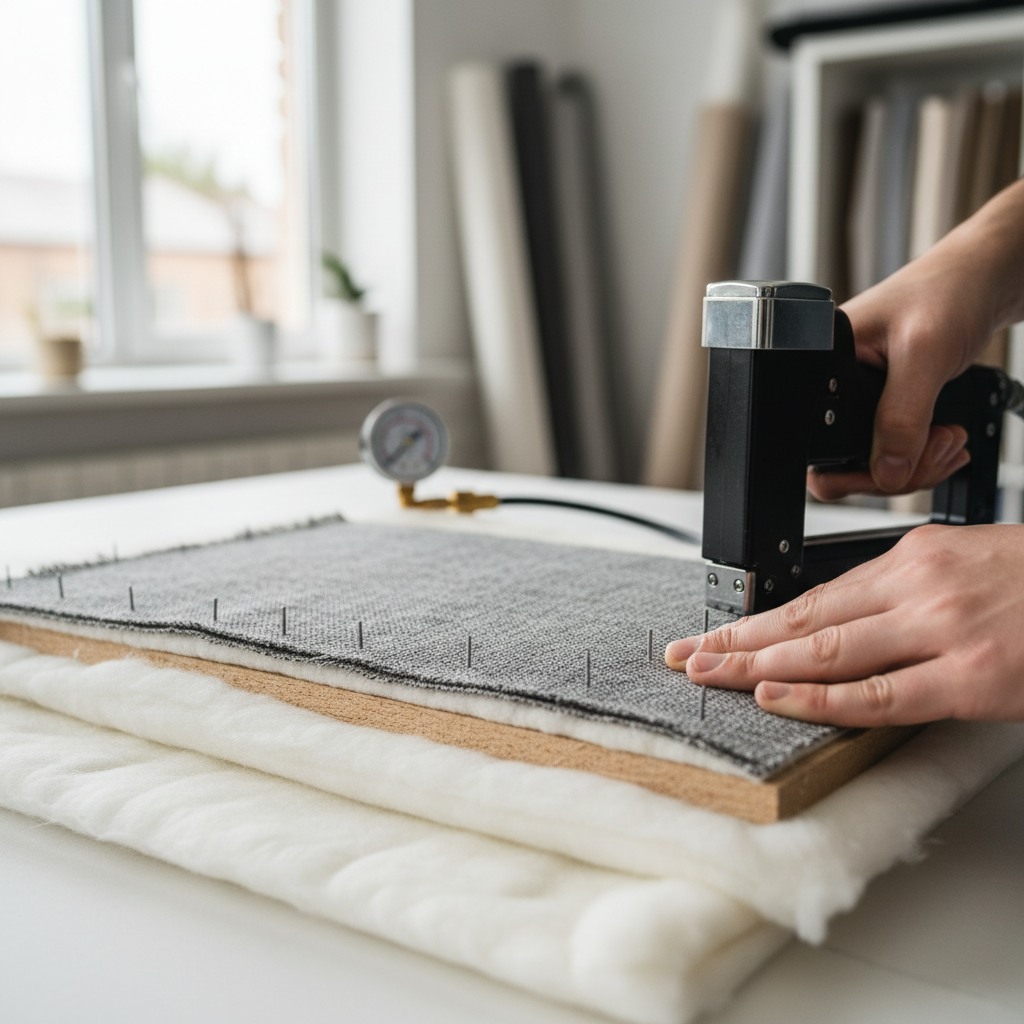
With pneumatic staplers, start around the manufacturer’s recommended PSI range, then test on scrap that matches your real stack: fabric + batting + webbing. Too much pressure can drive staples past flush, cut fibers, or blow out the edge on softer frames.
Match staple length to the stack
A common upholstery mistake is going too long “for strength.” Long legs can curl when they hit dense grain, or they can poke through the other side of thin rails. When in doubt, test two lengths and pull-test the fabric edge.
Keep staples and magazine clean
Humidity and dust cause misfeeds. Store staples sealed, and occasionally wipe the magazine track. If you use pneumatic tools, a little routine maintenance often helps, but follow your manual, oil requirements vary by model and some are oil-free.
Common mistakes buyers make in 2026
Most “bad staple gun” complaints come down to mismatch. The tool is fine, the expectations are not.
- Buying for power only: upholstery needs control, not just force.
- Ignoring staple ecosystem: odd staple series can be hard to source locally, delays happen fast.
- Underestimating compressor size: small compressors can work, but recovery time and noise may frustrate you.
- Skipping test shots: one minute of scrap testing prevents a lot of fabric damage.
- Stapling too close to edges: frames can split, especially older dry wood.
If you want one simple buying rule, pick reliability and staple availability over marginal feature upgrades. That is usually what keeps projects moving.
So what is the best staple gun for upholstery 2026?
The most practical answer: the best staple gun for upholstery 2026 is the one that matches your volume and materials, and reliably runs staples you can buy without hunting. For many serious DIYers and most upholstery shops, that typically points to a pneumatic upholstery stapler with easy jam access, clear nose visibility, and a staple series you can source at common retailers.
If your projects are occasional and you do not want compressor setup, a quality electric stapler is often the more pleasant day-to-day choice, even if it is slower.
Action steps: how to choose in 10 minutes
- Write down your top 2 projects, include frame wood type and fabric thickness.
- Pick power source based on volume: manual for light, electric for moderate, pneumatic for frequent or hardwood.
- Confirm staple series and leg length range, then check local availability.
- Look for tool-free jam clearing and depth adjustment you can reach easily.
- Plan safety basics: eye protection, keep hands clear, and if you are new to pneumatic tools, ask a knowledgeable person for a quick walkthrough.
If you do those steps, you will usually end up with a staple gun that feels boring in the best way: it just works, and your fabric stays tight.