
Multimeter test lead set choices look simple until your readings drift, the tips won’t fit a terminal, or the insulation feels sketchy around mains voltage. The good news is you don’t need to be an electrical engineer to pick a set that’s safe, accurate enough for your work, and compatible with your meter.
Most people shop by price, then realize the “included leads” are stiff, short, or wear fast, which is annoying on low-voltage electronics and potentially risky on higher-energy circuits. Leads are the only part you physically touch while probing, so quality matters more than it gets credit for.
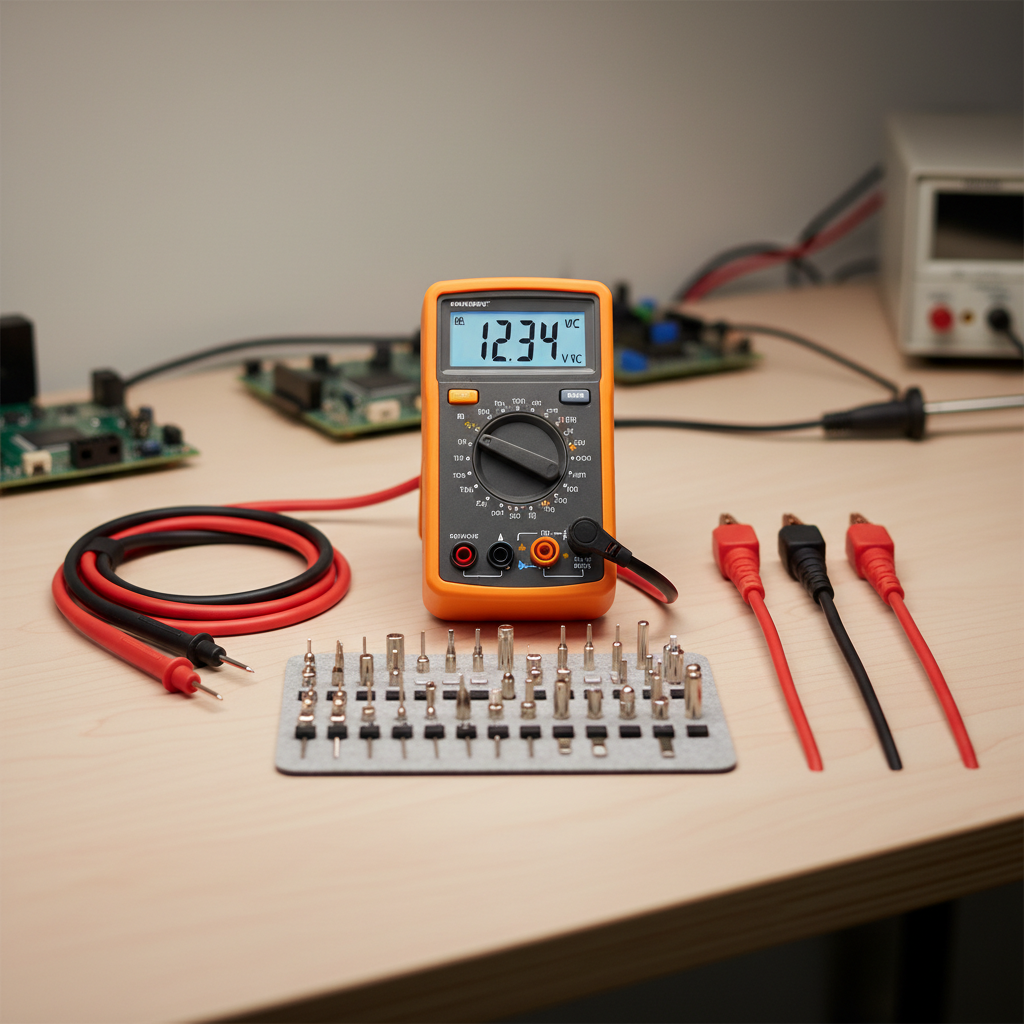
Below is how I’d evaluate leads in the real world: where failures happen, what specs actually mean, and how to match a lead kit to the kind of measurements you do most, from hobby boards to service panels.
What a test lead set really does (and why it fails in practice)
A lead set is more than two wires with pointy ends. It’s a system: cable, strain relief, shrouded connectors, probe bodies, tip geometry, and often removable accessories. When one part is weak, the whole measurement gets flaky.
- Unstable readings: usually from worn probe tips, broken strands near the strain relief, or oxidized banana plugs.
- Intermittent continuity: a classic internal wire break that only shows up when the cable is flexed.
- Safety margin erosion: cracked insulation, missing finger guards, or unshrouded metal that increases slip risk.
- Fit issues: tips too blunt for back-probing, plugs incompatible with recessed jacks, or accessories that don’t lock well.
According to OSHA, using appropriate test instruments and accessories for the environment is part of safe electrical work practice, and damaged cords/leads are a known hazard category to address before use. That’s the boring line that becomes very real the first time a probe slips.
Key specs that matter: CAT rating, voltage, and insulation
If you ever measure anything connected to building wiring, don’t treat category ratings like marketing. CAT ratings describe the transient energy environment where the tool is intended to survive. The lead set must match the job, and ideally match or exceed the meter’s rating.
Quick CAT rating guidance (practical, not academic)
- CAT II: electronics, appliances, receptacle-level loads. Often OK for bench work, not ideal for panels.
- CAT III: distribution inside a building, fixed equipment, breaker panels.
- CAT IV: service entrance, outdoor conductors, utility-level connections.
According to IEC (International Electrotechnical Commission) measurement standards used by many manufacturers, CAT ratings relate to the overvoltage impulses expected in different parts of an electrical installation. In plain terms: a “bigger” environment can throw nastier spikes at your leads.
Also look for:
- Shrouded banana plugs (reduced exposed metal at the meter end).
- Finger guards on probe bodies (helps prevent sliding onto the metal tip).
- Flexible, intact insulation with clear strain relief (PVC is common; silicone stays flexible in cold and coils nicer).
Compatibility: banana plugs, probe tips, and “will this fit my meter?”
Most DMMs in the US use 4 mm banana jacks, but the details matter. Some meters have recessed inputs that prefer fully shrouded plugs. Some lead kits advertise “universal,” yet the plug shoulder is too wide or the shroud too long.
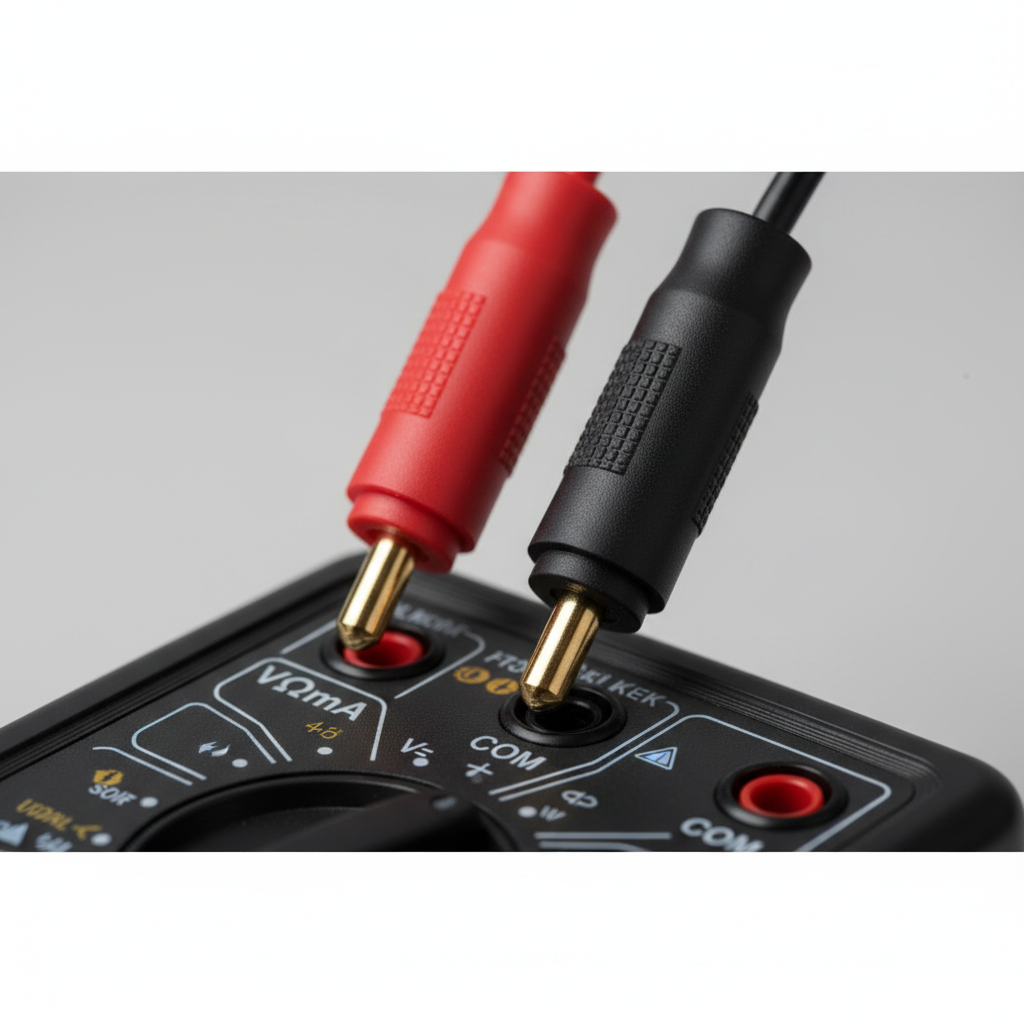
Before you buy, sanity-check these points:
- Meter-side connector: 4 mm shrouded banana is the safest default for modern meters.
- Probe tip system: fixed tip vs removable tip. Removable tips enable accessories but can loosen over time on cheap sets.
- Length and stiffness: on a bench, softer silicone is a quality-of-life upgrade; in a tool bag, tougher jackets may last longer.
How to choose by use case (bench electronics vs field electrical)
This is where buying gets easier: decide what you actually touch day to day.
Bench electronics and DIY (low voltage, tight pitch)
- Fine, sharp tips for small pads and headers.
- Silicone leads for flexibility and easy coiling.
- Accessories: mini grabbers or hook clips are often more useful than alligator clips on tiny parts.
Automotive (12–48V systems, higher current paths)
- Rugged strain relief, because leads get yanked.
- Alligator clips that bite well on chassis grounds.
- Fuse-safe habits: leads won’t prevent blowing the meter fuse, but stable tips reduce accidental shorts.
Residential/commercial electrical (mains, panels, motors)
- CAT III/CAT IV lead sets from reputable brands, with clear markings on the cable and probe bodies.
- Longer leads and probe bodies with solid finger guards.
- Tip covers or retractable tips to reduce exposed metal when probing crowded terminals.
If you’re unsure which category applies, it’s usually safer to step up in rating rather than “make do,” and for higher-energy environments it may be wise to consult a qualified electrician or follow your workplace safety program.
Comparison table: what to look for in a multimeter test lead set
Use this table as a quick filter. You don’t need every feature, you just want the ones that match your work and risk level.
| Feature | Why it matters | Best for | Watch out for |
|---|---|---|---|
| CAT rating (II/III/IV) | Safety margin vs transients | Mains/panels need higher CAT | Vague labels, no markings on cable |
| Shrouded banana plugs | Less exposed metal at meter end | Most modern DMMs | Shoulder doesn’t fit recessed jacks |
| Silicone cable | Flexible, cold-resistant | Bench, electronics, frequent coiling | Can nick if dragged on sharp edges |
| Removable tips | Swap to hooks, clips, back-probes | Versatile troubleshooting | Loose threads, wobble over time |
| Tip geometry (fine vs blunt) | Contact quality and access | Fine tips for PCB, blunt for lugs | Too sharp can slip/scratch insulation |
Quick self-check: do you actually need a new set?
Before buying, do a 2-minute check. Many “bad meters” are just tired leads.
- Wiggle test: set to continuity, flex the cable near both ends. Any dropouts suggest internal strand breaks.
- Tip inspection: if the tip looks pitted, dull, or bent, contact resistance rises and readings can wander.
- Insulation check: look for nicks, shiny wear spots, or cracking near strain relief.
- Plug fit: if the banana plug feels loose in the meter, you may get intermittent readings under movement.
According to NIST, good measurement practice focuses on controlling sources of error and uncertainty. In everyday troubleshooting terms, eliminating a flaky lead removes one of the easiest-to-miss error sources.
Practical setup tips (so your readings stay stable and your hands stay safe)
Even a great multimeter test lead set can feel “bad” if it’s used in a way that fights physics or invites slips.
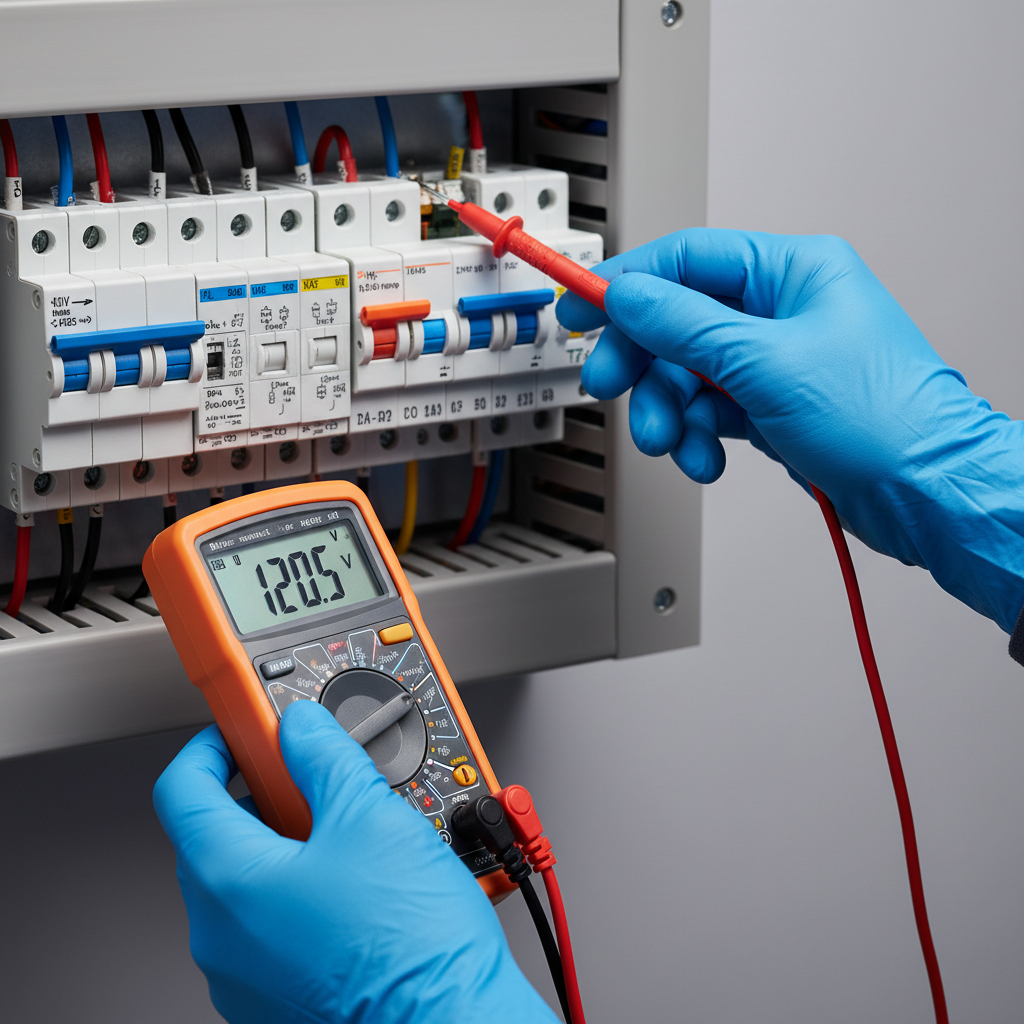
- Use clips when you can: alligator clips or hook clips reduce the “one hand slips, two terminals touch” moment.
- Match tips to the target: fine tips for tight spaces, covered or blunt tips for crowded mains terminals.
- Keep your fingers behind the guards: it sounds obvious, but it’s also what guards are designed for.
- Don’t mix voltage environments casually: a lead set you trust on a PCB might be the wrong choice in a panel.
- Store without tight kinks: sharp bends near the probe body are where internal breaks start.
If you’re working around mains voltage and feel uncertain about procedure, lockout/tagout policies and qualified-person practices may apply. When in doubt, it’s smart to ask a licensed electrician or follow your employer’s safety guidance.
Key takeaways (the short list you can shop with)
- Buy for the environment: CAT rating and build quality matter more than “number of accessories.”
- Confirm fit: shrouded banana plugs and tip systems should match your meter and your work style.
- Stability is a feature: flexible cable, solid strain relief, and good tips reduce intermittent readings.
- Retire damaged leads early: it’s not just accuracy, it’s also safety around higher energy circuits.
Conclusion: picking the right lead set without overthinking it
A good lead kit is the one that matches your measurement reality: fine tips and flexibility for electronics, tougher construction and higher category rating for mains work, and accessories that help you keep steady contact. If you do one thing today, inspect your current leads with a continuity wiggle test and a close look at tips and insulation, it often tells you whether an upgrade is overdue.
If you’re shopping next, write down your top two scenarios, bench or field, low-voltage or mains, then choose a set that fits your meter and meets an appropriate CAT rating. That small bit of clarity keeps you from buying twice.
FAQ
What is included in a typical multimeter test lead set?
Usually you get two leads with banana plugs and probe tips. Many kits add alligator clips, hook clips, spare tips, and tip covers, but what’s “typical” varies a lot by brand and price tier.
Do test leads affect multimeter accuracy?
They can, especially in resistance and low-voltage measurements. Worn tips and internal strand damage add contact resistance and intermittency, which may look like unstable readings rather than an obvious failure.
Are silicone test leads worth it?
For bench work, many people find silicone worth paying for because it stays flexible and doesn’t fight you while probing. In rough field conditions, a tougher jacket may last longer depending on how the leads get handled.
Can I use any leads with any digital multimeter?
Often yes if both use standard 4 mm banana connectors, but recessed jacks and shrouded plug designs can create compatibility issues. It’s worth checking photos and dimensions if your meter inputs are deeply recessed.
What CAT rating should my leads be?
Match the environment you measure in, and avoid using lower-rated leads for higher-energy work. If you measure in panels or fixed installations, many situations call for CAT III or higher, and if you’re unsure it’s reasonable to consult a qualified professional.
How do I know when to replace test leads?
If continuity drops when you flex the cable, the insulation is nicked or cracking, or the tips are badly worn, replacement is usually the sensible move. It’s cheaper than chasing phantom problems, and safer around higher voltage circuits.
Are cheap lead kits unsafe?
Not automatically, but the risk tends to come from unclear ratings, poor strain relief, thin insulation, and inconsistent build quality. For mains work, it’s prudent to stick with clearly marked, reputable CAT-rated accessories.
If you’re trying to build a more dependable setup, a good next step is listing the measurements you do most and buying a lead set that matches that scenario, plus one or two accessories you’ll actually use, like hook clips for steady contact or tip covers for tighter electrical spaces.