
spade bit set quick drill is a practical combo when you need large holes fast, like running wire, drilling stud bays, or punching through decking without babying the tool. The problem is most “quick” setups still end up with tear-out, wandering starts, and bits that bind the moment you lean in.
This guide breaks down what actually makes a quick-change spade set work well, when it’s the right choice versus hole saws or auger bits, and how to drill large holes cleanly without cooking your drill or wrecking the workpiece. If you’re buying a set, you’ll also get a simple checklist so you don’t overpay for features that don’t matter on the job.
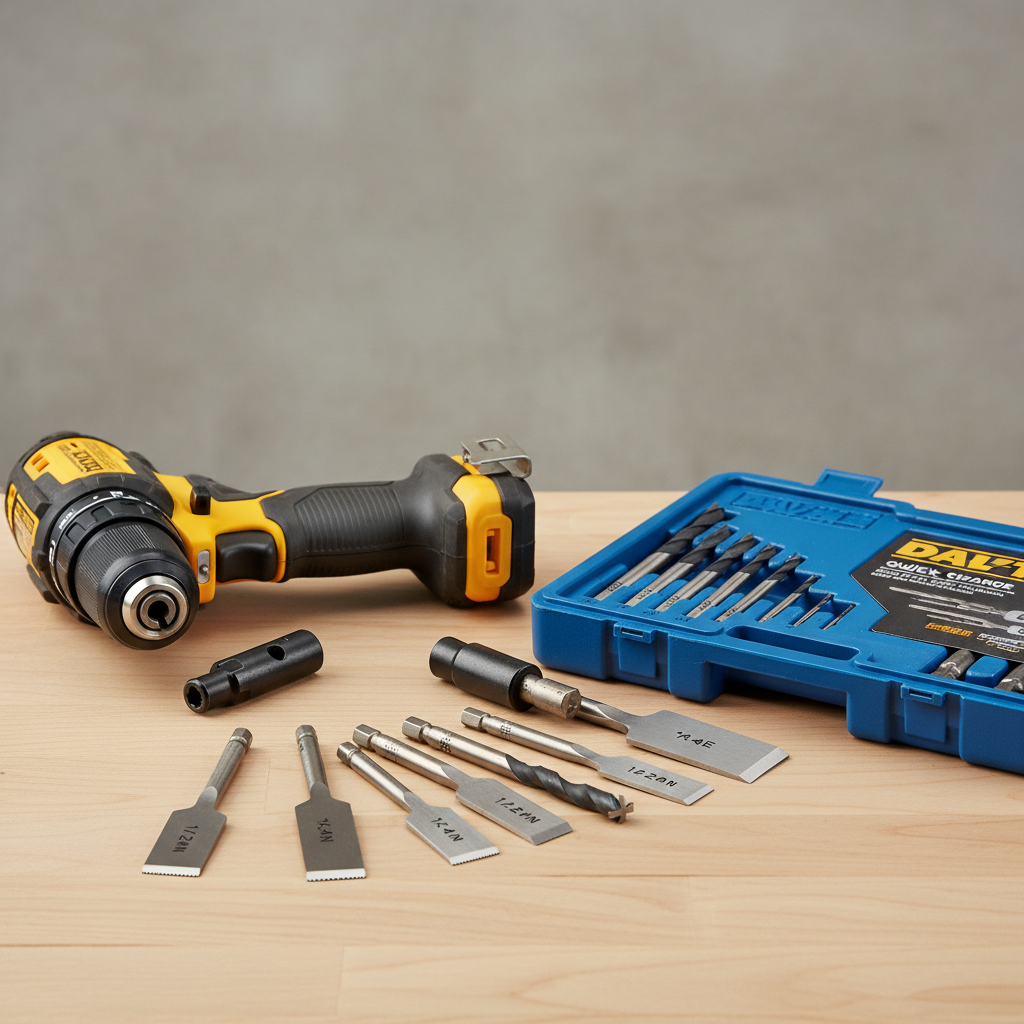
One quick heads-up, “quick drill” can mean different things: quick-change hex shanks, self-feeding tips, or just a bit geometry that removes chips faster. In real use, speed comes from the whole setup, bit design, drill torque, and how you start the hole.
What “quick drill” really means for a spade bit set
For most U.S. buyers, “quick” points to a 1/4-inch hex shank that snaps into an impact driver or drill driver without a chuck key. That convenience is real, but it doesn’t guarantee clean holes.
- Quick-change shank: faster swaps, less downtime when you jump between sizes.
- Cutting geometry: spur edges and a defined center point usually start cleaner and reduce blowout.
- Chip evacuation: big flat bits can clog, a good design clears chips so you can keep moving.
According to OSHA, safe tool use depends on matching the accessory to the tool and using proper guarding and PPE where needed. That matters here because large-diameter spade bits can grab suddenly, especially in knots or layered materials.
Why large holes go wrong (and why it’s usually not the drill’s fault)
If your holes look torn, smoky, or off-center, it’s usually one of these jobsite realities rather than a “bad drill.”
- Wrong speed for the diameter: bigger bits like slower RPM, higher torque, steady feed.
- Starting on a slick surface: spade bits can skate on hardwood, melamine, or painted surfaces.
- Breaking through too aggressively: the exit side blows out when the tip punches through and the wings rip fibers.
- Chip packing: heat builds, resin smears, and you feel binding.
- Using an impact driver for everything: some impacts do fine with small to mid sizes, but large holes often want a drill with a side handle.
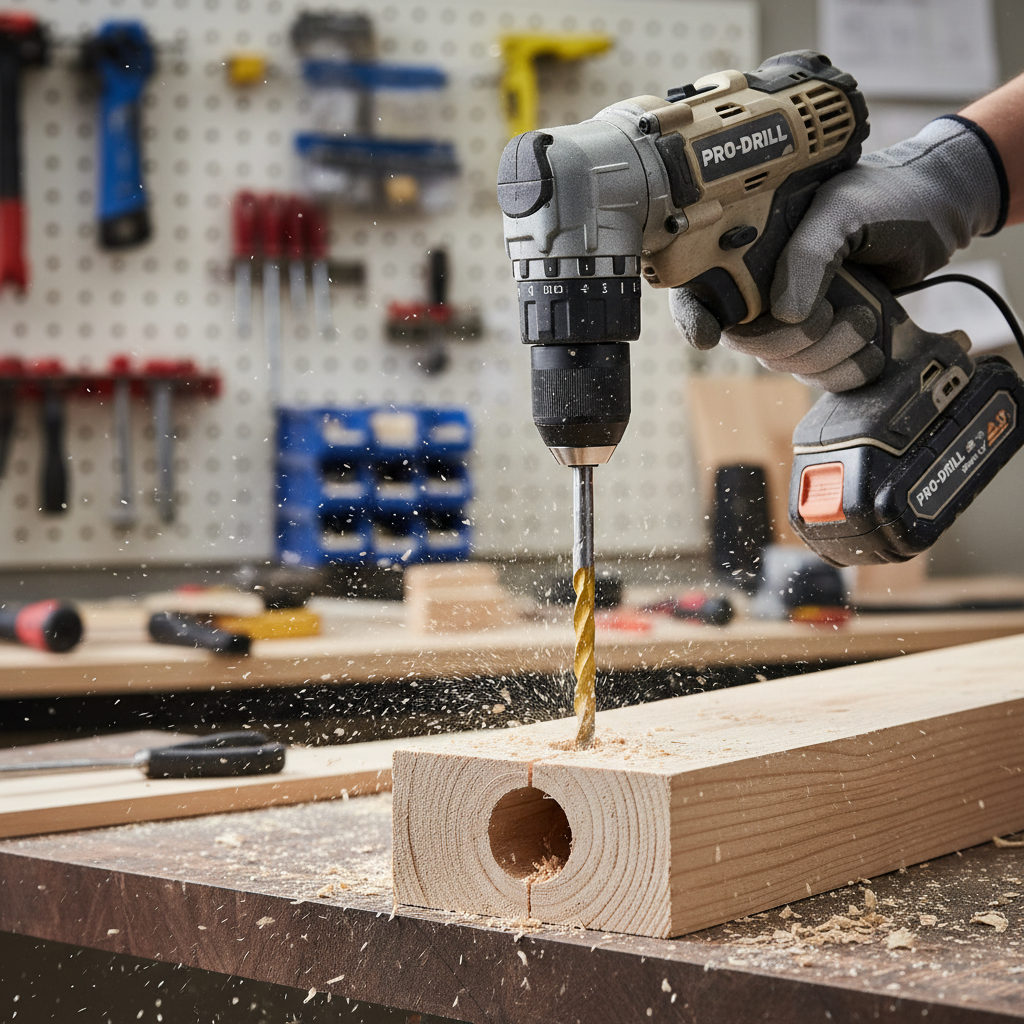
There’s also a “hidden” factor: how straight you hold the tool. A slight angle makes one wing cut deeper, the bit starts pulling sideways, and suddenly the hole ovalizes or the bit jams.
Fast self-check: Is a spade bit set the right tool for your large hole?
Use this quick check before you commit to a spade bit set quick drill for the job. It saves frustration and broken bits.
- Material: softwood studs, plywood, OSB, and many decking boards tend to be spade-bit friendly.
- Thickness: typical framing thickness is fine, very thick timber may be better with an auger bit.
- Hole quality needs: if the hole is hidden behind a cover plate, spade bits are usually fine; if it’s visible furniture work, consider Forstner bits.
- Hole size range: spade sets commonly cover about 1/4" to 1-1/2" (varies by set).
- Tool power: a drill with a clutch and side handle helps with larger diameters.
If you need a perfectly round, clean edge in finished wood, you can still use spade bits, but you’ll work slower and you’ll want a backer board.
Choosing the right spade bit set: features that matter vs. marketing
Not every set is built the same, and you can often tell from a few details. Here’s what tends to matter in daily use.
- Spurs (outer scoring edges): helps slice fibers before the wings remove material, cleaner entry and exit in many cases.
- Center point: longer point starts easier, but can be more fragile if you hit nails or hardware.
- Hex shank length and fit: short hex can wobble in some chucks, a deeper hex engagement feels steadier.
- Markings: laser-etched sizes stay readable longer than painted marks.
- Case design: sounds boring, but a case that actually holds bits tight saves time on ladders and in service vans.
Coatings can help with corrosion resistance, but they rarely fix bad geometry. If you’re deciding between two sets, prioritize cutting design and shank stability over flashy finishes.
Spade bits vs. auger bits vs. hole saws (quick comparison table)
When the job calls for large holes, this is the decision most people wrestle with.
| Tool | Best for | Pros | Trade-offs |
|---|---|---|---|
| Spade bit set | Fast rough-to-medium holes in wood framing | Quick, affordable, easy to swap sizes | More tear-out risk, can bind in thick wood |
| Auger bit | Deep holes, thick timber, consistent feed | Self-feeding, good chip removal | Can pull hard, needs torque, often slower to change sizes |
| Hole saw | Very large diameters, cleaner circle in sheet goods | Round cut, predictable diameter | Slower, more heat, plug removal can be annoying |
| Forstner bit | Finished woodworking, flat-bottom holes | Clean edges, accurate | Not “quick,” slower, dislikes nails and rough framing |
If your priority is speed in studs and joists, a spade bit set quick drill approach makes sense. If your priority is “show surface” quality, you’ll usually choose differently.
How to drill large holes faster and cleaner (practical steps)
This is the part most sets don’t teach you. The bit matters, but technique makes the result.
1) Control the start
- Mark the center with a pencil, then press the tip lightly until it “seats.”
- On slick surfaces, start with a small pilot hole if accuracy matters.
- Keep the drill square to the surface, even a small tilt can cause a grab.
2) Match speed to size
- For larger diameters, run a slower speed and let the bit cut.
- If you smell burning or see smoke, back out, clear chips, and reduce RPM.
3) Clear chips on purpose
- Every inch or so in thicker stock, pull out briefly to eject chips.
- Don’t “power through” a jam, that’s where wrists and gearboxes suffer.
4) Reduce tear-out at the exit
- Stop when the center point just pokes through, then finish from the other side.
- If you can’t access the back, clamp a scrap board as a backer.

One more thing that helps more than people expect: if your drill has a side handle, use it for bigger holes. A spade bit can catch in a knot and twist the tool, that’s where control matters.
Safety and jobsite reality checks
Large-hole drilling looks simple until it isn’t. A few habits reduce the “surprise grab” moments.
- Eye protection: chips can come out hot and fast.
- Brace your stance: keep elbows in, expect torque, especially above 1".
- Check for hidden hazards: in walls, confirm you’re not drilling into electrical, plumbing, or fasteners.
- Let the tool stop before setting it down: a spinning spade bit finds cords and sleeves.
If you’re drilling in occupied homes or near existing wiring, it may be worth consulting a qualified electrician or contractor for layout and code-related concerns. According to NFPA guidance on electrical safety, avoiding contact with energized components is critical, and assumptions behind drywall can be risky.
Buying checklist: a quick way to pick a set you’ll actually use
If you’re comparing sets online, this short checklist tends to separate “fine for a weekend” from “keeps up on site.”
- Includes your real sizes: buy for the holes you drill most, not for a giant range you never touch.
- Hex shank compatibility: confirm it’s 1/4" hex if you want quick-change.
- Bit thickness and stiffness: thinner plates can flex, especially in larger diameters.
- Readable size labels: saves time when you’re swapping quickly.
- Return policy: useful if you discover wobble issues with your driver setup.
Conclusion: where a quick-change spade set shines (and what to do next)
A spade bit set quick drill setup is a solid choice when speed matters and the hole edges won’t be on display, think framing, rough-ins, and general carpentry. If you slow the RPM on larger sizes, clear chips deliberately, and manage the breakthrough, you’ll get cleaner holes with fewer stalls.
If you want one next step that pays off quickly, do this: pick the sizes you use most, test them in scrap with your drill on a lower speed setting, and lock in a repeatable method for clean exits. That’s usually where “quick” becomes real.
FAQ
Can I use a spade bit set in an impact driver?
Sometimes, yes, if the set has a 1/4" hex shank and you stay in smaller diameters. For larger holes, many users prefer a drill driver for better speed control and less violent grabbing.
Why does my spade bit burn the wood?
Burning often comes from too much RPM for the bit size, dull cutting edges, or chip packing. Back out to clear chips, slow down, and avoid pressing harder as heat builds.
How do I prevent tear-out when drilling through plywood?
A backer board helps a lot, and stopping once the point pokes through then finishing from the other side works when you can access both faces. For visible surfaces, a different bit type may be worth it.
What sizes are most useful for electrical rough-in?
It depends on cable, conduit, and local practice, but many people lean on mid-range sizes around 3/4" to 1-1/2". If you’re working around code requirements, confirm with a qualified electrician.
Do spurs really make a difference on spade bits?
In many cases, yes, especially on plywood and softer woods where clean scoring reduces splintering. In rough framing, the difference can feel smaller, but spurs still help starts feel more controlled.
When should I switch from a spade bit to a hole saw?
If the diameter is large enough that your drill struggles, or you need a cleaner, more accurate circle in sheet goods, a hole saw becomes the easier path. It’s slower, but often more predictable.
How do I know if my bit is dull?
If you need noticeably more pressure, the hole edges look fuzzy, or heat builds quickly even at lower speed, the cutting edges may be worn. On inexpensive sets, replacement can be more sensible than sharpening.
If you’re drilling a lot of large holes and you want a more “grab-and-go” workflow, it can be worth choosing a set that matches your most common sizes and your driver setup, rather than buying the biggest kit and hoping it covers every scenario.