
Best wire stripper tool for electricians comes down to one thing: predictable, clean strips at speed, without nicking conductors or fighting insulation all day.
If you only strip a few ends a week, almost any decent tool feels “fine.” But if you live in panels, do service calls, or terminate hundreds of conductors, small differences matter, jaw alignment, gauge accuracy, comfort, and how the tool behaves on THHN, NM-B, stranded, or specialty jackets.
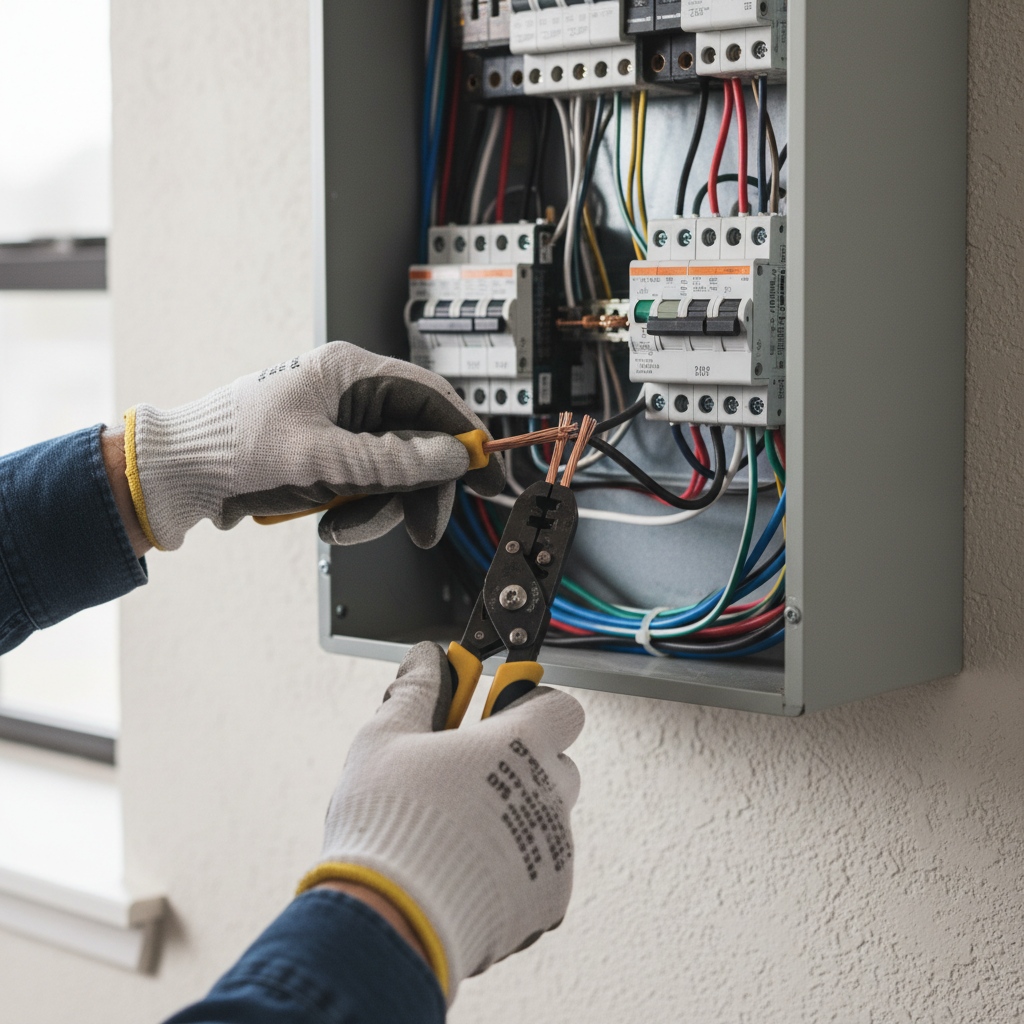
This guide is built for real purchasing decisions: what type fits your work, what specs actually change results, and how to avoid the common “I bought the wrong stripper” loop. You’ll also get a quick comparison table and a practical checklist you can bring to the supply house.
What electricians usually mean by “best” in 2026
For most U.S. electricians, “best” rarely means the most expensive. It usually means a tool that stays consistent across common gauges, survives daily carry, and doesn’t slow you down when you’re tired or in a cramped box.
- Clean strip, no nicks on copper, especially stranded where one bad bite can weaken the conductor.
- Fast repeatability for device work, panels, lighting whips, and control wiring.
- Comfort and leverage, because hand fatigue shows up before lunchtime on big trim-outs.
- Gauge coverage that matches your day, typically 10–18 AWG for branch work, sometimes down to 22 AWG for controls.
- Serviceability, spring replacement, blade availability, and whether adjustment stays put in a pouch.
According to OSHA, employers must provide a workplace free from recognized hazards, and tool condition and correct use are part of that safety baseline. In practice, if a stripper is nicking conductors or slipping, it’s not just annoying, it’s a quality and safety issue worth fixing early.
Types of wire strippers: which style fits your work
There isn’t one “universal” winner. The best wire stripper tool for electricians depends heavily on what you strip most often, and how much variation you see job to job.
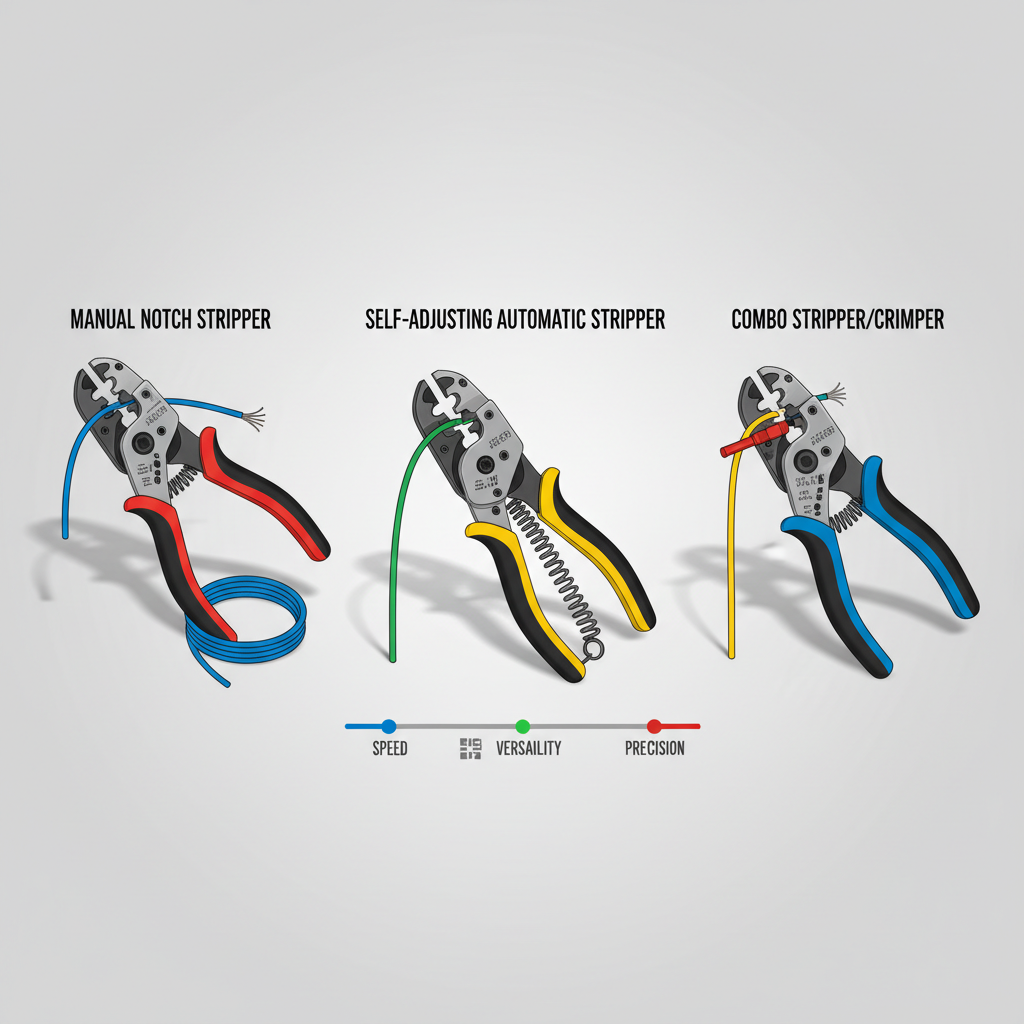
Manual notch strippers (classic plier style)
Simple, compact, and predictable when the gauge markings are accurate. Many electricians stick with these because they’re hard to break and easy to “feel.”
- Best for: THHN/MTW device terminations, panels, general service work
- Watch-outs: easier to nick strands if you rush, not ideal for high-volume stripping
Self-adjusting automatic strippers
These grab insulation and pull it off in one motion, often with an adjustable stop. When dialed in, they’re fast and reduce hand strain.
- Best for: production work, repetitive device leads, lighting, control cabinets
- Watch-outs: performance varies by insulation type, some models struggle with slick or tough jackets
Wire-stripper/cutter/crimper combos
Convenient, but compromises are common. A combo can be great in a pouch for service calls, but dedicated tools usually win on precision.
- Best for: light-duty kits, “one-tool” convenience, occasional crimp work
- Watch-outs: crimp quality and strip accuracy vary, and cutters dull faster if abused
Specialty options (NM cable rippers, coax strippers, thermal strippers)
These don’t replace your daily stripper, they complement it. If you do a lot of NM-B, coax, or delicate conductors, specialty tools can prevent rework.
Quick comparison table: choosing by job scenario
Use this as a practical shortcut. It’s not a brand ranking, it’s a “what to buy next” map based on common field scenarios.
| Work scenario | Recommended stripper type | Why it tends to work | What to check before buying |
|---|---|---|---|
| Service calls, mixed tasks | Manual notch stripper | Compact, reliable feel across THHN | Gauge markings, spring tension, cutter quality |
| High-volume device trim | Self-adjusting automatic | Speed and consistency with strip-stop | Adjustment stability, jaw alignment, insulation compatibility |
| Controls, smaller gauges | Manual precision or automatic rated for 20–30 AWG | Less strand damage, better repeatability | Minimum AWG, stranded performance, strip length stop |
| Residential NM-B rough/trim | Manual stripper + NM ripper | Right tool for jacket work, cleaner prep | NM sizes supported, comfort, pouch carry |
| Occasional terminations + splices | Quality combo tool | Fewer tools in the bag | Crimp die profile, strip accuracy, handle ergonomics |
Buying checklist: the specs that actually change results
A lot of listings oversell features that don’t matter in the field. These are the items that usually do.
- Gauge range you truly use: if you mostly touch 12/14 AWG, don’t overpay for ultra-wide ranges, but do confirm it hits 10 AWG cleanly if you land feeders or water heaters.
- Stranded performance: look for bite control and clean pull-off without “half-cut” strands; this is where cheap tools show their limits.
- Strip length stop: especially valuable for devices and terminals where consistent strip length prevents exposed copper.
- Jaw alignment and repeatability: on automatics, alignment affects whether insulation tears instead of sliding off.
- Handle geometry: thick grips can be comfortable, but sometimes too bulky for small hands or tight boxes; balance matters.
- Spring and return feel: weak springs slow you down; overly stiff springs increase fatigue.
- Cutting edge placement: some tools cut well but force awkward wrist angles; in daily work, ergonomics is quality control.
If you’re shopping online, search for product photos that show clear gauge markings and the jaw area. If the brand won’t show the business end, that’s usually not a great sign.
Self-test: which “best wire stripper tool for electricians” category are you?
If you want the correct style in one pass, answer these quickly. No overthinking.
- I strip 50+ conductors on a normal day → you’ll likely benefit from a self-adjusting tool with a dependable stop.
- I bounce between THHN, stranded, and odd insulation → a high-quality manual stripper often stays more predictable.
- I do a lot of control work → prioritize smaller-gauge accuracy and stranded protection over “all-in-one.”
- I’m constantly in tight boxes → compact manual tools or smaller-frame automatics tend to feel less clumsy.
- I keep re-terminating because copper gets nicked → step up in build quality, and add a strip-length stop to reduce rushed cuts.
One more honest check: if you already own a decent stripper but still hate the results, the issue might be technique, the wire type, or a dull cutter. Buying again won’t magically fix that.
Practical workflow: how to get cleaner strips (and fewer callbacks)
This part is where most “tool reviews” don’t help. The best wire stripper tool for electricians still needs a consistent method, especially under time pressure.
For manual notch strippers
- Match the gauge, then confirm by feel: if the insulation doesn’t release cleanly with a slight twist, you may be one notch off.
- Don’t crush the conductor: squeeze just enough to score insulation, then pull; over-squeezing is where nicks happen.
- Use a strip-length reference: a quick mark on the tool or a stop accessory can keep terminations consistent.
For self-adjusting automatic strippers
- Dial in tension on scrap wire: different insulation compounds grab differently, and the “factory setting” isn’t sacred.
- Set the strip stop for your terminals: too long exposes copper, too short risks loose termination.
- Keep the jaws clean: small insulation debris can cause slipping and uneven pulls.
When insulation fights back
Some jackets just resist clean stripping. In those cases, a sharp dedicated stripper, a different notch, or a different style may be the right call. If you see consistent tearing or stretching, treat it as a compatibility problem, not a skill problem.
Common mistakes that make even a good stripper feel “bad”
Most complaints trace back to a handful of habits. Fixing them often beats buying a new tool.
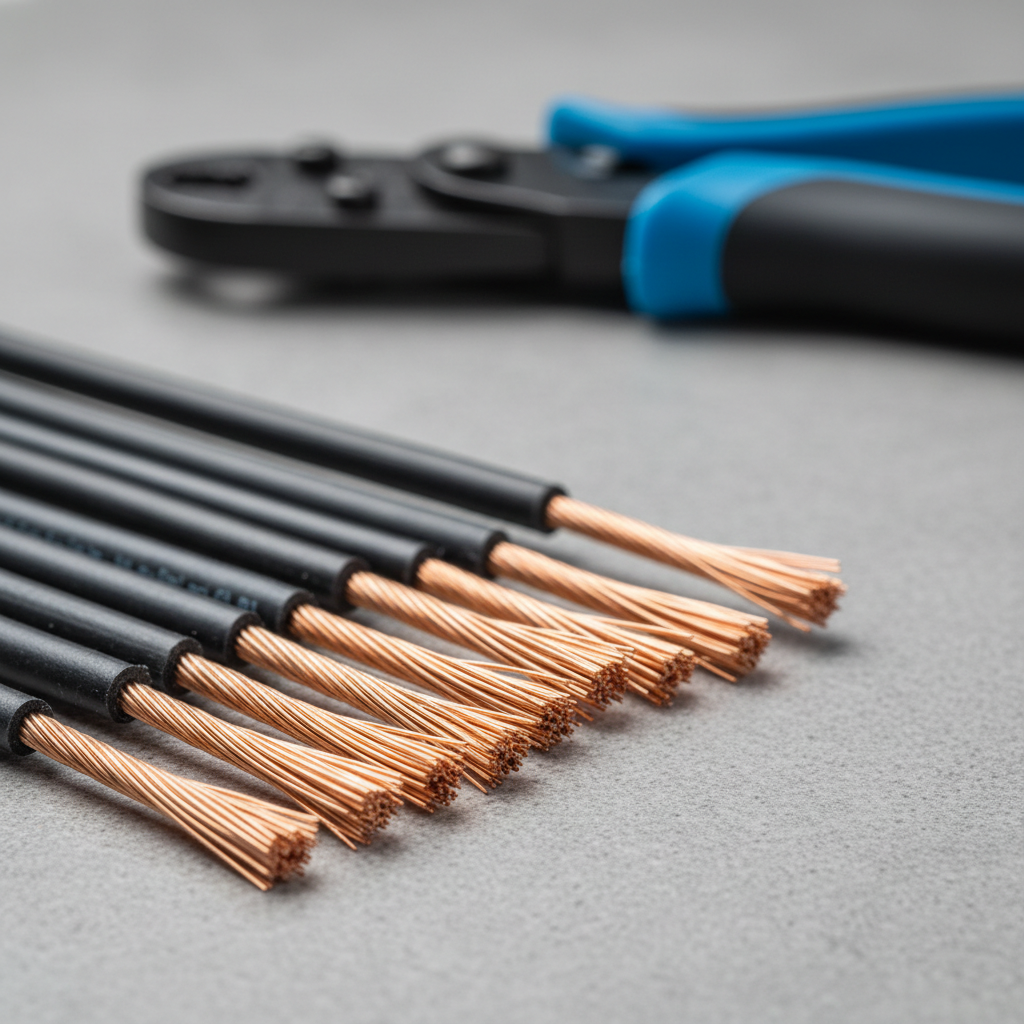
- Using the cutter to “score” insulation: it’s fast, but it’s also a great way to nick copper.
- Stripping at an angle: misalignment makes insulation tear and leaves ragged edges.
- One tool for everything: NM jacket work, coax prep, and fine control conductors often need different tools.
- Ignoring dullness: if you squeeze harder every week, the edge is probably done.
- Over-trusting printed gauge labels: tolerances vary; confirm on scrap before you commit on critical terminations.
According to NFPA, electrical work should follow applicable safety practices and codes, and workmanship issues can create hazards over time. If you’re seeing damaged conductors, it’s worth slowing down and correcting process before you close the box.
When it’s time to ask for help or upgrade your approach
If you’re working on unfamiliar systems, larger conductors, or critical equipment, it can be smart to get guidance from a licensed electrician, supervisor, or qualified trainer. The risk isn’t just “a messy strip,” it’s improper termination, overheating, or premature failure.
- Repeatedly nicked copper on stranded conductors, even after technique changes
- Inconsistent strip length causing exposed copper at devices
- Work that involves specialty cables, high-temp insulation, or sensitive control wiring
- Any situation where you’re unsure about code requirements or termination specs
If you’re an employer or lead, standardizing tools and setting a simple stripping standard can reduce variation between techs. It’s not glamorous, but it tends to show up in fewer reworks.
Key takeaways and a realistic conclusion
The best wire stripper tool for electricians in 2026 is the one that matches your daily wire types, hits your gauge range without drama, and stays comfortable when the pace picks up. Manual notch strippers still win for compact reliability, self-adjusting tools shine for high-volume repetition, and specialty tools earn their keep when the cable demands it.
- If you do mixed service work, start with a high-quality manual stripper and add a strip-length stop if you repeat device terminations.
- If you do production, choose a self-adjusting model with stable adjustment and proven performance on your insulation types.
Pick one tool type, then test it on the exact wire you run this month, not the wire you used two jobs ago. That small discipline usually saves more time than any “top 10” list.
FAQ
What wire stripper type do most electricians carry daily?
Many carry a manual notch stripper because it’s compact, durable, and works across common THHN and stranded branch-circuit sizes. A lot of pros add an automatic stripper when they expect repetitive work.
Are self-adjusting wire strippers worth it for residential work?
They can be, especially for trim-out days with lots of device terminations. If your work includes many different insulation types, test carefully, because some automatics behave differently on tougher jackets.
How do I know if I’m nicking the conductor?
On solid wire, you may see a visible groove or feel a weak spot when bending. On stranded, look for broken strands or a “thinned” bundle. If you suspect damage, it’s often safer to cut and re-strip rather than hoping it holds.
What gauge range should I prioritize for typical U.S. branch circuits?
For many residential and light commercial tasks, 10–18 AWG covers most device and lighting work, with 12/14 AWG being common. If you do controls, you may need smaller-gauge support.
Do combo stripper/crimper tools crimp as well as dedicated crimpers?
Sometimes they’re fine for light-duty work, but consistency varies by model and terminal type. If your day includes lots of terminations, a dedicated crimper often feels more predictable.
Why does insulation sometimes tear instead of sliding off?
It’s usually a mismatch between tool settings and insulation material, or jaw alignment on an automatic stripper. Try adjusting tension, cleaning the jaws, or switching to a manual notch on that specific wire.
How often should I replace or sharpen wire stripper blades?
There’s no universal interval. If you notice you’re squeezing harder, getting ragged edges, or seeing more nicks, that’s your sign. Some tools offer replaceable blades, which can be simpler than sharpening.
Is it safe to strip wire while circuits are energized?
In many situations, de-energizing is the safer and recommended approach, and workplace rules often require it. If live work is involved, follow your company policy and applicable standards, and consider consulting a qualified professional for the correct procedures and PPE.
If you’re trying to standardize your kit, or you want a faster way to narrow down the best wire stripper tool for electricians based on the wire you run and the boxes you work in, write down your top three wire types and gauges, then choose the tool style that matches that reality, not a generic “best overall” badge.