
The best angle grinder for metal cutting is the one that matches your metal type, cut frequency, and comfort level, not the one with the loudest “max RPM” on the box. If you pick wrong, you usually feel it fast: slow cuts, overheated discs, chatter that ruins edges, or a tool that’s simply tiring to control.
This matters more in 2026 because grinder lineups keep splitting into “compact brushless” and “big corded torque monsters,” and both can be right depending on the job. Buying by price alone is how people end up using the wrong wheel size or skipping basic safety features because the tool feels awkward.
Below is a practical way to choose, with a short comparison table, a quick self-check, and a few setups that actually work for common US garage and jobsite situations.
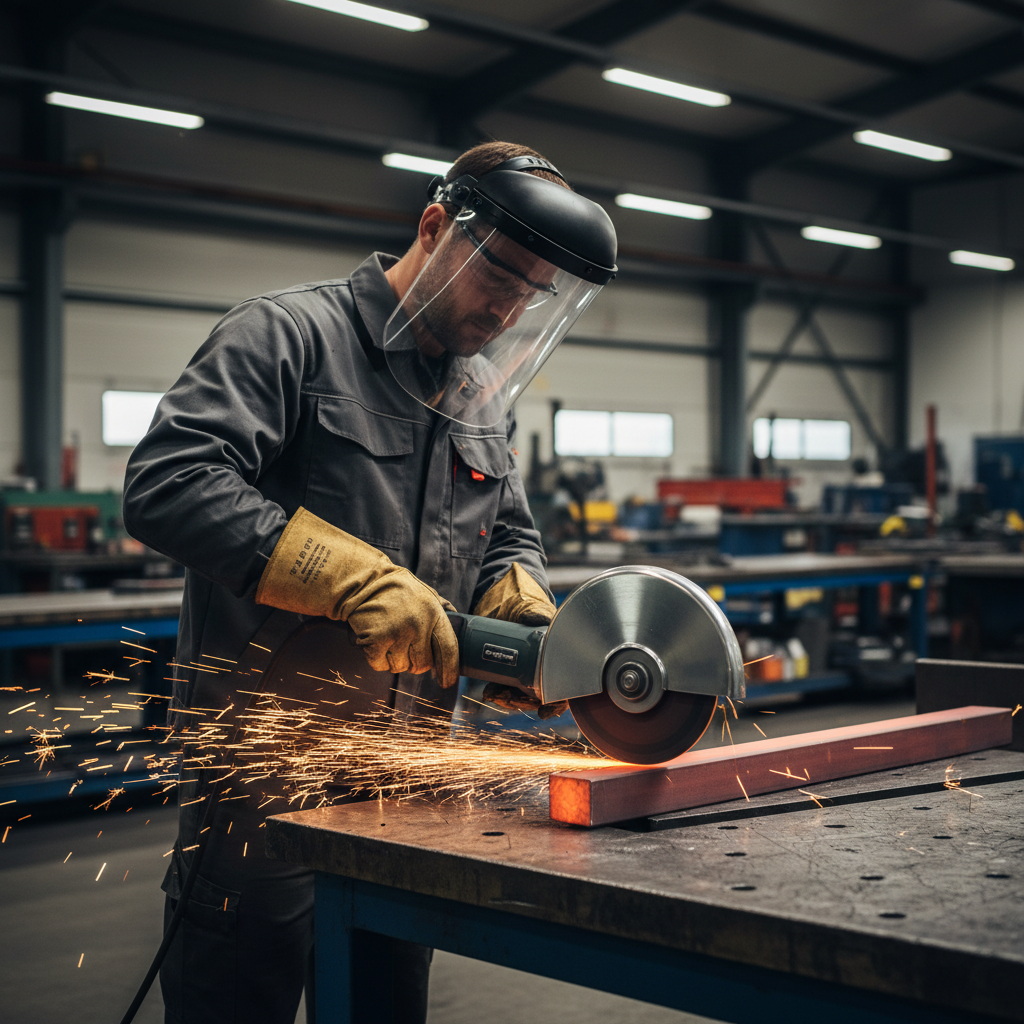
What “best” really means for metal cutting
Most grinders can spin a cut-off wheel. The difference is how confidently they do it when the cut gets long, the metal gets thick, or your hands get tired.
- Power under load: torque matters more than no-load RPM when you’re pushing through thicker steel.
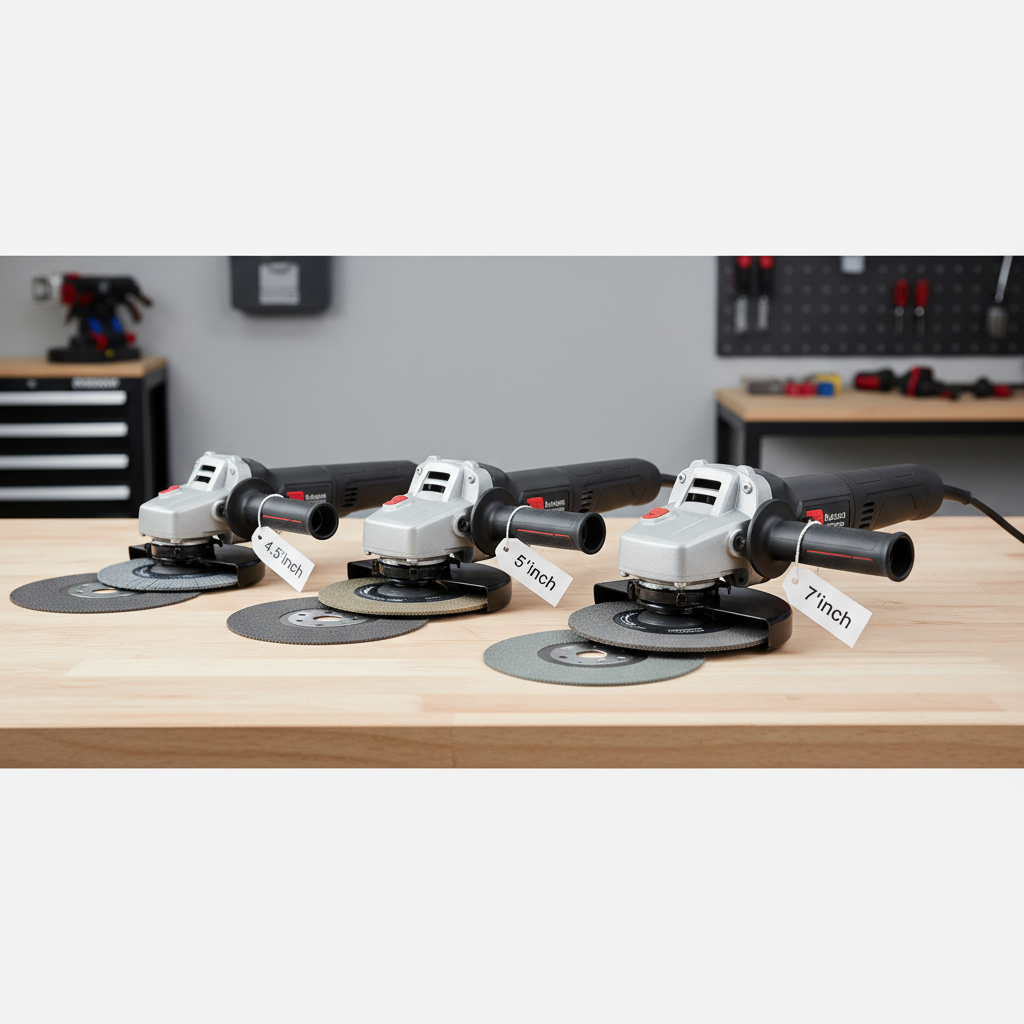
- Wheel size: 4-1/2 in is the all-around pick; 5 in gives a little more reach; 6 in and 7/9 in belong to heavier cutting.
- Ergonomics: slim grip, good side-handle positions, and balanced weight reduce wandering cuts.
- Safety and control: a real tool-less guard, anti-restart, and a decent paddle switch are not “extras.”
- Consumable compatibility: the grinder is only half the system, discs and wheels decide cut quality.
According to OSHA... abrasive wheels and grinders must be used with appropriate guarding and safe operating practices, and employers often require specific safety features and PPE. Even for DIY, treating the guard as optional tends to end badly.
Quick comparison table (pick your scenario first)
This table won’t name a single brand as “the winner,” because your “best angle grinder for metal cutting” depends on where and how you cut. Use it to narrow the class of tool, then shop within that class.
| Use case | Recommended grinder type | Wheel size | What to prioritize | Typical tradeoff |
|---|---|---|---|---|
| DIY garage, occasional cuts | Corded compact | 4-1/2 in | Comfort, guard, price-to-value | Cord management |
| Mobile work, no easy outlets | 18V/20V brushless cordless | 4-1/2 or 5 in | Battery ecosystem, brake, runtime | Cost of batteries |
| Frequent steel cutting (rebar, angle, tube) | Corded high-torque | 5 or 6 in | Torque, thermal management | Heavier tool |
| Structural work, thick stock | Large grinder (pro) | 7 or 9 in | Cut depth, vibration control | Requires experience and space |
Key specs that actually change your cuts
Amps (corded) or volts (cordless) vs real torque
For corded grinders, amperage is a rough indicator of how well the tool holds speed under load. For cordless, the motor and battery delivery matter more than the label voltage. If you cut thicker steel often, aim for a grinder known for maintaining speed rather than peaking fast in free spin.
Wheel size and guard range
Wheel size controls cut depth and stability. A 4-1/2 in setup is easier for most people to control. A 5 in wheel can feel steadier on longer cuts. If you move up in size, make sure the guard is designed for that diameter, not “close enough.”
Switch style: paddle vs slide
Paddle switches are common on jobsite grinders because you release to stop, and that’s a real safety and control benefit. Slide switches can be comfortable for extended grinding, but for cutting, many users prefer the “let go and it stops” feel.
Brake, anti-restart, and kickback control
A brake that stops the wheel quickly reduces “set-down” accidents. Anti-restart prevents the grinder from powering on after a power interruption. Kickback control varies by brand and model, and it’s not magic, but it can help if a wheel binds in a cut.
Self-check: which grinder class fits you?
If you answer these quickly, you’ll usually avoid overbuying or underbuying.
- What are you cutting most? Sheet metal and thin tubing behave differently than 1/2 in plate.
- How long are your cuts? Short notches are easy; long straight cuts punish weak torque and bad discs.
- Where do you work? If you’re outdoors or moving around a property, cordless convenience can outweigh cost.
- Do you already own a battery platform? If yes, the “best angle grinder for metal cutting” may be the one that shares batteries you trust.
- How steady are your hands? If you’re newer, prioritize a smaller, balanced grinder with an easy-to-adjust guard.
One honest tip: if most cuts are in a fixed spot, corded still makes life easier, you get consistent power and you stop thinking about runtime.
Practical picks by scenario (what to look for, not hype)
1) Home garage: cutting angle iron, bolts, small plate
Look for a compact 4-1/2 in corded grinder with a tool-less guard and a comfortable side handle. Pair it with quality thin cut-off wheels and you’ll get clean results without forcing the tool.
- Nice-to-have: vibration-damping handle, longer cord, easy spindle lock access
- Avoid: bulky bodies that force a two-handed death grip just to feel stable
2) Jobsite or farm property: cutting rebar, fencing, tubing
Go cordless if you’re constantly relocating. A brushless 4-1/2 or 5 in grinder with a brake saves time because you’re not waiting for the wheel to coast down, and you’re not searching for an outlet.
- Battery tip: keep at least one higher-capacity pack for cutting, smaller packs feel nose-heavy less often but drain quickly
- Control tip: choose a model with multiple handle positions so you can keep wrists aligned
3) Frequent cutting and thicker stock: step up in wheel and torque
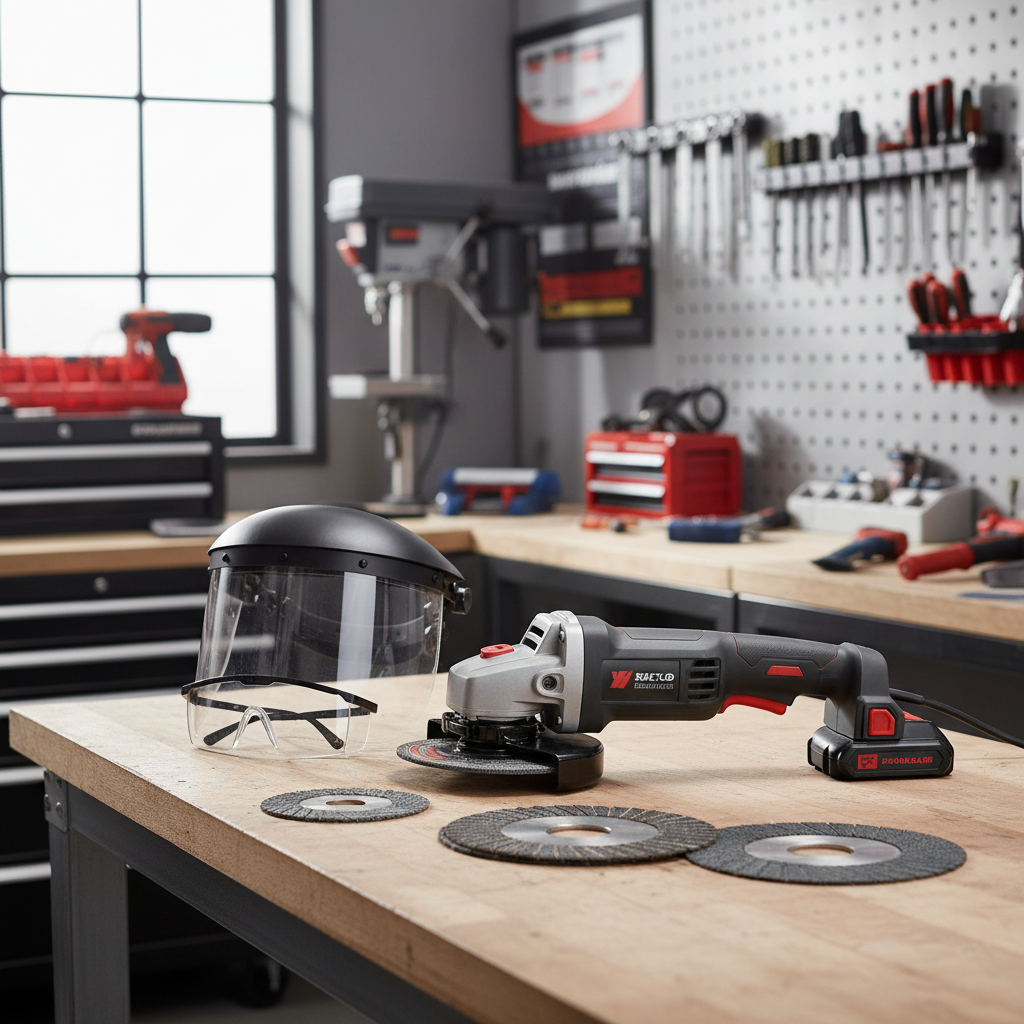
If cutting is a weekly habit and you’re into thicker steel, consider a stronger corded 5 or 6 in grinder. The payoff is steadier feed rate, fewer stalled wheels, and less heat. It’s also where better guards, better handles, and better bearings start to matter.
4) Stainless and “finish matters” metalwork
Stainless can discolor and warp if you overheat it, and cheap wheels can smear material. In this lane, the disc choice often matters as much as the grinder.
- Use thin, high-quality cut-off wheels, and avoid twisting in the cut
- Keep separate wheels for stainless to reduce contamination
How to set up your grinder for cleaner, safer metal cuts
This is the part many people rush, then blame the tool. A good setup makes a “medium” grinder feel great.
Step-by-step setup
- Pick the right disc: thin cut-off wheel for cutting, flap disc for smoothing edges, grinding wheel for heavy stock removal.
- Match RPM rating: the wheel must be rated above the grinder’s maximum RPM.
- Install and tension correctly: snug, not over-torqued, and make sure flanges seat flat.
- Set the guard position: aim it to deflect sparks and debris away from your body.
- Support the work: clamp the metal so the cut opens, binding is where trouble starts.
Cut technique that reduces binding
- Let the wheel do the work, forcing pressure heats the disc and increases deflection
- Start with a light groove, then deepen it, especially on round stock
- Keep a consistent angle, twisting a cut-off wheel is a common break cause
According to ANSI... abrasive wheel safety guidance typically emphasizes using wheels within rated speeds, proper guarding, and correct mounting practices. If you’re unsure about wheel compatibility or mounting hardware, it’s worth checking your grinder manual or asking a qualified shop.
Common mistakes buyers make (and how to avoid them)
- Buying “more wheel” without needing it: larger grinders cut deeper but can be harder to control, especially for casual users.
- Ignoring disc quality: bargain wheels often cut slower and wander more, so you push harder and everything gets worse.
- Running without the guard: it feels convenient until a wheel chips or binds, then it’s a problem fast.
- Using the wrong accessory: cutting with a grinding wheel or side-loading a cut-off wheel is where breakage risk increases.
- Assuming cordless equals weak: many modern brushless models cut impressively well, but only if you pair them with the right battery and discs.
If you’re comparing options and two models feel close, I’d usually pick the one with better ergonomics and safety features over a small spec bump, it pays off every time you pick it up.
When to get extra help or step up tools
If you’re cutting thick structural steel, working overhead, or doing repetitive production-style cutting, it may be worth talking to a more experienced fabricator or tool supplier, and in some cases using a different tool entirely such as a band saw, chop saw, or plasma cutter. These choices can reduce kickback risk and improve consistency, but the “right” move depends on your workspace and skill level.
And if you’re new to cutting metal, consider a quick safety refresher. According to NIOSH... workplace hand tool safety guidance often centers on proper PPE, guarding, and training, and those basics still apply in a home shop.
Conclusion: a smart 2026 buy is the one you’ll use confidently
Choosing the best angle grinder for metal cutting comes down to matching wheel size, torque, and safety controls to your real work, then pairing it with the right discs and a clean setup. When you do that, cuts get straighter, wheels last longer, and the tool feels calmer in your hands.
If you want a simple next step, pick your main scenario from the table, decide corded versus cordless based on where you cut, and budget for quality cut-off wheels at the same time. That’s usually the difference between “good enough” and genuinely satisfying results.