
Best step drill bit for metal sheet shopping gets confusing fast because most listings look identical, yet the wrong bit will chatter, burn up, or leave ugly burrs on thin steel and aluminum. This guide breaks down what actually matters in 2026, so you can pick a bit that drills clean holes and lasts longer.
If you work with sheet metal, you already know the pain points: holes that come out oversized, sharp edges that need extra deburring, and bits that dull halfway through the job. A step bit can be the fastest option for thin stock, but only when the geometry and coating match your material and drill setup.
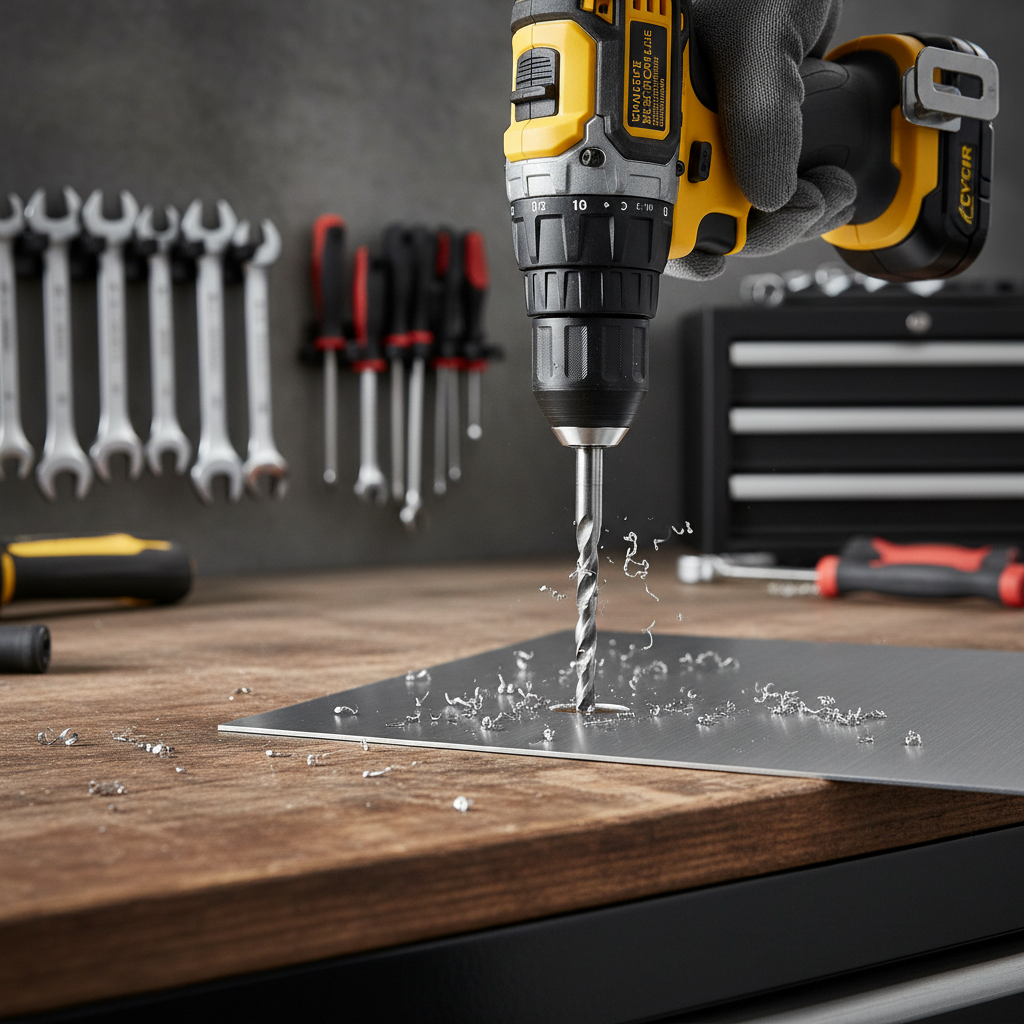
I’ll focus on practical selection rules, not hype: bit steel type, coating, step layout, shank design, and how those choices change across aluminum, stainless, and galvanized sheet. You’ll also get a quick self-check and a simple “buy once” shortlist strategy.
What a step drill bit does well (and where it struggles)
A step drill bit is basically a cone made of “steps” in increasing diameters, letting you enlarge a hole gradually. For sheet metal, that usually means cleaner control than a twist bit because each step acts like a built-in stop.
Where it shines:
- Thin metal (many cases under about 1/8 in): less grabbing, easier to hit an exact diameter.
- Deburring as you drill: many step bits leave a more manageable edge than standard drills.
- Speed for multiple sizes: one tool can cover many common hole diameters.
Where it can disappoint:
- Thicker plate: once the material exceeds the step height, results get slower and heat climbs.
- Hard stainless: poor coatings and wrong speeds dull quickly, then the bit starts work-hardening the metal.
- Precision fits: if you need a tight tolerance hole for a bearing or press-fit, reaming or a punch process may be more appropriate.
Key factors that decide the “best” step bit for sheet metal
Most people fixate on the printed size range. Real-world performance comes from a handful of details that listings often bury.
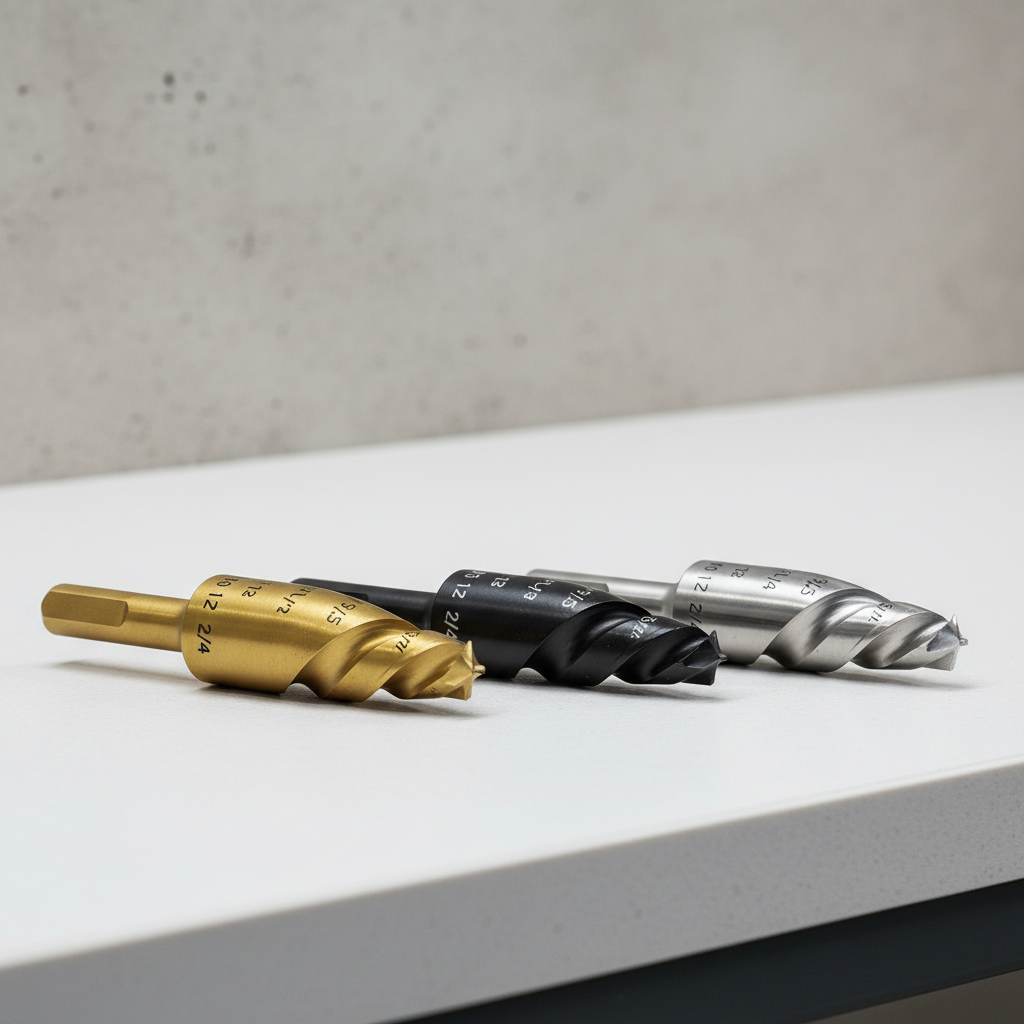
1) Bit material: HSS vs cobalt HSS
- HSS (high-speed steel): good all-around choice for aluminum, mild steel, and general shop work, especially if you keep heat under control.
- Cobalt HSS (often M35/M42): typically holds an edge longer on tougher alloys and stainless, at a higher price. It’s not magic, but it buys you margin when jobs run hot.
According to OSHA, eye protection is recommended for drilling and other operations where flying particles can occur. That matters more with step bits than people expect because thin sheet tends to throw sharp spirals when you push too hard.
2) Coating: titanium nitride vs “black oxide” vs uncoated
- TiN / titanium-type coatings: commonly used to reduce friction and resist wear in lighter-to-medium duty cutting. Good for general sheet work when paired with the right speed and lubricant.
- Black oxide: often a budget coating that can help with corrosion and chip flow, but it won’t save a poor bit on stainless.
- Uncoated: not automatically bad; on soft aluminum, some users prefer uncoated with proper cutting fluid to reduce galling. The grind quality matters more than the color.
3) Step geometry and “dwell”
Two bits can share the same size chart and drill totally differently. Look for:
- Clear size markings that won’t wipe off quickly, you’ll use them more than you think.
- Wide, consistent steps that create a stable “seat” at each diameter, reducing wobble.
- Split point or self-starting tip if you want less walking on smooth sheet.
4) Shank style: round vs hex
- Hex shank: better grip in a drill chuck and reduces slipping, especially when the bit heats up.
- Round shank: can run smoother in a drill press, but can spin in a handheld drill if you overload it.
Quick self-check: which step bit profile fits your jobs?
If you want to choose the best step drill bit for metal sheet without overthinking it, answer these the honest way, not the wishful way.
- Material mix: mostly aluminum, mostly mild steel, or a lot of stainless?
- Thickness: under 16 gauge, or often thicker than 1/8 in?
- Hole sizes you actually drill: 1/8–1/2 in wiring holes, or larger conduit sizes?
- Tooling: drill press available, or mainly cordless drills overhead?
- Finish expectation: “good enough” holes, or holes that need minimal deburring for visible panels?
Common matchups:
- Aluminum + thin sheet: quality HSS, sharp grind, lubricant to avoid chip welding.
- Mild steel + mixed gauges: TiN-coated HSS often works well, prioritize clear markings and stable steps.
- Stainless frequent: cobalt HSS becomes more worth it, but speed control and cutting fluid matter just as much.
A practical comparison table for buying in 2026
You usually won’t find one “winner” for every shop. This table helps you pick by use case rather than brand hype.
| Use case | Bit material | Coating | Why it fits | Watch-outs |
|---|---|---|---|---|
| HVAC, electrical knockouts in thin steel | HSS | TiN (or similar) | Good wear resistance, fast sizing across common diameters | Over-speeding causes chatter and blueing |
| Aluminum panels, enclosures | HSS | Uncoated or TiN | Sharp edge and chip clearance reduces tearing | Galling if run dry or too slow with heavy pressure |
| Stainless sheet (occasional) | Cobalt HSS | Wear-focused coating if available | Better heat tolerance, less rapid dulling | Needs cutting fluid and controlled RPM |
| Production-like repetition | Cobalt HSS | Durable coating + clear markings | Longer usable edge life under consistent processes | Consider carbide tooling if volume is high |
How to drill cleaner holes in sheet metal (step-by-step)
Even the best step drill bit for metal sheet can look “bad” if the process is off. These steps are boring, but they stop most of the headaches.
Setup that prevents walking and oval holes
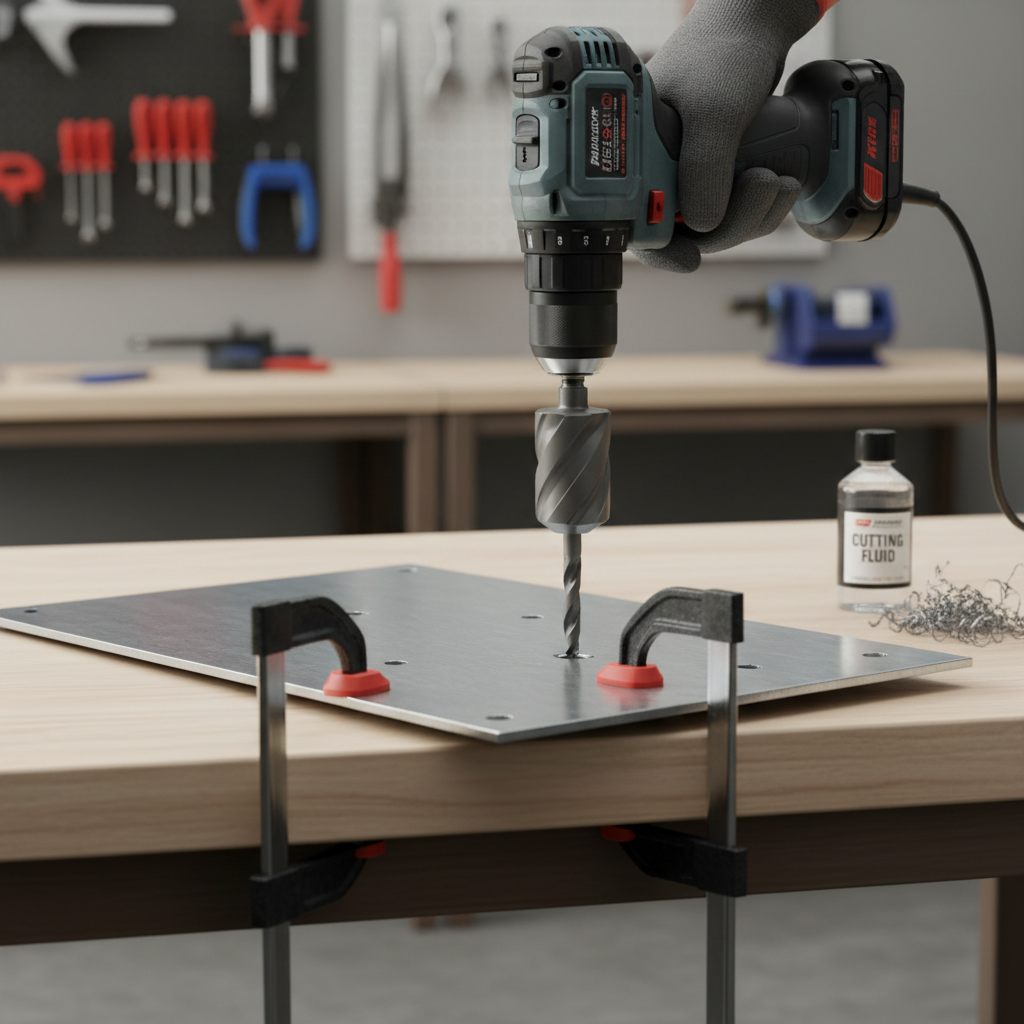
- Center punch the location or use a small pilot dimple, especially on smooth stainless.
- Clamp the work so the sheet can’t climb the bit. Hand-holding thin metal is where injuries and ugly holes happen.
- Use backing material (scrap wood) under thin sheet to reduce blowout and burrs.
Speed, pressure, and lubrication (the part people skip)
- Lower RPM for harder metals; if you see blue heat marks, you’re typically too fast or too dry.
- Steady pressure; peck lightly to clear chips rather than forcing the next step.
- Use cutting fluid for steel and stainless, and a suitable lubricant for aluminum to reduce chip welding.
According to NIOSH, controlling hazards from metalworking fluids and mists is an important safety consideration in machining environments; in a small shop, good ventilation and sensible application help reduce exposure.
Finishing: deburr smarter, not harder
- Stop exactly at the step you need, then ease off before the bit “catches” and chamfers too much.
- Use a deburring tool or a light countersink pass if the edge will be touched or wired.
- Check both sides; thin sheet often forms a burr on the exit side even when the entry looks perfect.
Common mistakes that make step bits feel “cheap”
Most complaints come down to a few patterns. Fix these before you blame the tool.
- Running a cordless drill in high gear on steel: the bit heats, dulls, then starts chattering.
- No clamping: the work grabs, hole goes oval, and the last step overshoots.
- Using one bit for everything: aluminum-friendly setup can be wrong for stainless, and vice versa.
- Letting chips pack: packed chips scrape coatings and raise heat, especially on deeper step ranges.
- Buying the widest size range “just in case”: longer bits flex more, a focused size range often drills cleaner.
Buying checklist: what to look for on the product page
If you’re scanning listings, use this as a filter. It saves time and avoids the “looks fine, drills terrible” trap.
- Steel type disclosed (HSS vs cobalt HSS) instead of vague “premium alloy.”
- Size markings that are etched or laser-marked, not just printed paint.
- Step count and range aligned with your common holes, not a huge range you rarely use.
- Shank compatibility: hex shank if you mainly use handheld drills, especially in the field.
- Return policy clarity: step bits vary a lot, and a reasonable return window matters.
Conclusion: the “best” choice is the one that matches your metal and your drill
The best step drill bit for metal sheet in 2026 usually isn’t about chasing the newest listing, it’s about matching material + coating + geometry to the metal you drill most and the tool you run. If your work is mostly aluminum and mild steel, a high-quality HSS step bit with readable markings and a stable step design covers a lot. If stainless shows up often, cobalt HSS and disciplined speed control start paying for themselves.
Action items: pick a size range you actually use, then commit to the basics: clamp the sheet, use cutting fluid when appropriate, and slow the drill down before heat ruins the edge.
FAQ
What is the best step drill bit for metal sheet if I drill stainless sometimes?
A cobalt HSS step bit is often the safer bet for occasional stainless because it tends to tolerate heat better, but you still need slower RPM and cutting fluid or the edge can dull quickly.
Do titanium-coated step bits work better on steel sheet?
Many times they do, mainly by reducing friction and slowing wear, but the grind quality and your drilling speed matter just as much. A great coating can’t compensate for overheating.
Should I use a pilot hole with a step drill bit on sheet metal?
Often you can skip a pilot hole, but a center punch mark is helpful to prevent walking. For slick stainless or curved surfaces, a small pilot can make the start more controlled.
Why does my step bit leave a big burr on the backside?
Common causes include no backing material, too much pressure on the last step, or a dull edge. Supporting the sheet and easing pressure as you break through usually reduces the burr.
Can a step drill bit replace a hole saw for larger holes?
Up to a point, yes, especially for thin sheet and moderate diameters. For very large holes or thicker material, a hole saw or knockout punch may be more efficient and less heat-intensive.
What lubricant should I use when drilling aluminum sheet with a step bit?
Many metalworkers use light cutting fluid or a lubricant designed for aluminum to reduce chip welding. If you’re unsure, the safest move is to follow the lubricant manufacturer guidance for your alloy and application.
How do I keep a step drill bit from chattering in a cordless drill?
Clamp the work, drop to low gear, apply steady pressure, and clear chips. Chatter usually signals too much speed, too little support, or both.
When should I replace a step drill bit instead of “pushing through”?
If it starts squealing, overheating quickly, or enlarging holes unpredictably, it’s usually costing you time and ruining parts. For production work or critical fits, consider sharpening services or replacement rather than forcing it.
If you’re trying to standardize your shop kit, a simple approach is to buy one step bit optimized for your most common sheet metal and a second “tough metal” option for stainless jobs, it’s typically cheaper than burning through random multi-packs and reworking burr-heavy holes.