
Carpet seam roller tool is one of those small tools that decides whether a carpet seam looks “pro-level” or looks like you tried to hide it with furniture.
If your seam feels lumpy, the fibers look crushed, or the joint starts opening after a few weeks, it’s rarely the carpet’s fault alone, it’s usually pressure, timing, or the wrong roller type. The good news is most seam issues are fixable without redoing the whole room, as long as you catch them early.
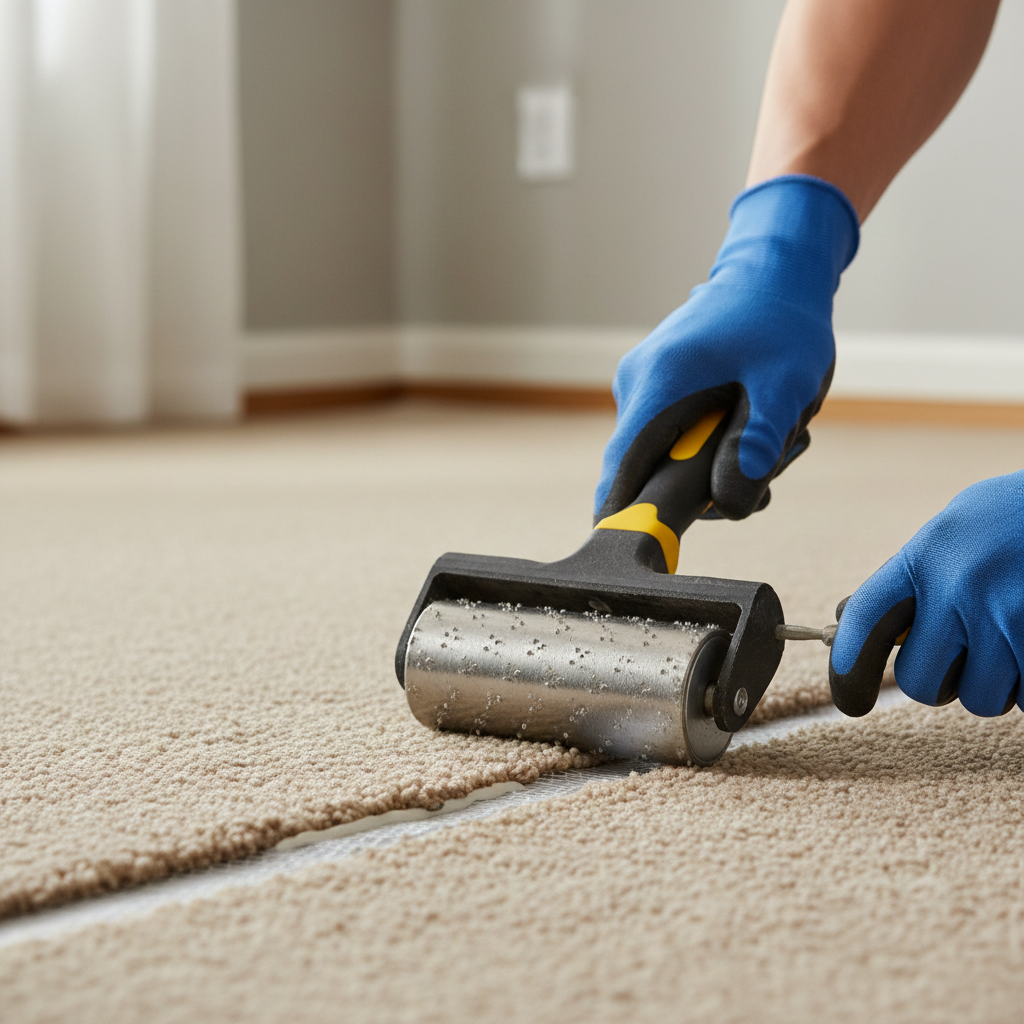
This guide breaks down what the tool actually does, how to pick the right one, and a step-by-step method that works for most U.S. residential installs. I’ll also call out the mistakes that waste time, like rolling too early or using the wrong wheel profile.
What a carpet seam roller tool really does (and what it can’t do)
A seam roller is meant to press carpet backing into adhesive and help blend the seam by setting the pile direction right at the joint. Think of it as controlled pressure, not brute force.
What it can do well:
- Improve bond between carpet backing and seam tape adhesive
- Reduce peaking by compressing the seam area while the adhesive is workable
- Help “zip” fibers so the seam hides better in the traffic view
What it cannot do consistently:
- Fix a seam cut that’s off-line or frayed, a bad cut shows
- Compensate for missing power stretch, tension problems often come back later
- Overcome cold or contaminated adhesive, if glue sets wrong, pressure won’t save it
According to Carpet and Rug Institute (CRI)... proper installation practices are essential to performance and appearance retention, and tools are only part of the equation. Translation: technique matters as much as gear.
Common reasons seams look bad even when you “rolled it”
Most seam complaints come down to a handful of patterns. If you recognize your situation here, you’re already halfway to a cleaner fix.
Rolling at the wrong time
Many seams get rolled when the adhesive is either too hot and wet or already skinning over. Too wet, and you risk bleed-through or squishing adhesive into the face yarn. Too late, and the roller just dents the pile without improving bond.
Using the wrong roller type for the carpet
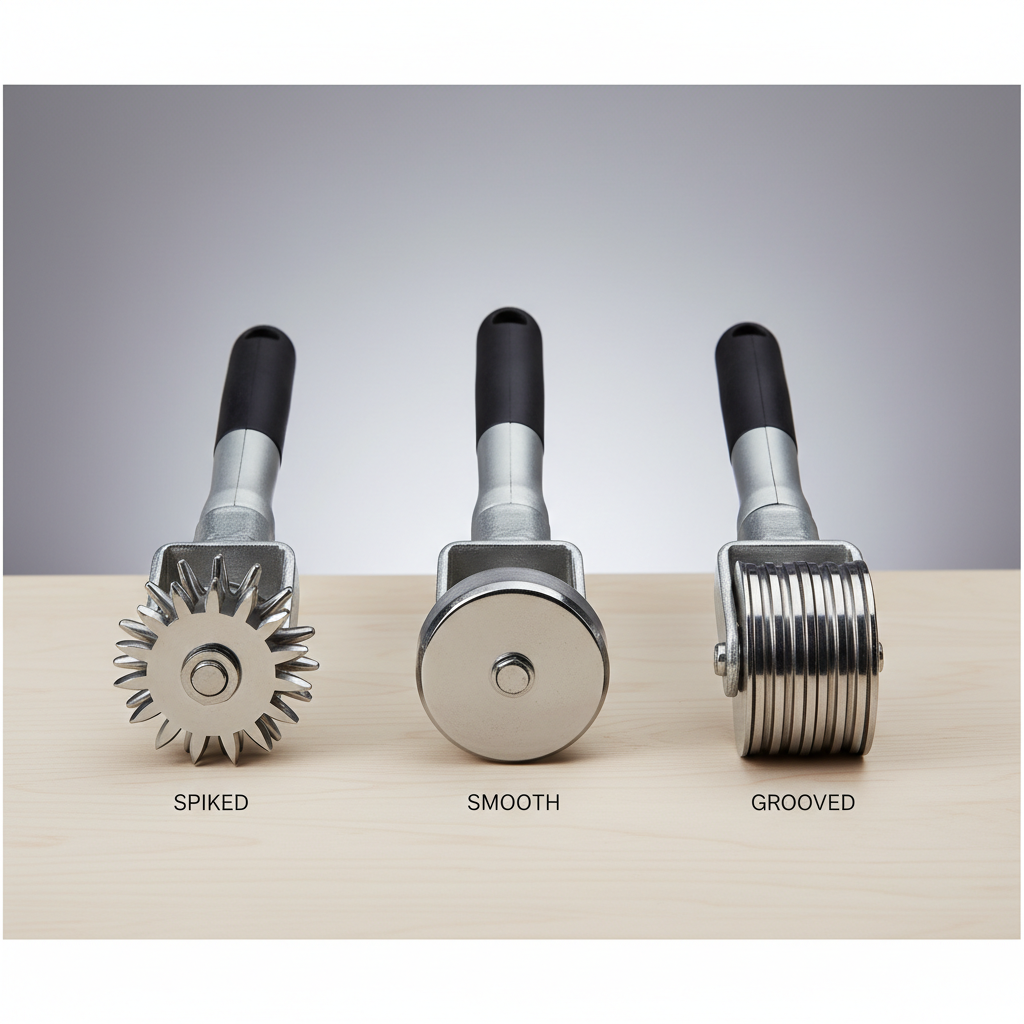
A star wheel can be great for setting backing into hot-melt tape, but it can also snag loops or leave track marks on certain styles. A smooth roller can be safer for some plush carpets but may not push backing down enough on thicker goods.
Too much pressure in one pass
Cranking down hard right on the seam line can create a visible “railroad track.” Better results usually come from multiple controlled passes, including passes just off the seam to blend.
Heat and subfloor conditions fighting you
Cold rooms, dusty subfloors, or old adhesive residue can weaken the seam bond. If you’re in a basement or winter install, you may need more patience and better prep, not more rolling.
How to choose the right seam roller for your job
There isn’t one “best” option, but there is usually a best match for your carpet type, adhesive method, and how visible the seam will be.
| Roller type | When it’s a good fit | Watch-outs |
|---|---|---|
| Star / spiked wheel | Hot-melt seam tape, dense backings, need stronger bite | Can leave marks on some plush, can snag loop pile |
| Smooth wheel | Delicate face yarns, blending pressure without imprinting | May not press backing deep enough on heavy goods |
| Grooved / ribbed wheel | General-purpose work where you want grip with less marking | Still can track if you lean too hard on one pass |
| Double-wheel roller | Stability and even pressure near seam line | Bulkier, not great in tight edges |
Practical buying notes:
- Handle comfort matters, if your grip slips you’ll roll uneven
- Look for solid axle and bearings that don’t wobble
- If you do mixed work, a model with interchangeable wheels can save money
Quick self-check: do you actually need a seam roller, or a different fix?
Before you buy another tool, run this fast checklist. It helps you avoid “rolling harder” when the real issue sits elsewhere.
- Seam is opening but tape looks poorly bonded to backing, roller technique or timing may be the culprit
- Seam is tight but looks shiny or crushed, pressure too aggressive or wheel choice wrong
- Seam peaks (forms a ridge), can be tension, trimming, or tape placement problem
- Fibers won’t blend, pile direction may be mismatched, roller alone won’t fix grain issues
- Adhesive bleed-through or face contamination, stop and reassess, rolling can make it worse
If two or more boxes match your issue, a carpet seam roller tool may help, but it’s smart to adjust the process too, not just the tool.
How to use a carpet seam roller tool step by step (the method that avoids track marks)
Carpet seam roller tool use is mostly about timing and where you place the pressure, not the number of passes. This workflow fits many hot-melt seam tape installs and patch seams.
1) Get the seam “ready to roll”
- Confirm edges are trimmed cleanly and meet without forcing
- Make sure tape stays centered under the seam line
- Keep face fibers out of adhesive, use a carpet awl or seam separator if needed
2) Roll in zones, not just on the seam line
Start with one light pass directly over the seam, then do two passes one to two inches off each side. This blends pile height and avoids the “railroad” look. If you only roll the seam line, you basically draw attention to it.
3) Keep pressure consistent and your wrist steady
Short strokes and uneven pressure create dents. Use longer strokes with moderate pressure and keep the roller square to the seam.
4) Do a final fiber set while adhesive is still workable
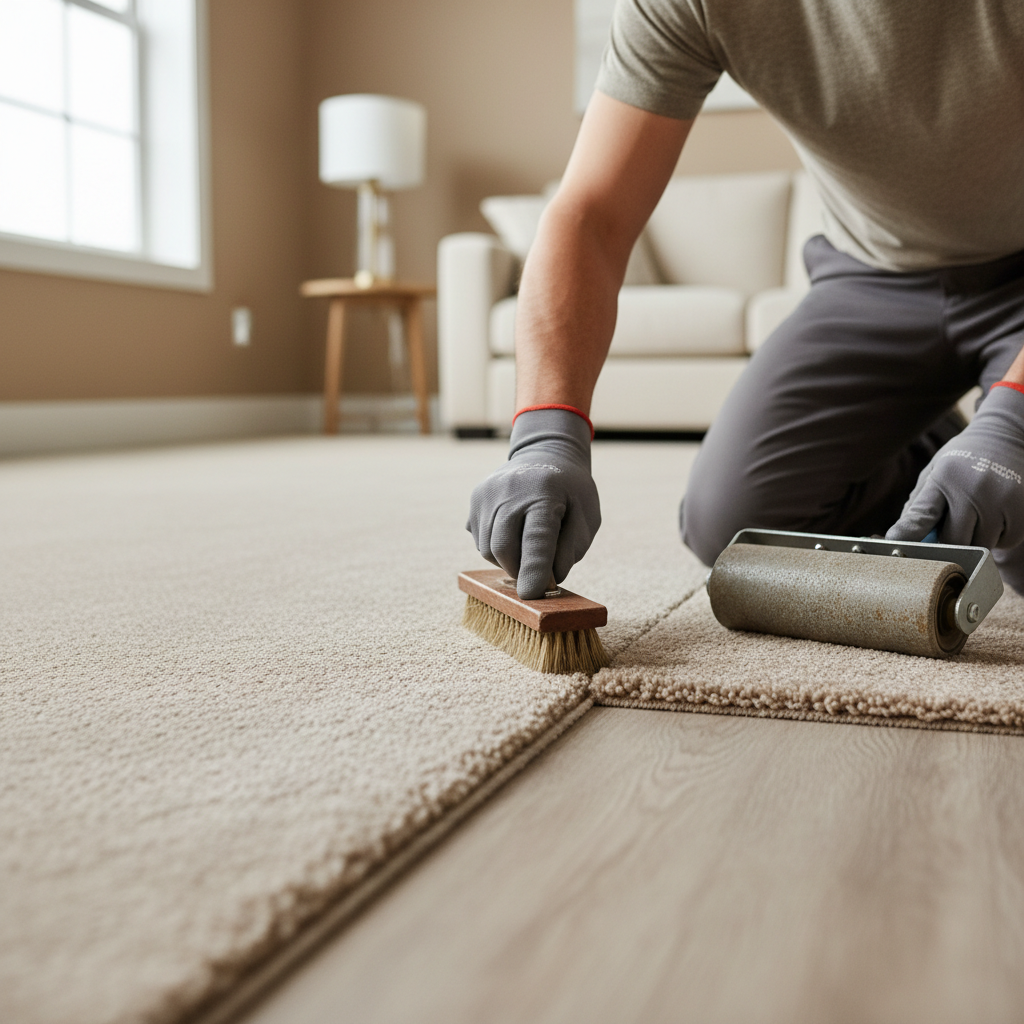
After rolling, gently brush the pile across the seam so fibers interlock visually. For some carpets, that little grooming step hides more than another heavy pass would.
Key points to remember if you only take one thing from this section:
- Roll early enough to help bonding, not so early you squeeze adhesive into the pile
- Blend off the seam line, that’s where the “invisible” effect comes from
- More force rarely beats better timing
Mistakes that quietly ruin seams (even for careful DIYers)
These show up a lot in real homes because they feel logical in the moment.
- Using a star wheel on loop pile: it can snag, or leave a pattern you can’t unsee
- Rolling over debris: one staple fragment under the seam becomes a permanent bump
- Skipping stretch or relax time: carpet can creep, then the seam gets stressed
- Overheating seam tape: adhesive gets too fluid, increasing bleed risk
- Trying to fix a bad cut with pressure: it usually just makes the mistake flatter, not smaller
If you’re working around stairs or transitions, it’s also easier to over-roll by accident because body position feels awkward, take a second to reset so you keep pressure even.
When it makes sense to call a pro (and what to ask them)
Some seam issues are “tool and patience,” others are “this needs a trained installer.” If you see any of these, consider bringing in help, especially when the seam runs through a high-traffic sight line.
- Seam repeatedly opens after repair, suggests tension or adhesive failure
- Noticeable delamination or backing damage near the joint
- Large patterned carpet where match accuracy matters
- Any situation where heat tools create burn risk, if you’re unsure, it’s worth asking a professional
Helpful questions to ask an installer:
- Which seam tape and adhesive method do you plan to use for this carpet type?
- Will you power-stretch or re-stretch the area around the seam?
- How will you blend the pile and manage seam visibility in normal lighting?
Practical takeaways and next steps
A carpet seam roller tool is worth owning if you do repairs, patches, or even one install where seam appearance matters, but it only pays off when wheel choice, timing, and pressure match the carpet. If your seams look “fine” at night but pop in daylight, focus on blending passes off the seam and gentler finishing, that’s where the visual win usually sits.
If you want a simple next move, inspect your seam under bright side lighting, then do a controlled re-roll with the right wheel type and lighter pressure, if the seam still peaks or separates, stop chasing it and consider a professional re-stretch or re-seam.