
Oil drain pan with spout is one of those garage tools you don’t think about until you’ve watched hot used oil splash off a flat pan, run down the floor, and creep toward the driveway.
If you change oil at home even a couple times a year, the right pan can save time, reduce cleanup, and make recycling used oil less of a hassle. The “spout” part matters more than most people expect, because pouring is where spills usually happen.
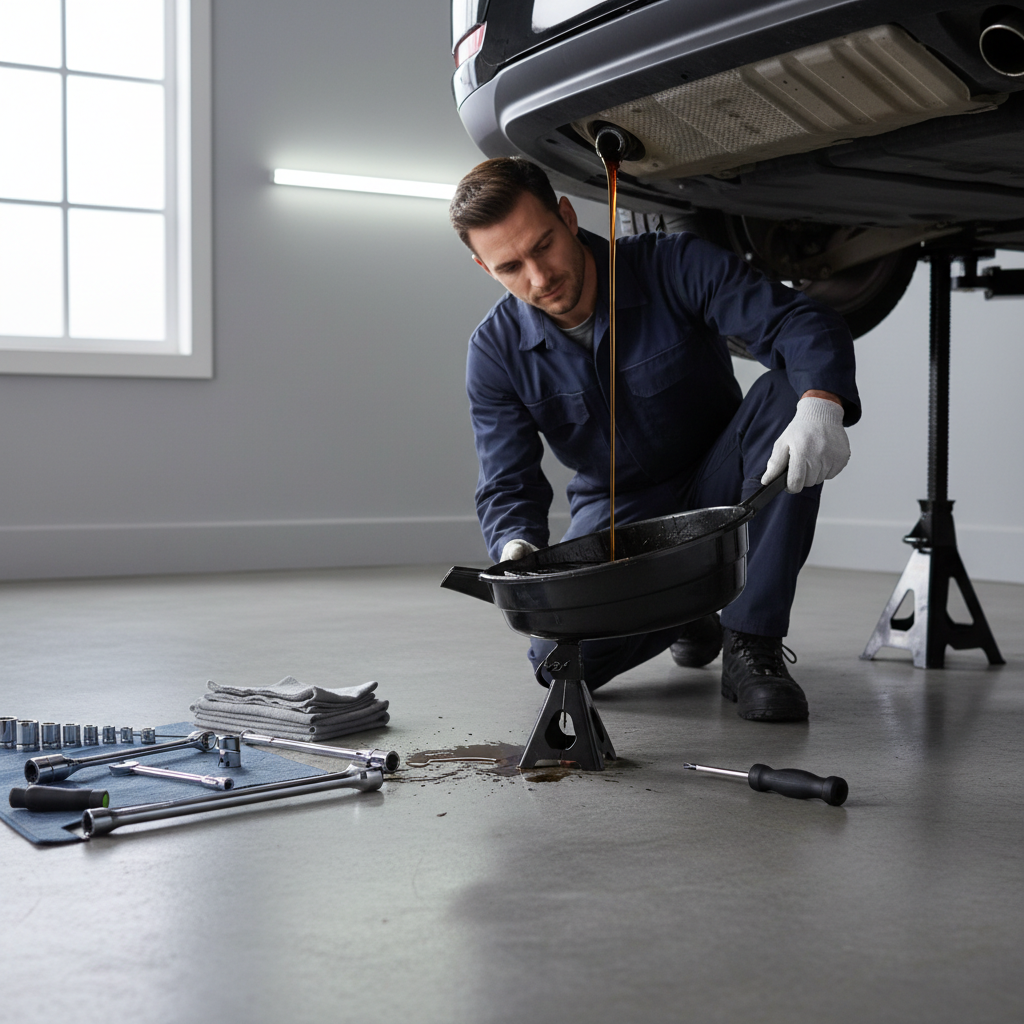
This guide breaks down what actually makes a spouted drain pan work well, how to choose one for your vehicle and space, and a practical routine that keeps things cleaner and safer. I’ll also point out the common “looks fine on the shelf” features that turn annoying once you’re mid-drain.
Why a spout changes the whole oil-change experience
A basic open drain pan can catch oil, sure, but it often fails on the second half of the job: transferring used oil into a jug for recycling. A spout, when shaped and positioned well, turns that part into a controlled pour instead of a gamble.
- Cleaner transfer: A defined spout helps oil flow in one direction rather than sheet across the rim.
- Less splash-back: Better pans use a deeper basin or splash guards that keep oil from sloshing out when you shift the pan.
- More predictable handling: Handles and a balanced design matter when the pan is heavy and slippery.
According to U.S. Environmental Protection Agency (EPA), used oil should be properly managed and recycled, and improper disposal can harm the environment. A spouted pan won’t “fix” disposal, but it makes the recycling step easier to follow through on.
Quick self-check: what kind of drain pan do you actually need?
Before buying, it helps to be honest about your setup, because the “best” pan depends on clearance, oil capacity, and how you plan to store or transport used oil.
A fast checklist
- Ground clearance: Low cars often need a low-profile pan, even if capacity is smaller.
- Oil capacity: Many passenger cars take 4–8 quarts, some trucks and turbo setups may take more.
- Workspace: Tight garage bays benefit from a wider catch area so you don’t have to “aim” as precisely.
- Pouring plan: If you always pour into a narrow 1-gallon jug, you’ll want a spout that fits and doesn’t dribble.
- Storage: Do you want a lid? Or a sealed drain container style pan for transport?
If you only do occasional oil changes and you recycle immediately, a classic open pan with a well-designed spout can be perfect. If you transport used oil across town, a sealable container design may reduce spill risk in the trunk.
What to look for in an oil drain pan with spout (beyond the marketing)
Two pans can both say “spouted,” but behave very differently once they’re full of warm oil. These details usually separate the frustrating ones from the dependable ones.
- Spout geometry: A longer, tapered spout tends to pour cleaner into narrow openings. Short, blunt spouts often dribble down the side.
- Raised pour lip: A slight ridge around the spout can help stop side-flow during slow pours.
- Handle placement: Side handles give better control than a single small grip on a large basin.
- Splash control: Deeper walls or an integrated splash ring help when the stream hits the basin hard.
- Material and stiffness: Cheap thin plastic can flex under load, changing the pour angle at the worst time.
- Drain plug (optional): Some pans include a plug so you can empty without “full-pouring.” Nice feature, but only if it seals well.
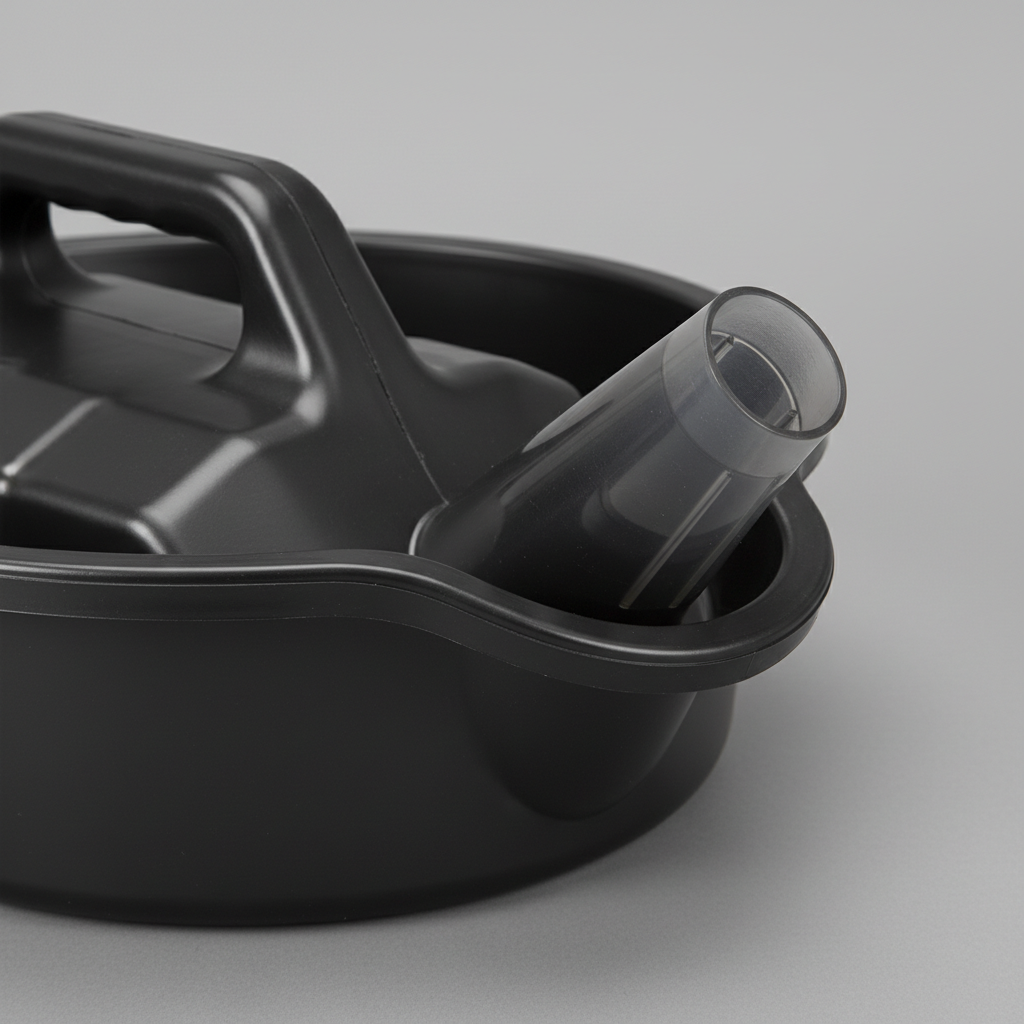
One more thing people underestimate: the catch opening size. In real garages, you’re not always perfectly centered under the drain plug, especially if the stream “walks” as the oil pressure changes. A wider pan can be the difference between a clean job and a cardboard-and-rags situation.
Choosing the right style: open pan vs. drain container with spout
There are two common directions for this tool, and neither is universally better. The right pick depends on whether you prioritize catch area, storage, or transport.
| Type | Best for | Tradeoffs |
|---|---|---|
| Open drain pan with spout | Fast catching, easy positioning, low cost | Needs careful transfer to a jug, more exposed to dust and tip-overs |
| Sealable drain container (with spout/cap) | Transport to recycling center, spill control, storage | Often taller, catch opening can be smaller, may be awkward under low cars |
If your main pain is pouring, a classic oil drain pan with spout plus a funnel may be enough. If your pain is carrying used oil without leaking in the car, the sealable container style starts to make more sense.
How to use a spouted oil drain pan without making a mess
Oil drain pan with spout works best when you treat the job like two separate steps: catch cleanly, then transfer cleanly. Most spills happen when people rush the transfer because they want to finish.
Step-by-step that stays practical
- Set up for the “first surge”: Place the pan slightly behind the drain plug, not directly under it, because the initial stream often shoots outward.
- Give it time: Let the stream slow before repositioning the pan closer to center.
- Stabilize before pouring: Move the pan to a flat spot, wipe the outside rim if it’s oily, then pour.
- Use a funnel when in doubt: Even with a good spout, a funnel reduces the chance of the stream missing a narrow jug opening.
- Pour slow, pause once: Warm oil can “glug” as air displaces; a brief pause helps avoid sudden slosh.
Safety-wise, hot oil can burn skin, and car support mistakes can be dangerous. If you’re unsure about safe jacking points or stability, it’s worth checking your owner’s manual or asking a professional shop to show you the right lift locations.
Mistakes that make spouted pans feel “bad” (even when the pan is fine)
Some frustrations come from the pan, but plenty come from expectations or a small setup mismatch.
- Buying too small: If capacity is tight, you’ll pour early and often, which increases spill opportunities.
- Ignoring clearance: A tall drain container can be great, until it can’t fit under your car without ramps.
- Pouring from the wrong corner: Some pans have a “preferred” pour side, fighting it causes dribble.
- Skipping cleanup: A quick wipe around the spout and rim before pouring prevents that oily stripe down the side.
- Overfilling the jug: Leave headspace; slosh during cap-on transport is real.
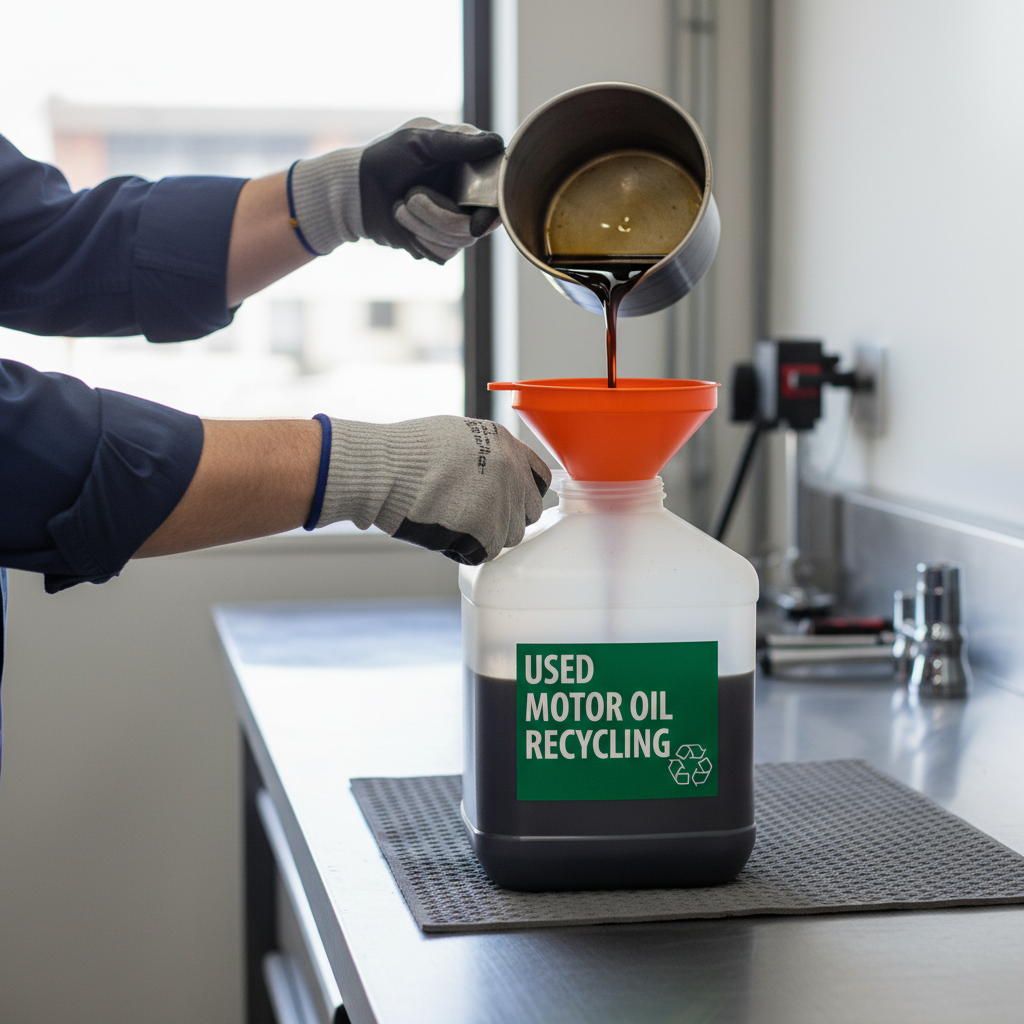
Also, watch for pans where the spout is technically present but too shallow to guide flow. They look fine until you pour slowly and oil creeps along the underside. That’s usually when people decide “spouts don’t help,” when really it’s just a poor spout shape.
When you should consider a different tool or get help
If you routinely work on higher-capacity vehicles, or you do oil changes as part of regular DIY maintenance, an open pan may start to feel limiting. A rolling drain tank or a larger shop-style collector can be safer and cleaner, but they take space and cost more.
- Very tight clearance: You might need low-profile equipment or ramps, and it may be safer to let a shop handle it.
- Stripped drain plugs or stuck filters: Forcing parts can create bigger problems, and a mechanic may save you money long-term.
- Spills you can’t fully clean: Used oil on concrete can be slippery; if it spreads, you may need proper absorbents and disposal guidance.
According to Occupational Safety and Health Administration (OSHA), controlling slip hazards is a core part of workplace safety. Home garages aren’t regulated the same way, but the idea still applies: clean spills quickly and use absorbents to reduce slip risk.
Key takeaways before you buy
- Spout design beats spout presence: tapered, longer spouts usually pour cleaner.
- Match the pan to your car’s clearance and oil capacity, not to a generic “fits most” claim.
- Wide catch area reduces stress when the oil stream shifts.
- A funnel is still your friend if your recycling jug opening is narrow.
Picking a solid spouted pan is less about overthinking and more about avoiding the predictable annoyances: dribble, slosh, and awkward handling. If you want one upgrade that makes DIY oil changes feel less messy, this is usually it, then practice the pour once and you’re basically set.
FAQ
What size oil drain pan with spout should I get for a typical car?
Many passenger cars land in the 4–8 quart range, so a pan that comfortably exceeds your oil capacity helps. If you’re unsure, check the owner’s manual and choose a pan with extra headroom so you’re not pouring while it’s still draining.
Do spouted drain pans really prevent spills?
They can reduce spills during transfer, but they’re not magic. Spills still happen if the spout is too short, the pan flexes, or the jug opening is narrow and you pour fast.
Is a sealable drain container better than an open pan?
For transporting used oil to a recycling location, sealable containers often feel safer. For catching oil under low-clearance vehicles, open pans are frequently easier to position and less likely to interfere with the stream.
Can I pour used oil straight from the pan into the original oil bottles?
You can, but it’s usually slower because the neck is narrow, and it increases the odds of dribble. A funnel helps a lot, and many people prefer a dedicated used-oil jug with a wide mouth.
What’s the safest way to dispose of used motor oil?
Store it in a sealed container and take it to an approved collection site. According to U.S. Environmental Protection Agency (EPA), used oil should be properly managed and recycled, and local rules can vary, so checking your city or county guidance is smart.
Why does oil run along the underside of the spout when I pour?
That’s often a spout shape issue, but it can also be residue on the lip or pouring too slowly at a shallow angle. Wiping the spout edge and slightly increasing the pour angle can make the stream “break” cleanly.
Do I need a drain pan with a screen?
A screen can catch small debris or help prevent splash, but it can also make cleaning more annoying. If you frequently drop drain plugs or washers, a screen can be handy; otherwise, it’s optional.
If you’re trying to make DIY oil changes less messy without turning your garage into a mini shop, a well-designed oil drain pan with spout is a sensible upgrade, and if you tell me your vehicle type and whether you use ramps or jack stands, I can help narrow the style and capacity that usually fits best.