
miter saw blade fine cut is the quickest upgrade you can make when your trim cuts look fuzzy, chipped, or slightly “broken” along the edge.
Trim work punishes small mistakes because everything sits at eye level, tight joints, crisp profiles, bright paint, and gaps that somehow look bigger after caulk. A cleaner blade won’t fix every issue, but it removes one of the most common causes of ugly miters: tear-out and ragged fibers.
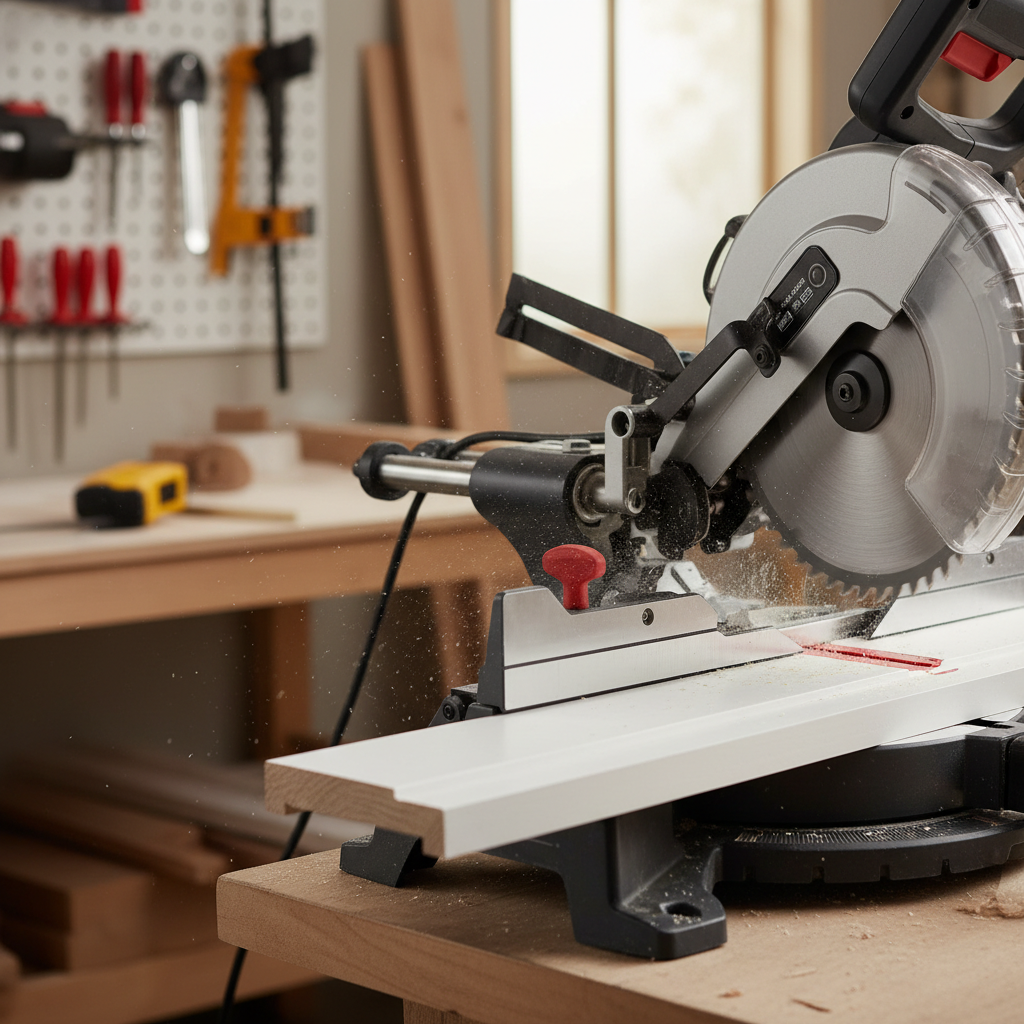
What trips people up is that “fine cut” is not one magic spec. Tooth count matters, sure, but so does grind style, hook angle, and whether the blade matches your saw and the material. This guide helps you pick the right blade and actually get the finish you’re paying for.
What “fine cut” really means for trim (and what it doesn’t)
In trim carpentry, “fine cut” usually means the blade is designed to leave a smoother surface with less splintering, especially on crosscuts. The goal is a cut that needs little to no sanding, and edges that don’t chip when you handle the piece.
What it doesn’t mean is “perfect joints no matter what.” If the saw is out of square, the fence is bowed, the trim is moving, or the stock is twisted, you can still get gaps. The blade is a big lever, but it’s not the only lever.
- Fine-cut trim results: cleaner paint-grade edges, fewer chips in pre-primed MDF, less fuzz in softwood, smoother miters in hardwood.
- Not guaranteed: tighter corners if your angles are off, better coping skill, flatter walls, straighter material.
Why your trim cuts chip out: the common causes
If your cuts look rough, it’s rarely just “bad trim.” More often, it’s one of these real-world issues stacking up.
- Tooth geometry mismatch: a framing-style blade can rip fibers instead of slicing them cleanly.
- Too aggressive hook angle: the blade “grabs” and increases breakout on delicate profiles.
- Dull or dirty blade: pitch buildup acts like a brake, heat rises, edges get furry.
- Weak support: long baseboard whips at the end of a cut, and the last fibers tear.
- Fast, forced feed: pushing down hard can increase deflection and chipping.
According to OSHA, using the correct tool and keeping it maintained is a core part of safer cutting practices, and dull blades can increase the chance of binding or kickback. If you’re seeing grabbing or vibration, treat it as both a quality and safety problem.
Quick self-check: do you need a finer blade or a better setup?
Before you buy anything, run this quick diagnostic. It saves money and usually gets you a better result.
- If the cut is smooth in the middle but chips at the exit, you likely need better backing/support or a better tooth geometry.
- If both edges look fuzzy, the blade may be dull, gummed up, or wrong for the material.
- If joints open when you test-fit, check saw calibration and material movement before blaming the blade.
- If the saw shakes, check arbor, flange cleanliness, and blade flatness.
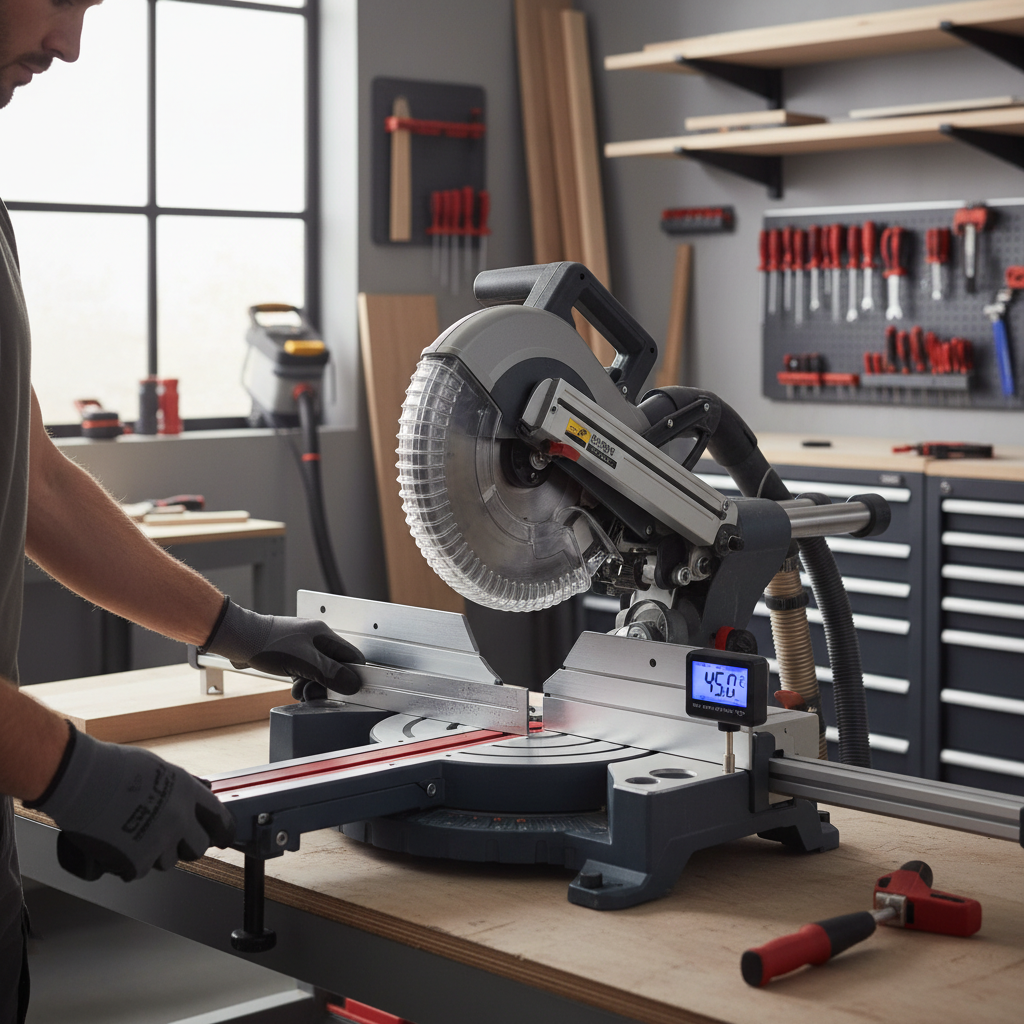
If you’re mostly fighting chipping and fuzz on paint-grade trim, a fine-cut blade helps immediately. If you’re fighting gaps, start with calibration and technique, then upgrade the blade.
Choosing a fine cut blade for trim: specs that actually matter
People over-focus on tooth count, but trim performance comes from a bundle of choices. Here’s what to look at when buying your next miter saw blade fine cut option.
Tooth count (T)
More teeth usually equals a smoother crosscut, with less tearing. On common 10-inch miter saw blades, many trim-focused blades land in a higher-tooth range; on 12-inch blades, you’ll often see higher counts as well to keep the tooth spacing tight.
Grind (ATB, Hi-ATB, TCG)
- ATB (Alternate Top Bevel): a common “clean crosscut” grind for wood trim.
- Hi-ATB: often cleaner on veneer and delicate faces, but can be more fragile on nails or grit.
- TCG (Triple Chip Grind): often better for plastics and some composites, not always the first pick for classic wood trim.
Hook angle
Lower or slightly negative hook angles tend to feel less grabby on a miter saw, especially on light stock like casing. Higher hook angles can cut faster, but can be harsher on fragile edges.
Kerf thickness and stability
Thin-kerf blades can cut with less load, which helps smaller saws, but they may deflect more if you push hard or if the saw has play. Full-kerf blades tend to track straighter, but they demand more from the motor.
Match the blade to the material
MDF baseboard, finger-jointed pine, poplar, prefinished hardwood, and PVC trim each behave differently. Many crews end up with two “finish” blades: one tuned for wood, another for plastic/composite, because a single blade rarely feels perfect on everything.
Practical recommendations by trim scenario (with a comparison table)
Use this as a buying shortcut. It’s not brand-specific on purpose, because availability changes and specs tell you more than packaging claims.
| Trim scenario | Blade traits to prioritize | Why it helps |
|---|---|---|
| Paint-grade MDF baseboard/casing | High-tooth crosscut blade, low-to-moderate hook, sharp ATB/Hi-ATB | Reduces fuzzing and edge blowout on brittle faces |
| Stain-grade hardwood (oak, maple) | High-tooth, stiff plate, full-kerf if saw allows, smooth crosscut grind | Cleaner end grain, fewer micro-chips that show under finish |
| Pre-finished trim | Very clean crosscut geometry, controlled feed, excellent runout tolerance | Avoids chipping the factory finish at the exit |
| PVC/composite trim | Blade designed for plastic/composite, controlled hook, easy chip evacuation | Reduces melting, grabbing, and rough “rolled” edges |
Key takeaway: if your work is mostly paint-grade interior trim, you’ll feel the difference most from a cleaner crosscut geometry and a calmer hook angle, not just “more teeth.”
Setup and technique: how to get cleaner miters with the blade you have
A great blade still needs a decent setup. These are the adjustments that most often translate into visible improvement.
- Support the offcut: use extension wings or a stand so the trim stays flat through the cut.
- Use a sacrificial backer: a straight board behind the trim supports fibers at the exit and reduces tear-out.
- Let the saw reach full speed: entering the cut early can increase chipping.
- Feed pressure light, steady: forcing the head down can flex the blade and widen the cut.
- Clamp small pieces: short returns and shoe molding pieces move easily, and movement ruins edges.
For saw setup, check that the fence is straight, the table is clean, and the miter and bevel detents land where they should. According to the manufacturer manuals (often published by brands like DeWalt, Makita, and Bosch), calibration checks are part of routine maintenance; follow your specific model’s instructions because adjustment points vary.
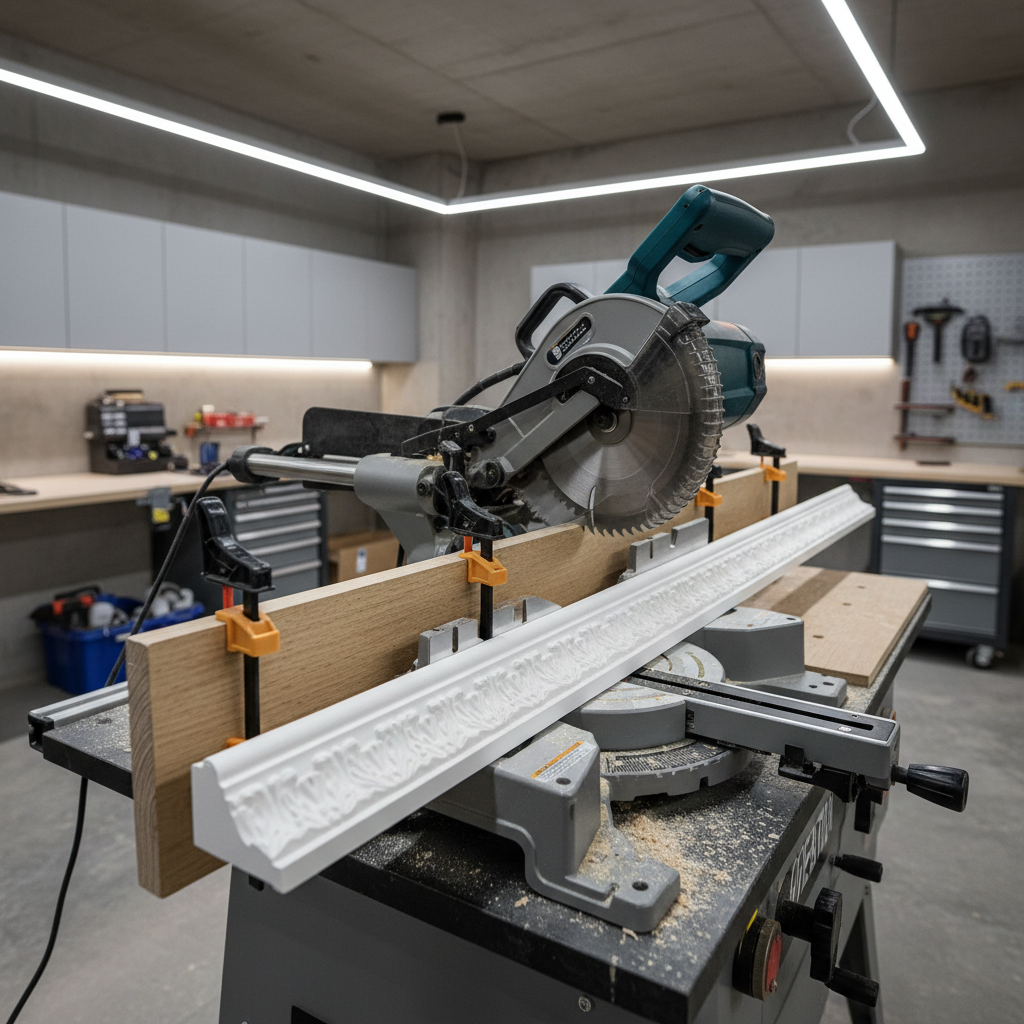
If you’re chasing perfect miters on crown, it’s worth making a few test cuts from scrap and labeling the “real” angle that fits your walls. A fine-cut blade makes those tests easier to read because the edge isn’t hiding the truth with tear-out.
Mistakes that waste money (and how to avoid them)
These come up a lot, especially when someone buys a premium blade and expects it to fix everything.
- Buying the highest tooth count available: too many teeth can cut slower, heat up more, and feel “polished” but not necessarily straighter.
- Ignoring runout: a slightly bent blade, dirty flange, or debris on the arbor can cause wobble that no tooth geometry can hide.
- Using finish blades on construction debris: hitting nails, screws, or sandy trim dulls fine teeth fast.
- “Fixing” rough cuts with heavy sanding: sanding can round crisp profiles, then miters look soft even if they close.
If your saw starts pulling into the cut, bogging down, or leaving burn marks, stop and reassess. In many cases the blade needs cleaning or sharpening, but binding and kickback risk can also rise, so it may be smart to consult a qualified technician or experienced carpenter if you’re not sure what you’re seeing.
Conclusion: the simplest path to cleaner trim cuts
A miter saw blade fine cut is worth it when trim edges chip, fuzz, or look torn, especially on MDF and prefinished stock. Pick a blade designed for clean crosscuts, keep the saw calibrated, and add a backer and better support before you chase exotic specs.
If you want one action that pays off today, clean your current blade, make a few test cuts with a sacrificial backer, and only then decide whether a higher-quality fine-cut option solves the remaining issues.
FAQ
What tooth count is considered “fine cut” for a miter saw?
It varies by blade diameter, but fine-cut trim blades typically use a higher tooth count than general-purpose blades. Use tooth geometry and hook angle as co-equal decision points, not tooth count alone.
Will a fine cut blade fix gaps in my corners?
Sometimes it helps indirectly by producing cleaner, more readable edges, but gaps usually come from angle error, saw calibration, or walls not being square. Check those before blaming the blade.
Is a thin-kerf fine cut blade okay for trim work?
Often yes, especially on smaller saws, but thin-kerf blades can be more sensitive to flex if you push hard or the saw has play. If your cuts wander, a stiffer plate or full-kerf may behave better.
Can I use the same fine cut blade for wood trim and PVC trim?
You can, but results vary. PVC can melt or leave a rough edge depending on geometry and feed rate, so many people keep a separate blade intended for plastic/composite materials.
How do I know my blade is dull if it still cuts?
Common signs include more tear-out than usual, increased feed pressure, burning on hardwood, or the saw feeling grabby. Pitch buildup can mimic dullness, so cleaning is a smart first step.
Do I need to clamp trim on a miter saw?
For long pieces you can often hold safely with proper support, but short pieces, returns, and narrow profiles tend to shift. Clamping reduces movement and can improve edge quality, and it may also reduce safety risk.
If you’re deciding between a couple fine-cut blades and want a more “no-drama” choice for your specific trim material and saw size, it can help to share what you’re cutting (MDF, poplar, oak, PVC) and your blade diameter, then narrow the specs to something that fits your day-to-day work.