
A wire wheel brush for drill is one of the quickest ways to strip rust and flaky paint when you want results without hauling out a bench grinder or paying for blasting.
The catch is that “quick” can turn into “messy” or even “unsafe” if the brush style, wire type, or drill speed doesn’t match the job, and that’s where most DIY frustration comes from.
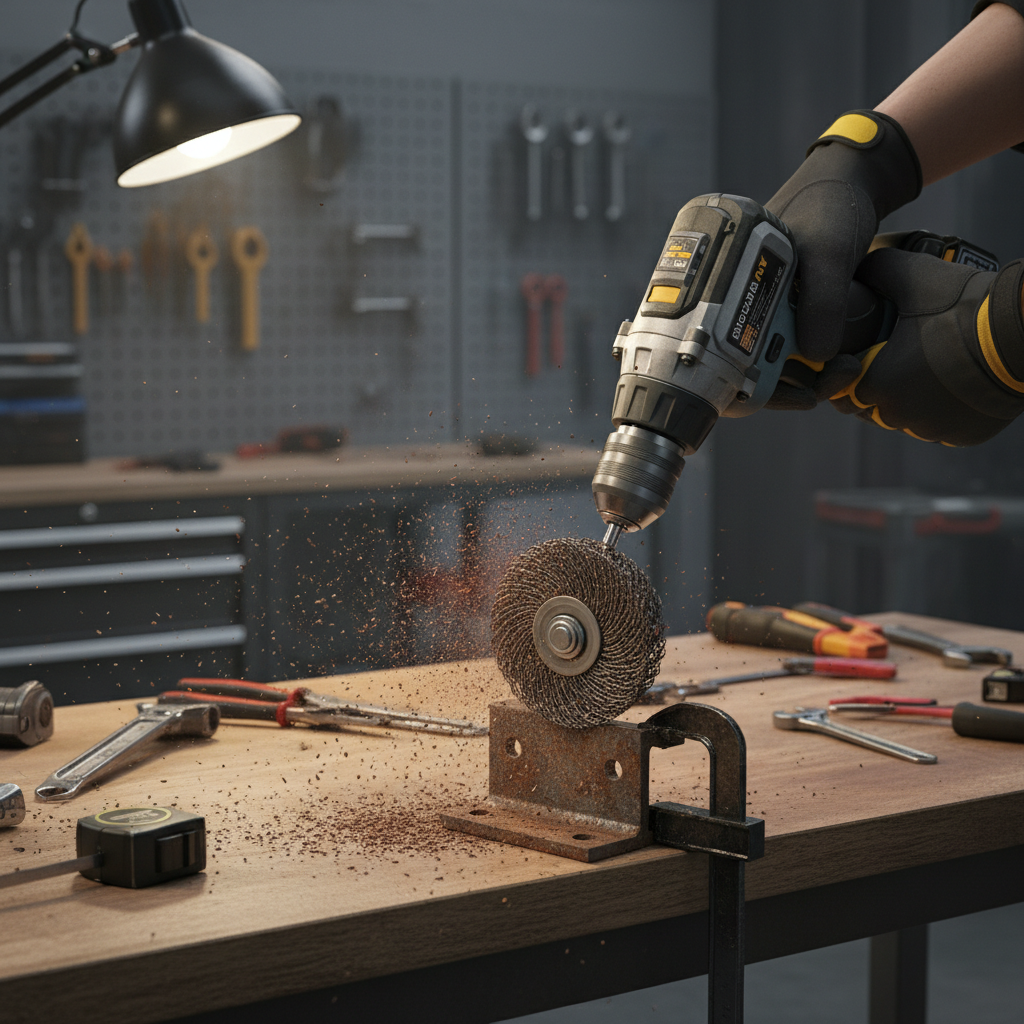
This guide breaks down what actually matters when you’re cleaning rust with a drill-mounted wheel, how to avoid common damage, and a simple workflow you can repeat on tools, brackets, hardware, and auto parts.
Why drill wire wheels work (and when they disappoint)
Rust is a surface problem until it isn’t, and a drill wheel is basically a controlled abrasion tool, it scrubs oxidation and loose scale fast while you keep one hand on the work.
Where people get disappointed is usually one of these situations:
- Deep pitting: the red rust comes off, but black pits remain, because the metal itself has already been eaten away.
- Paint + rust layers: a light wheel will skate over thick coatings and feel like it “does nothing.”
- Soft metals: aluminum, brass, thin sheet metal can get gouged or smeared if the wire is too aggressive.
- Wrong drill behavior: a low-torque drill stalls, a high-speed drill overheats the area and throws wires sooner.
Think of a wire wheel as the middle ground, more aggressive than hand sanding, less aggressive than grinding, and for many home jobs that’s exactly the sweet spot.
Picking the right wire wheel brush for your drill
Selection is where you win time. The right brush feels almost boring because it just works, the wrong one chatters, sheds, and leaves swirl marks that take forever to sand out.
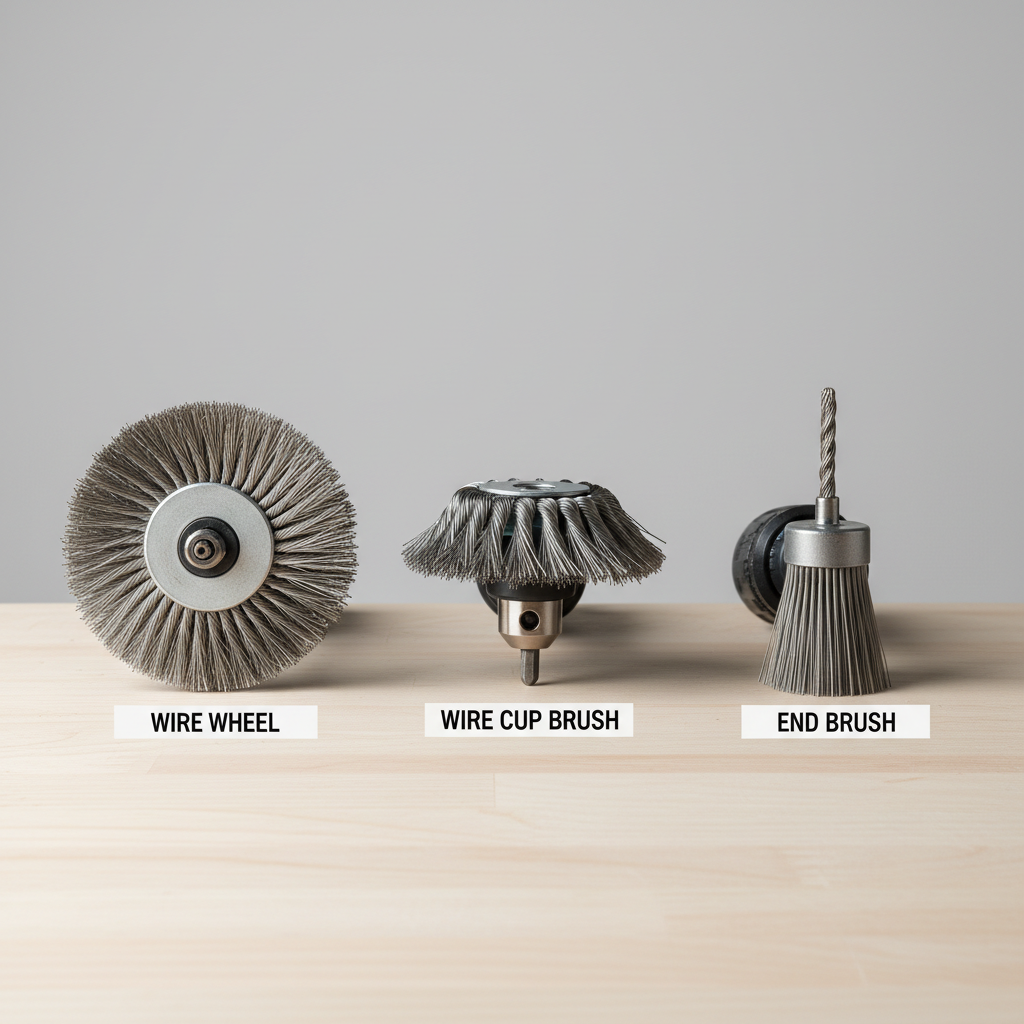
Wheel shape: cup vs wheel vs end brush
- Wire wheel: best for flat surfaces and edges, easier to control your “attack angle.”
- Wire cup brush: covers more area, good for larger flat panels and uneven surfaces, can be more aggressive.
- End brush: gets into corners, seams, tight recesses, slower coverage but higher access.
Wire type: crimped vs twisted
- Crimped wire: more flexible, smoother finish, better when you want to avoid chewing up base metal.
- Twisted/knotted wire: more bite, faster on heavy rust and scale, easier to leave scratches if you linger.
Material: carbon steel vs stainless vs brass-coated
- Carbon steel wire: common, cost-effective, great for general steel cleaning, avoid on stainless if you care about contamination.
- Stainless wire: helpful for stainless work or where rust transfer matters, usually pricier but cleaner for that use.
- Brass-coated: often positioned as “softer,” still abrasive, can be a decent compromise for lighter-duty cleanup.
Arbor and size: the details that stop wobble
Match the shank size to your chuck, and don’t force a large wheel onto a small drill just because it fits. Wobble typically comes from a slightly bent shank, cheap stamping, or a wheel diameter that’s too big for your drill’s stability.
Also check the brush’s rated RPM and keep your drill below that number. According to OSHA, abrasive tools should be used within the manufacturer’s rated speed to reduce failure risk.
Quick self-check: what brush and approach do you need?
If you’re standing in the aisle (or scrolling online) and unsure, use this quick filter. It’s not perfect, but it prevents the most common mismatch.
- Light surface rust on tools or bolts: crimped wheel or cup, moderate speed, quick passes.
- Flaky rust scale on brackets, frames, outdoor hardware: twisted wheel or a stiffer cup, slower controlled pressure.
- Tight corners, weld seams, grooves: end brush, smaller diameter, take your time.
- Thin sheet metal (car body patches, ducts): crimped wire, lower speed, avoid staying in one spot.
- You need paint-ready finish: wire wheel first, then sanding or conditioning disc, don’t expect the wheel to “finish.”
If you’re seeing deep black pitting after cleaning, that’s usually not “remaining rust,” it’s missing metal. At that point you’re choosing between living with the pits, filling, or replacing the part.
How to remove rust with a drill wire wheel (step-by-step)
This is the workflow that stays efficient without beating up the metal. The main idea is short, controlled passes, and re-checking often so you don’t overdo it.
- Prep the area: clamp the workpiece if possible, clear flammables, and cover nearby items you don’t want peppered with rust dust.
- Set your speed: start medium, then adjust, high speed often sheds wires faster and makes the tool harder to control.
- Use a light touch: let the wire tips do the work, pushing hard tends to polish rust rather than remove it and heats the surface.
- Keep moving: overlap passes, avoid dwelling on edges where gouges happen easily.
- Switch attachments: wheel for flats, end brush for corners, don’t fight geometry.
- Wipe and inspect: wipe dust, then decide whether you need another pass, a more aggressive brush, or a different tool.
- Protect the metal: bare steel flash-rusts quickly in humid air, prime, oil, or coat soon after cleaning.
One practical tip people skip: after wire-wheeling, a quick wipe with a suitable solvent for your coating system can help remove residue before primer or paint. If you’re unsure what’s compatible, check the paint manufacturer’s prep notes.
Safety and cleanup that actually matter
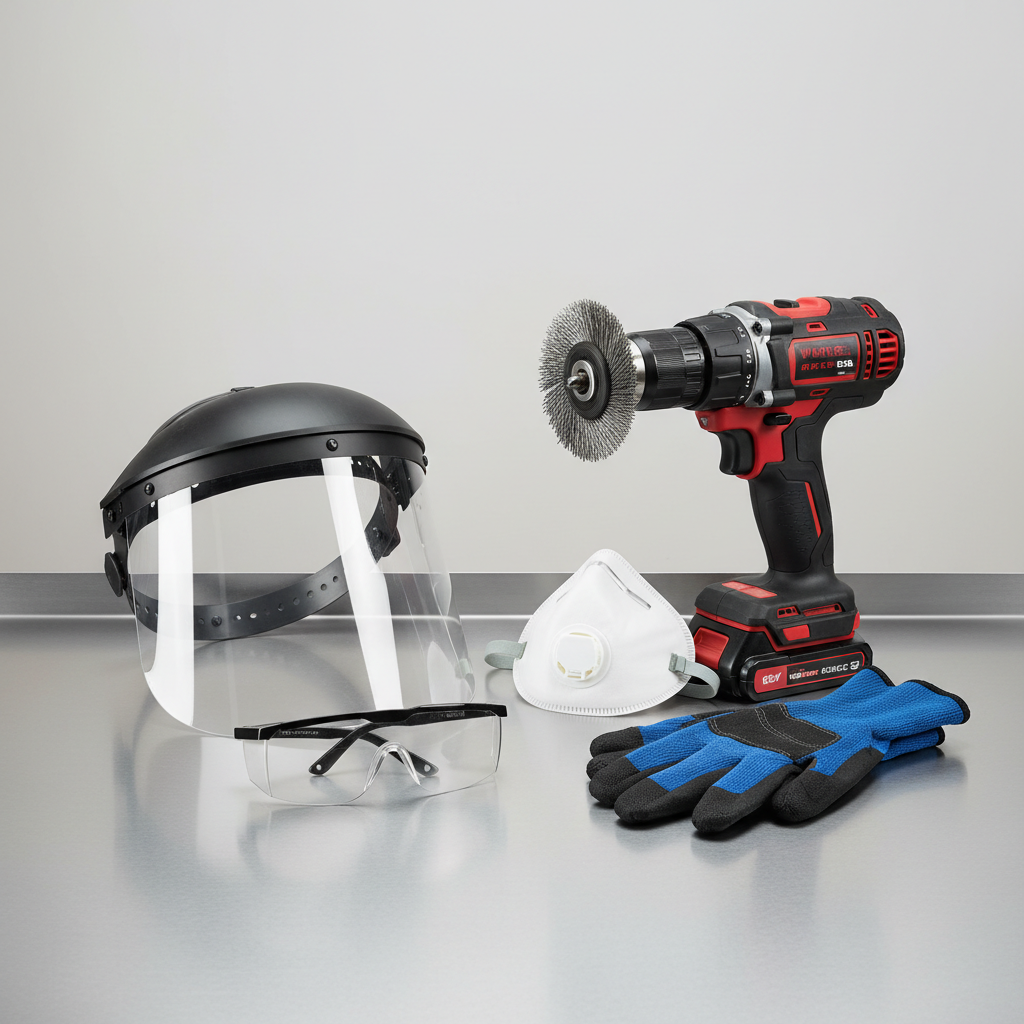
Wire wheels can throw broken wire strands like tiny needles, it’s not dramatic until one hits your shirt or cheek, then you remember it forever.
- Eye protection: non-negotiable, a face shield is even better when you’re leaning in close.
- Gloves: helpful, but keep them snug, loose gloves can catch on rotating tools.
- Respiratory protection: rust and paint dust can irritate lungs, especially with old coatings; if you suspect lead paint, consider professional guidance. According to CDC, lead dust exposure is a serious health risk and should be handled with appropriate precautions.
- Secure the work: a clamped part reduces grabbing and kickback.
- Brush inspection: if the wheel is shedding heavily, wobbling, or missing chunks, replace it.
Cleanup stays manageable if you put down a drop cloth and vacuum with a shop vac afterward. Sweeping often just redistributes fine dust.
Comparison table: which brush for which rust job?
Use this as a quick chooser, then fine-tune based on the metal thickness and how perfect the finish needs to be.
| Job | Recommended attachment | Why it fits | Watch-outs |
|---|---|---|---|
| Light rust on hand tools | Crimped wire wheel | Fast cleanup, less scratching | May not remove heavy scale |
| Heavy flaky rust on steel brackets | Twisted wire cup | More aggressive bite | Can gouge thin edges |
| Corners, seams, tight spots | End brush | Access where wheels can’t reach | Slower, heats small areas |
| Thin sheet metal | Crimped cup (smaller diameter) | Controlled abrasion, wider contact | Easy to warp finish if you linger |
| Stainless steel cleanup | Stainless wire wheel | Reduces contamination risk | Still can scratch cosmetic surfaces |
Common mistakes (and the small fixes that save time)
Most “wire wheel doesn’t work” stories are really process issues. A few tweaks usually change the result immediately.
- Running max speed all the time: try backing off, control improves and the brush tends to last longer.
- Pressing hard: switch to a more aggressive wire style instead of leaning into it.
- Expecting a paint-ready finish: plan a second step, like sanding, a non-woven conditioning disc, or primer that can tolerate profile.
- Skipping rust protection: bare steel can flash-rust fast, even indoors, especially in humid regions.
- Using one brush for everything: flats, corners, and seams are different problems, swapping attachments is faster than forcing it.
Key takeaways if you only remember a few things: match brush aggressiveness to rust severity, keep speed reasonable, don’t grind in one spot, and protect the cleaned metal quickly.
When you might need a different tool or a pro
A drill wire wheel is great for many home and shop tasks, but it’s not the answer to every rust situation.
- Structural corrosion (auto frames, load-bearing parts): consider a qualified mechanic or fabricator, safety matters more than cosmetics.
- Lead paint or unknown coatings: get advice on safe removal methods, especially indoors or around kids.
- Large flat panels: you might prefer an angle grinder with a flap disc or a surface conditioning disc for consistent finish, if you’re comfortable using it.
- Precision surfaces (shafts, bearing seats): abrasives can change tolerances, a machine shop may be the safer route.
Conclusion: a practical way to get clean metal fast
A wire wheel brush for drill earns its keep when you pick the right wire style and treat it like a controlled scrub, not a grinding wheel. If your goal is to knock back rust quickly and prep for primer, paint, or a protective oil, this is a very workable setup for most garages.
Action-wise, start with a crimped wheel for lighter rust, keep a small end brush for corners, then add a more aggressive twisted cup only when the surface really calls for it.
FAQ
What is the best wire wheel brush for drill rust removal?
For most light-to-moderate rust, a crimped wire wheel is a safe starting point because it cleans quickly without being overly aggressive. For thick scale, a twisted cup brush often works faster, but it can leave deeper marks.
Will a wire wheel damage metal?
It can, especially on thin sheet metal or soft alloys. Lower speed, lighter pressure, and a crimped wire style reduce the chance of gouging, and checking your progress often helps you stop at the right time.
Can I use a wire wheel brush for drill on stainless steel?
Many people do, but if you care about avoiding embedded carbon steel particles, choose a stainless wire brush dedicated to stainless work. Mixing brushes across metals is where contamination issues tend to show up.
Why does my wire wheel throw wires everywhere?
Some shedding is normal, heavy shedding often points to overspeeding, too much pressure, or a low-quality wheel. Verify the rated RPM, reduce speed, and replace brushes that wobble or look uneven.
How do I prevent flash rust after cleaning?
Plan your protection step before you start cleaning. Priming, painting, applying a rust inhibitor, or even a light oil film can help, timing matters more than people expect in humid weather.
What drill speed should I use with a wire wheel?
It depends on the brush rating and the surface, but medium speed is a common “control-first” choice. Staying under the brush’s max RPM and adjusting based on chatter and heat tends to be safer than running full throttle.
Is a drill wire wheel better than sanding?
For flaky rust and rough surfaces, it’s usually faster than hand sanding. For a smooth, paint-ready finish, sanding or a conditioning disc often still plays a role after the wheel removes the bulk.
If you want a more reliable, less fussy setup
If you’re spending more time swapping worn brushes and re-sanding scratches than actually cleaning, it may help to choose a small set of purpose-matched attachments, a crimped wheel for general cleanup, an end brush for corners, and a tougher cup for heavy scale, so the drill does the work without turning the job into a redo.