
Best tool chest for home garage shopping usually goes sideways for one reason: the chest looks roomy in photos, then your sockets, power tools, and odd-shaped cases don’t actually fit the way you expected.
If you want a setup that stays organized past the first weekend, you need to match drawer layout, weight capacity, and footprint to how you really work in the garage, not how the marketing image looks. The “right” pick is often less about brand and more about sizing and construction choices that won’t annoy you every time you open a drawer.
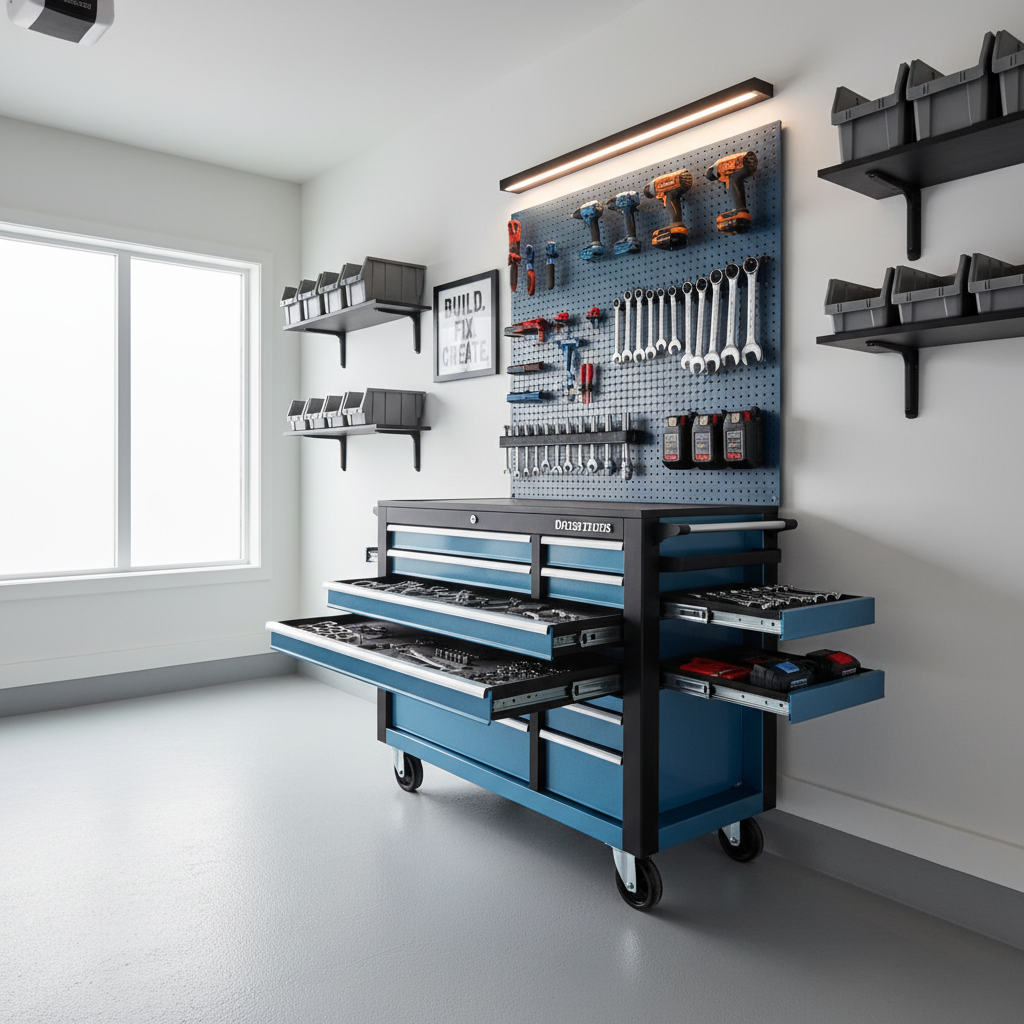
Below is a practical way to choose a tool chest that fits a typical U.S. home garage in 2026, with a quick comparison table, a self-check list, and a few “don’t fall for it” traps that waste money.
What “best” really means for a home garage tool chest
For most homeowners, the best chest is the one that keeps daily tools reachable, heavy tools safe, and the garage floor clear. That usually comes down to three constraints: space, weight, and workflow.
- Space: footprint (width/depth), clearance to open drawers, and whether you need to roll it past a car.
- Weight: drawer load ratings, caster rating, and how stable it stays when a top drawer is packed.
- Workflow: drawer heights that match what you own, plus a top surface that you’ll actually use.
According to OSHA, good housekeeping and proper storage help reduce trip hazards and other shop injuries, which is a quiet benefit of having a chest that encourages you to put tools away instead of stacking them on benches.
Quick comparison table: common tool chest types (and who they fit)
Most “best tool chest for home garage” searches are really about picking the right category. Use this as a starting point, then dial in size and features.
| Type | Typical width | Best for | Trade-offs |
|---|---|---|---|
| Rolling cabinet (single) | 26–42 in | Most home garages, mixed hand tools | Top surface smaller than a full workbench |
| Combo (top chest + roller) | 36–72 in | Large collections, organized drawers by category | Higher center of gravity, more wall height needed |
| Workstation chest (built-in wood/stainless top) | 46–72 in | DIYers who need a real work surface | Heavier, often costs more per drawer |
| Modular system (stacking units) | Varies | Small garages, future expansion | Can feel cramped for long tools |
Key factors that actually matter (and what to ignore)
Specs are noisy. These are the ones that tend to show up in day-to-day use.
1) Drawer slides and real-world drawer capacity
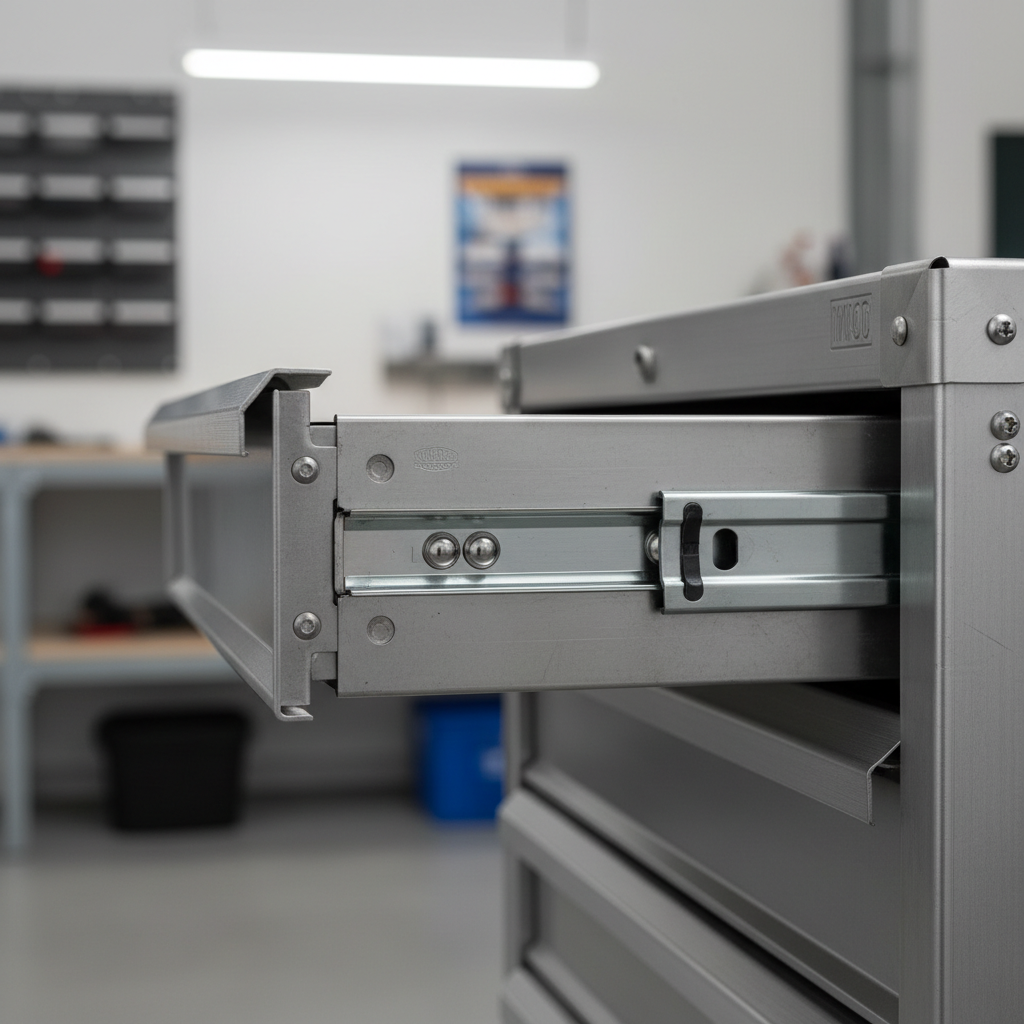
Ball-bearing slides are common, but the difference is in how they feel under load and whether drawers stay smooth after a year of dust. Look for drawers that fully extend so you can see what’s in the back, especially for sockets and pliers.
- Pay attention to: full-extension slides, easy-close without slamming, minimal side-to-side wobble.
- Be skeptical of: “high capacity” claims without clear per-drawer ratings or warranty support.
2) Steel gauge, frame rigidity, and why “thicker” isn’t everything
Thicker steel usually dents less, but rigidity also comes from how the cabinet is folded, braced, and welded or riveted. A well-built mid-gauge cabinet can outlast a heavier one with sloppy drawer alignment.
If you can, look at the cabinet in person and tug a drawer side-to-side. If it racks easily when empty, it won’t improve when loaded.
3) Drawer layout that matches your tool mix
Most garages need a mix of shallow drawers (hand tools), medium drawers (power tools, cases), and at least one deep drawer (bulk items, larger tools). A chest with only shallow drawers looks organized until you try to store a drill, impact driver, and charger without stacking.
- Shallow drawers: sockets, wrenches, screwdrivers, pliers, measuring tools.
- Medium drawers: drills, impacts, sanders, electrical testers in cases.
- Deep drawer or bottom bay: sawzall, nailer, specialty automotive tools, bulk boxes.
4) Casters, stability, and garage-floor reality
If your floor has cracks, slope, or you roll over expansion joints, small hard casters can feel rough and make a loaded cabinet twist. Larger casters tend to roll easier and reduce “drawer creep” when the cabinet isn’t perfectly level.
Also check that at least two casters lock, and that the lock actually stops both rolling and swiveling, many people assume it does and then wonder why the chest drifts.
5) Locking, safety, and kids in the house
A locking system is not just about theft. In a family garage, it can help prevent curious hands from pulling out a heavy drawer. This is a place to be realistic: a basic lock deters casual access, but it’s not a safe.
According to CPSC, tip-over hazards are a known safety issue for heavy furniture and storage units. A wide stance, quality casters, and not overloading top drawers can reduce risk, and in some situations anchoring solutions may be worth discussing with a professional.
Self-check: pick the right size in 3 minutes
Before you buy anything, answer these quickly. This tends to sort people into the right chest size without overthinking.
- How much wall width can you spare? Measure with the car parked where it normally sits.
- Do you want a worktop? If yes, pick a model with a durable top, not a thin lid you’ll stop using.
- What’s your heaviest drawer? Think sockets + ratchets + torque wrench, or automotive specialty tools.
- Do you own bulky power tools in cases? If yes, plan for 2–4 medium drawers or one deep drawer.
- Will you move it often? If you roll it outside, larger casters matter more than an extra drawer.
- Do you need expansion later? If your tool collection grows fast, modular can be less painful.
Rule of thumb: if you’re already stuffing tools into random bins, you’ll outgrow a narrow cabinet quickly. Many homeowners land happily in the 36–56 inch range, but your garage footprint should make the call.
Practical recommendations by common home-garage scenarios
This is where “best tool chest for home garage” becomes personal. Here are typical situations and what to prioritize.
Small garage or shared parking space
- Choose a 26–42 inch rolling cabinet or a modular stack that stays tight to the wall.
- Prioritize full-extension drawers so you don’t lose tools in the back.
- Skip bulky side lockers unless you’ve measured door swing and clearance.
DIY homeowner who uses the garage as a weekend shop
- Look for a workstation-style top you won’t baby.
- Get at least one deep drawer for power tools and boxed items.
- Plan organization around your projects: fasteners, electrical, paint, plumbing, automotive.
Automotive-heavy setup (oil changes, brakes, detailing)
- Prioritize higher drawer load ratings and stability with drawers open.
- Make room for long tools and specialty items: breaker bars, creeper accessories, fluid pumps.
- Consider chemical storage separately; keep flammables in appropriate containers and locations per local guidance.
How to set it up so it stays organized (not perfect, just workable)
Even the nicest chest turns into a junk drawer if setup stops at “throw tools in.” Aim for a layout that matches how you reach for tools during a job.
- Top two drawers: daily-grab items, most-used sockets, drivers, tape, utility knife.
- Middle drawers: pliers, specialty drivers, electrical, measuring and marking.
- Lower drawers: heavier items, power tools, cases, odd-shaped tools.
- Label lightly: painter’s tape works fine at first, adjust after a few projects.
Key point: don’t overbuy organizers on day one. Live with the drawer layout for a month, then add foam, rails, or trays where friction shows up.
Mistakes that waste money (and how to avoid them)
- Buying for “number of drawers” instead of drawer height: ten shallow drawers can be less useful than six mixed-depth drawers.
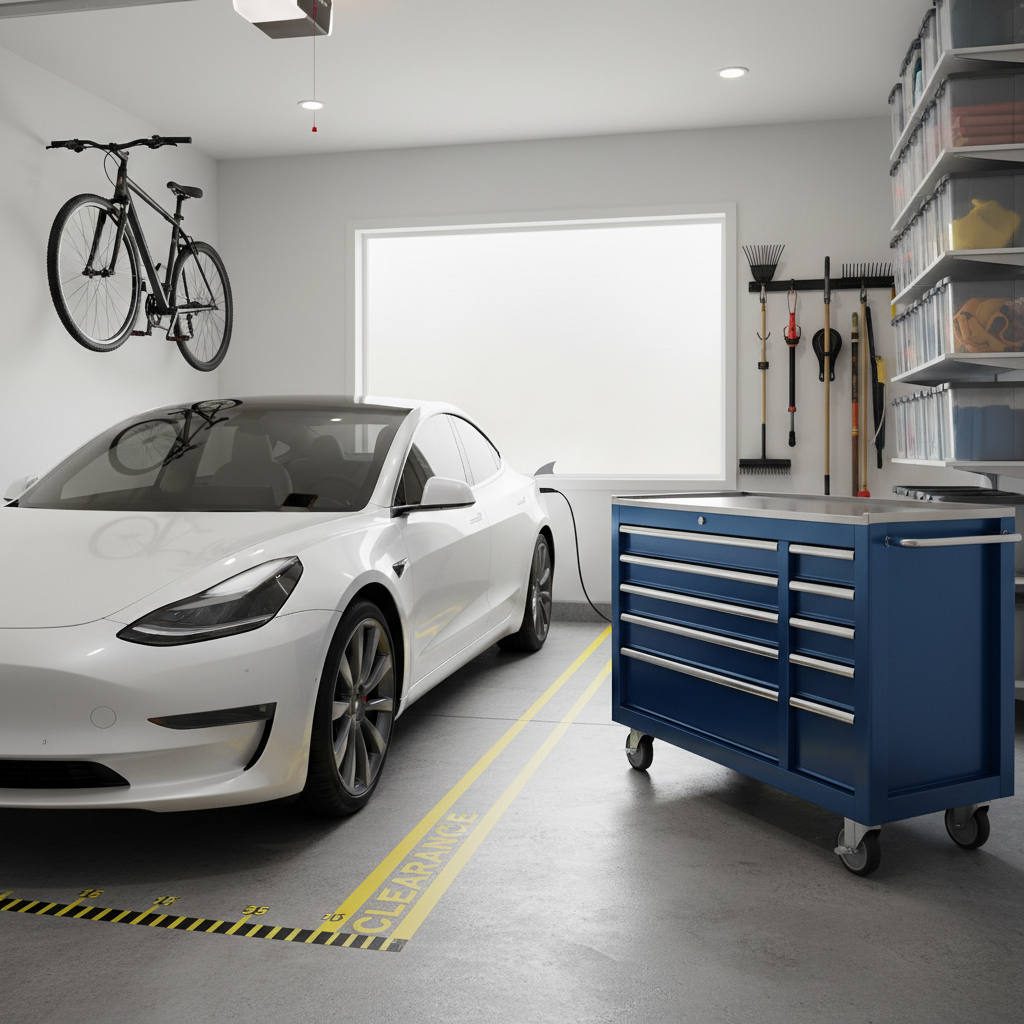
- Ignoring access clearance: drawers need space to open, and you need space to stand without bumping a bumper or bike.
- Overloading the top drawer: this is a common path to sticky slides and a tippy feel.
- Assuming any lock is childproof: it helps, but supervision and smart placement still matter.
- Forgetting the workflow: if your drill lives in the back corner, you’ll stop putting it away.
Conclusion: how to choose confidently in 2026
The best tool chest for home garage use in 2026 is the one that fits your space, carries your heaviest drawer without drama, and has a drawer mix that matches how you store power tools and hand tools in real life.
If you only do two things this week, measure the wall space with the car in place, then list your bulkiest tools and their case sizes. With those two inputs, you can filter out most “looks good online” options and buy something you won’t replace soon.