
Choosing a drill bit set wood metal sounds simple until you’re staring at split wood, squealing metal, or a bit that snaps the second it bites.
A good multi-purpose set can save time and frustration, but “multi-purpose” also gets abused as a label. Some sets are genuinely versatile, others are just mixed assortments with no clear plan.
This guide breaks down what actually matters for drilling wood and metal, how to tell if your current set fits your projects, and what to do when the material fights back.
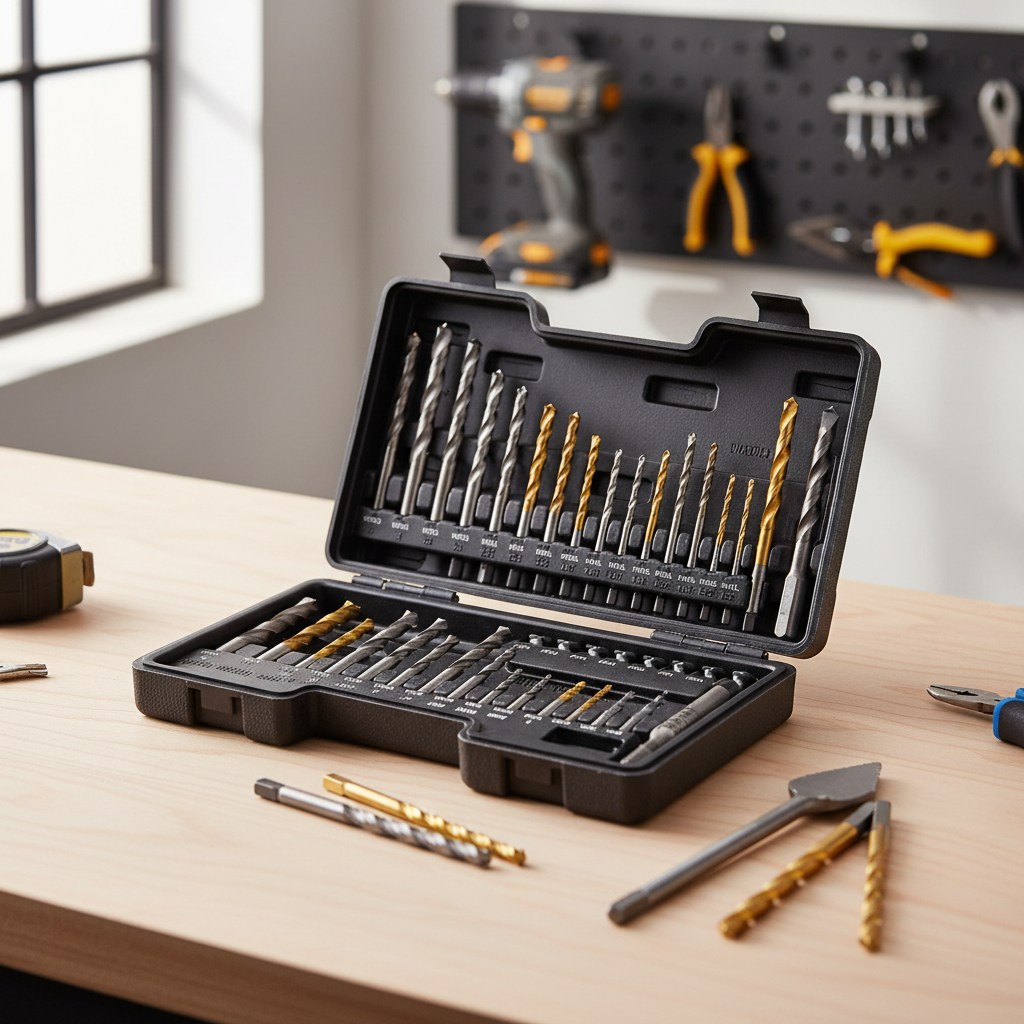
Why drilling wood and metal feels so different
Wood is forgiving until it isn’t. Softwoods tend to drill fast, but they tear out at the exit side, hardwoods burn if you rush, and plywood can splinter along the veneer.
Metal is a different game: heat and friction climb fast, the bit wants to skate, and the wrong speed can dull the cutting edge in a couple holes.
- Heat is the main enemy in metal; it accelerates dulling and can discolor the workpiece.
- Chip clearing matters in both; clogged flutes cause burning in wood and binding in metal.
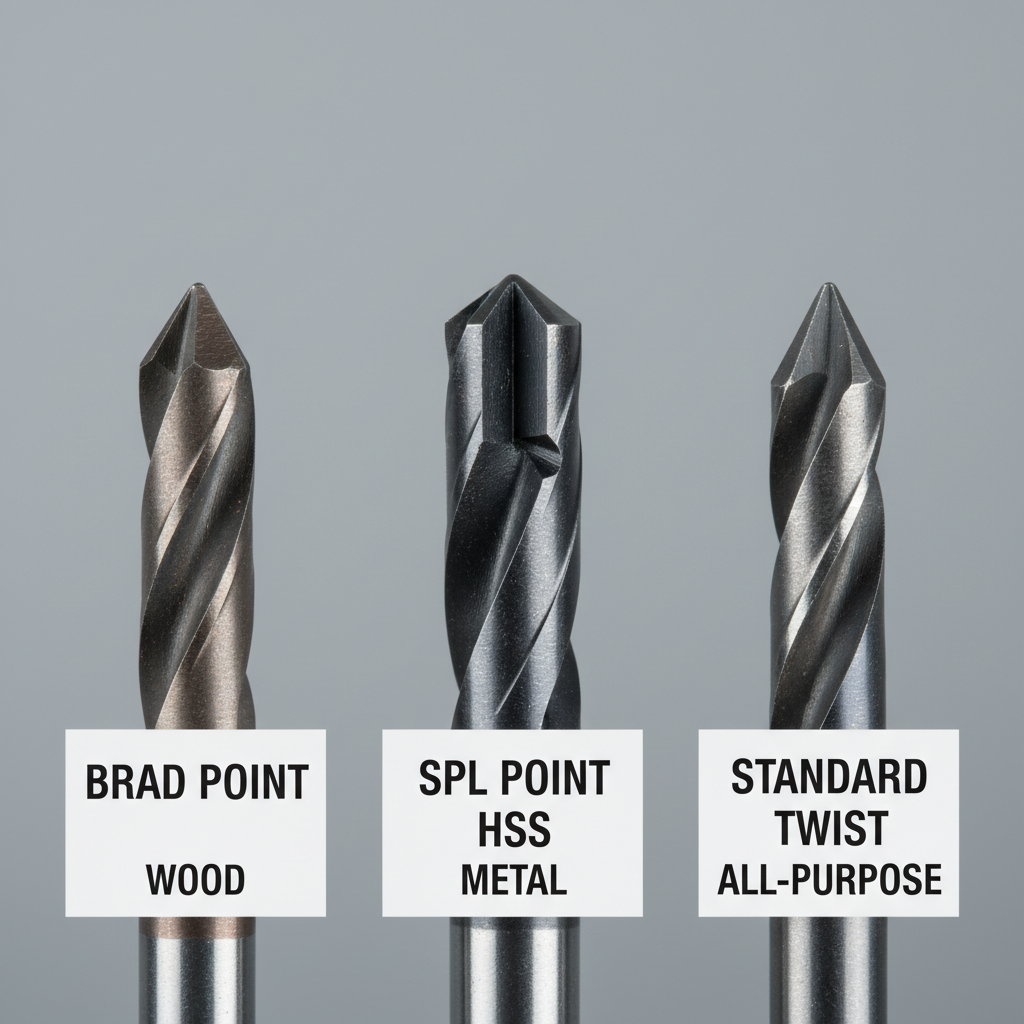
- Bit geometry changes the result: a brad point centers cleanly in wood, a split point helps start holes in metal.
According to OSHA, using the correct tooling and securing the workpiece reduces the chance of kickback and tool-related injuries, which is easy to overlook on quick weekend jobs.
What “multi-purpose” usually means (and what it should mean)
In many sets, “multi-purpose” really means you get a handful of general-purpose twist bits, sometimes with a couple specialty bits tossed in. That can work for light DIY, but it has limits.
What it should mean: a coherent range of sizes, a steel grade and coating that handle metal without giving up instantly, plus at least one wood-friendly option for cleaner starts.
Common bit types you’ll see in a wood/metal set
- HSS (High-Speed Steel) twist bits: the baseline for wood and mild steel; quality varies a lot by brand.
- Cobalt alloy bits: better heat resistance for harder metals, still usable in wood but can be more brittle.
- Titanium-coated bits: coating can reduce friction, but once you sharpen them you remove the coating at the edge.
- Black oxide bits: often a step up from bare HSS for general work, decent for mixed materials.
- Brad point bits: wood-focused, cleaner entry and less wandering, not intended for metal.
If your “multi-purpose” kit is only coated twist bits, it may cover a lot of tasks, but it won’t replace true wood bits when finish quality matters.
Quick self-check: is your drill bit set actually covering your needs?
If you’re not sure whether to upgrade, this checklist usually makes it obvious. Be honest about what you drill most weeks, not what you might drill “someday.”
- You drill metal more than occasionally (shelving brackets, angle iron, automotive sheet metal).
- Your bits smoke or turn blue on metal even when you slow down.
- Holes start fine but get rough, oversized, or the bit squeals and grabs.
- You often need clean wood holes (cabinet hardware, visible fasteners) and hate tear-out.
- Your set skips common sizes (for many U.S. projects, 1/8, 3/16, 1/4 in are used constantly).
- Shanks slip in the chuck, or the bits wobble, which often points to low manufacturing tolerance.
If you checked two or more, a better-matched drill bit set wood metal lineup usually saves money over time, mostly because you stop burning through cheap bits.
How to choose a drill bit set for wood and metal (without overbuying)
Most people overpay for “more pieces” and underpay for steel quality. Piece count looks great on a box, but it doesn’t drill cleaner holes.
| What to look at | Why it matters | Good fit for |
|---|---|---|
| Material (HSS, cobalt) | Controls heat resistance and edge retention | HSS for wood/mild steel; cobalt if you regularly drill harder metal |
| Point type (split point vs standard) | Reduces walking and improves starting accuracy | Metal and mixed-material jobs |
| Size coverage | Prevents “almost fits” holes and improvised drilling | DIY, home maintenance, light fabrication |
| Case and labeling | Saves time, reduces lost bits, helps repeatability | Anyone who shares tools or works fast |
| Spare common sizes | Small bits break most often | 1/16–1/8 in heavy users |
One practical approach: buy one solid twist-bit set for mixed use, then add a small brad point set for visible woodworking. That combination covers most garages without feeling like a tool collection hobby.
Practical drilling steps that prevent breakage and ugly holes
Most “bad bits” are really speed, pressure, or setup problems. The fix is boring, but it works.
For metal (sheet, angle, mild steel)
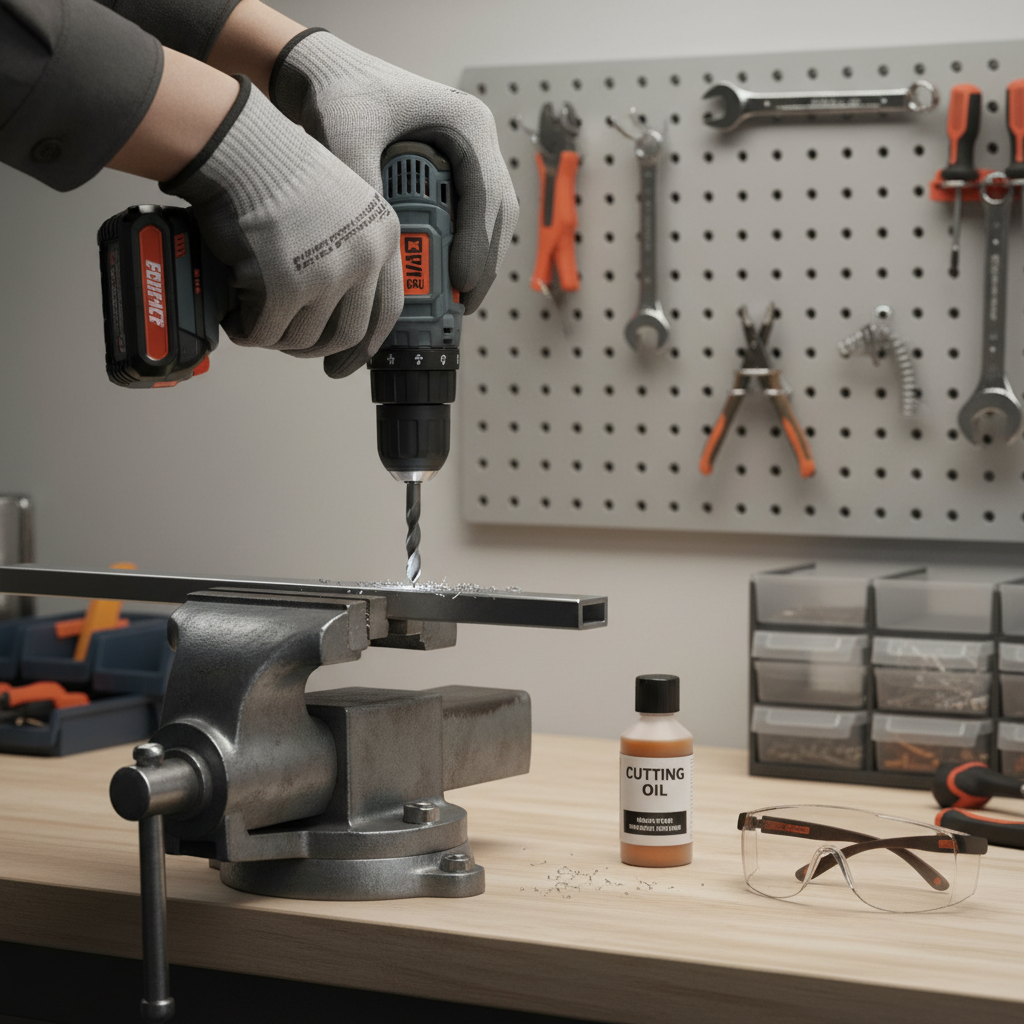
- Center punch first so the tip doesn’t skate.
- Go slower than you think; high RPM builds heat fast, especially on larger diameters.
- Use cutting oil when possible; it reduces heat and improves chip flow. If you’re unsure what lubricant is safe for your job, check the manufacturer guidance.
- Peck drill (in-out motion) to clear chips, especially in thicker stock.
- Clamp the work; hand-holding metal is where projects turn into ER stories.
For wood (softwood, hardwood, plywood)
- Back up the exit side with scrap wood to reduce tear-out.
- Use a brad point when hole placement and clean edges matter.
- Clear chips in deep holes, or you’ll feel heat and see burning.
- For plywood, a sharp bit and steady feed pressure usually beat fancy techniques.
Mistakes that make a multi-purpose set feel “cheap”
This is where people get annoyed: they bought a decent kit, but everyday habits erase the benefits.
- Running metal at wood speeds, then blaming the bit when it dulls.
- No pilot hole on larger sizes; the bit grabs, chatters, and wanders.
- Using the same bit for everything when the project needs a different geometry.
- Letting bits bang around loose in a drawer; cutting edges get chipped before they even work.
- Overheating then quenching (dunking a hot bit in water); it can stress the metal and shorten life.
Key takeaways: slow down on metal, keep the work clamped, and match the bit type to the finish you expect. A drill bit set wood metal can do a lot, but it still follows physics.
When you should add specialty bits (instead of buying a bigger “combo” kit)
There’s a point where “one set for everything” turns into compromise. Adding a small specialty pack is often the smarter move.
- Step bits for sheet metal and electrical knockouts, cleaner holes with less grabbing.
- Spade or auger bits for rough construction holes in wood, especially larger diameters.
- Forstner bits for flat-bottom holes in woodworking (hinges, hardware), not for metal.
- Masonry bits for concrete/brick; trying to “make it work” with metal bits is a dead end.
According to the American National Standards Institute (ANSI), using tools intended for the material and application supports safer, more predictable results. In real shops, that usually translates to keeping a core set and a few targeted add-ons.
Conclusion: a realistic way to build a wood & metal drilling setup
If you want one purchase that covers most home projects, focus on a quality twist-bit set with a useful size spread, then supplement it with wood-specific bits when you care about clean edges.
Your next step is simple: look at the last five drilling jobs you did, note the materials, then choose a set that matches that reality. You’ll drill faster, burn fewer bits, and spend less time fighting the tool.
FAQ
What’s the best type of drill bit for both wood and metal?
For mixed use, a good HSS twist bit (often split point) is usually the most practical. It won’t replace brad point bits for fine woodworking, but it covers everyday drilling without constant bit swaps.
Can I use cobalt drill bits on wood?
Usually yes, but they’re designed for tougher metals and can be more brittle. If you’re drilling mostly wood, you may not see a benefit, and you might miss the cleaner entry a brad point gives.
Why do my bits squeal when drilling metal?
Squealing often points to too much speed, not enough lubrication, or dull cutting edges. Slowing RPM and using cutting oil (when appropriate) tends to calm things down quickly.
Do titanium-coated bits last longer?
They can, especially in light-to-moderate use, but coating isn’t magic. If the underlying steel is low quality or you overheat the bit, it will still dull fast.
Should I buy fractional, metric, or both?
In the U.S., fractional sizes cover most household tasks. If you work on bikes, imported hardware, or anything spec’d in millimeters, a small metric add-on set can save a lot of frustration.
How do I know when a drill bit is too dull to keep using?
If you need noticeably more pressure, the bit wanders, or you see burning and shiny rubbed areas instead of clean chips, it’s likely dull. Continuing often overheats the bit and the material, making the next hole worse.
Is it safe to hold small metal pieces by hand while drilling?
It’s risky in many situations because the bit can catch and spin the workpiece. Clamps or a vise are the safer norm; if you’re unsure about your setup, consider asking a qualified professional for guidance.
If you’re trying to pick a set without buying three different kits, it helps to share what you drill most often, wood species, metal type, and your drill model; with that, it’s easier to narrow down a practical multi-purpose option that won’t feel overkill.