
bolt nut washer set complete is the kind of purchase you only appreciate after you’ve wasted an hour hunting for a matching nut, or after a “close enough” washer lets a joint loosen at the worst time.
In the U.S., mixed fastener kits are everywhere, but “complete” can mean very different things: some sets focus on automotive sizes, others on home repair, and some lean heavily into one thread system or a single material. Buying the wrong one usually doesn’t fail immediately, it fails later, when vibration, moisture, or soft materials show the mismatch.
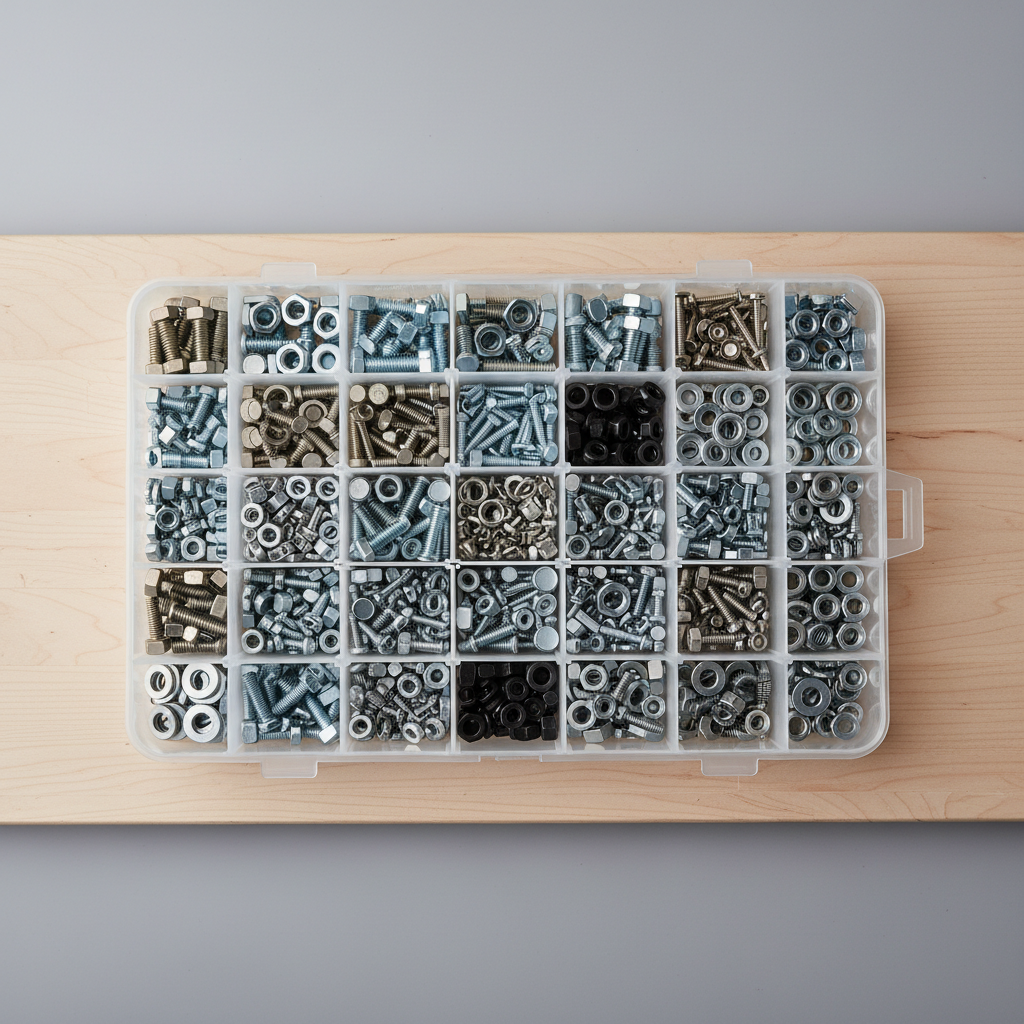
This guide stays practical: what “complete” should include, how to pick sizes and grades without guesswork, and when a pre-sorted kit saves time versus when you should build your own. I’ll also flag common traps, like mixing metric and SAE, or pairing the wrong washer type with soft materials.
What “Complete” Should Mean in a Bolt-Nut-Washer Set
Most people hear “complete” and assume it covers every situation. Realistically, a complete kit means the set is coherent: bolts match nuts, washer types make sense, and the size range fits a defined use case.
Look for a set that clearly states three things on the listing or label: thread system (SAE/imperial or metric), material/finish (zinc-plated steel, stainless, etc.), and strength grade (like SAE Grade 5/8 or metric 8.8/10.9).
- Matched threads: nuts that actually fit the included bolts, not “assorted” from mixed bins.
- Useful washer mix: flat washers are common, but lock washers or flange nuts can matter more for vibration.
- Readable organization: labeled compartments and a size chart, because “complete” without labeling turns into chaos.
Why Sets Fail in Real Life: Common Mismatch Scenarios
Most bolt kit disappointments come from quiet incompatibilities, not missing pieces. The set looks impressive, but it doesn’t match how you actually build or repair things.
Here are the scenarios that cause the most rework:
- Metric vs SAE confusion: a nut might start threading, then bind, chew threads, or seize. That “almost fits” feeling is the warning sign.
- Wrong grade for load: low-strength hardware on structural or high-torque joints can stretch or loosen over time.
- Washer choice doesn’t match the material: on wood, plastics, or thin sheet metal, a small flat washer can sink in; you usually want a larger OD fender washer.
- Corrosion mismatch: stainless bolt with carbon-steel washer can create uneven corrosion; outdoor use needs a consistent approach.
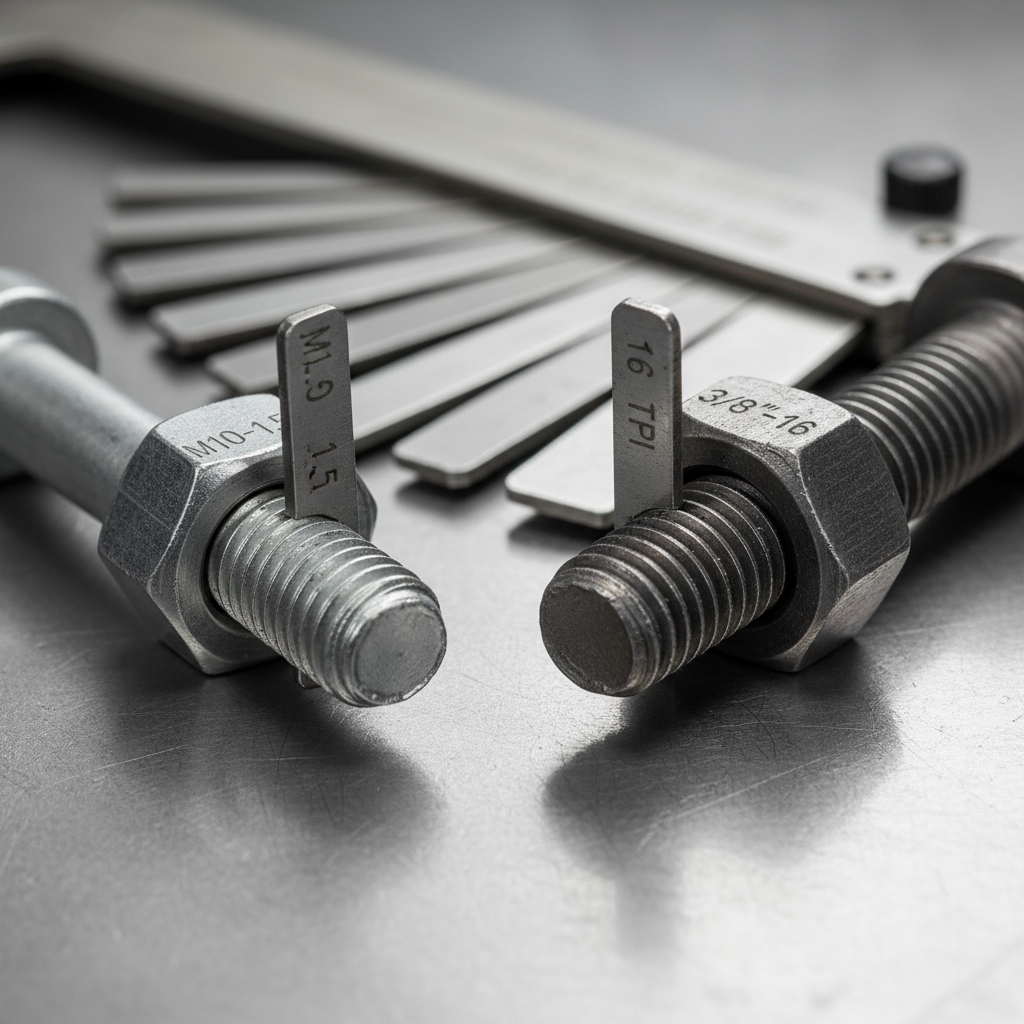
According to ANSI (American National Standards Institute), standardized fastener dimensions and thread forms are critical for interchangeability, which is a polite way of saying: mixing systems works right up until it doesn’t.
Quick Self-Check: Which Set Do You Actually Need?
Before you buy another “mega assortment,” answer a few blunt questions. This usually narrows the field fast.
- Where will you use it? Indoor fixtures, vehicle work, outdoor equipment, or general household repair all push you toward different materials and grades.
- What tools do you have? If you only own SAE wrenches, a metric-heavy set becomes annoying, even if it’s technically great.
- Do you need vibration resistance? For lawn equipment, trailers, or anything that shakes, plan for lock washers, nylon-insert lock nuts, or threadlocker.
- Do you often fasten into soft materials? If yes, prioritize fender washers and longer bolts for proper clamping.
If you’re unsure, a bolt nut washer set complete that focuses on one thread system and includes common lengths in a mid-range diameter is usually more useful than a “hundreds of pieces” kit filled with tiny sizes you never touch.
Choosing the Right Specs: Thread, Grade, Material, and Washer Type
This is the part buyers tend to skip, then blame the kit. You don’t need to become a fastener engineer, but you do need a baseline.
Thread system and pitch
Pick SAE (UNC/UNF) if you mostly work on older U.S. equipment and common household hardware, and metric if your work skews newer, automotive, or imported tools and fixtures. When in doubt, match what’s already on the project.
Strength grade
Grade markings matter most when the joint sees load or torque. For general home projects, many kits are fine, but for mechanical assemblies, you’ll often want higher-grade bolts and matching nuts. If the set doesn’t clearly list grade, treat it as “general purpose,” not structural.
Material and finish
- Zinc-plated steel: common for indoor use, decent value, corrosion protection varies by environment.
- Stainless steel: better for moisture exposure, but not automatically “stronger” in every sense; application matters.
- Hot-dip galvanized: typical for outdoor structures, but size compatibility can differ due to coating thickness.
Washer selection
- Flat washers: spread load, protect surfaces.
- Split lock washers: can help against loosening in some cases, but not a cure-all.
- Fender washers: larger outer diameter, great for thin materials.
- Sealing washers: useful for moisture-sensitive holes, common on roofing or outdoor enclosures.
Comparison Table: What to Look for in a “Complete” Kit
Use this as a quick buying filter. It’s not about brands, it’s about whether the set matches your use.
| Use Case | Thread System | Recommended Material | Washer Mix to Prioritize | Notes |
|---|---|---|---|---|
| General home repair | SAE or Metric (match your tools) | Zinc-plated steel | Flat + a few lock washers | Organization matters more than huge piece count |
| Outdoor equipment | Match existing hardware | Stainless or corrosion-resistant coated | Flat + fender washers | Corrosion resistance usually beats “more sizes” |
| Automotive & vibration | Often metric on newer vehicles | Appropriate grade steel | Lock nuts, flange hardware | Verify grade and avoid unknown no-name specs |
| Woodworking fixtures/jigs | SAE common, varies | Zinc-plated steel | Fender washers | Large OD washers prevent pull-through |
Practical Steps: How to Use a Kit Without Guessing
Even a good bolt nut washer set complete becomes frustrating if you don’t have a simple method. Here’s a workflow that saves time and reduces stripped threads.
- Step 1: Identify thread system by matching to an existing bolt, or using a thread gauge if you have one.
- Step 2: Dry-fit the nut by hand. If it doesn’t spin freely for several turns, stop and re-check size/pitch.
- Step 3: Choose washer based on surface. Painted metal wants protection, soft material wants larger diameter.
- Step 4: Tighten with the right feel. Over-torquing can strip threads or crush materials; if torque matters, use a torque wrench.
- Step 5: For vibration, consider a nylon-insert lock nut or a medium-strength threadlocker, and let it cure per label directions.
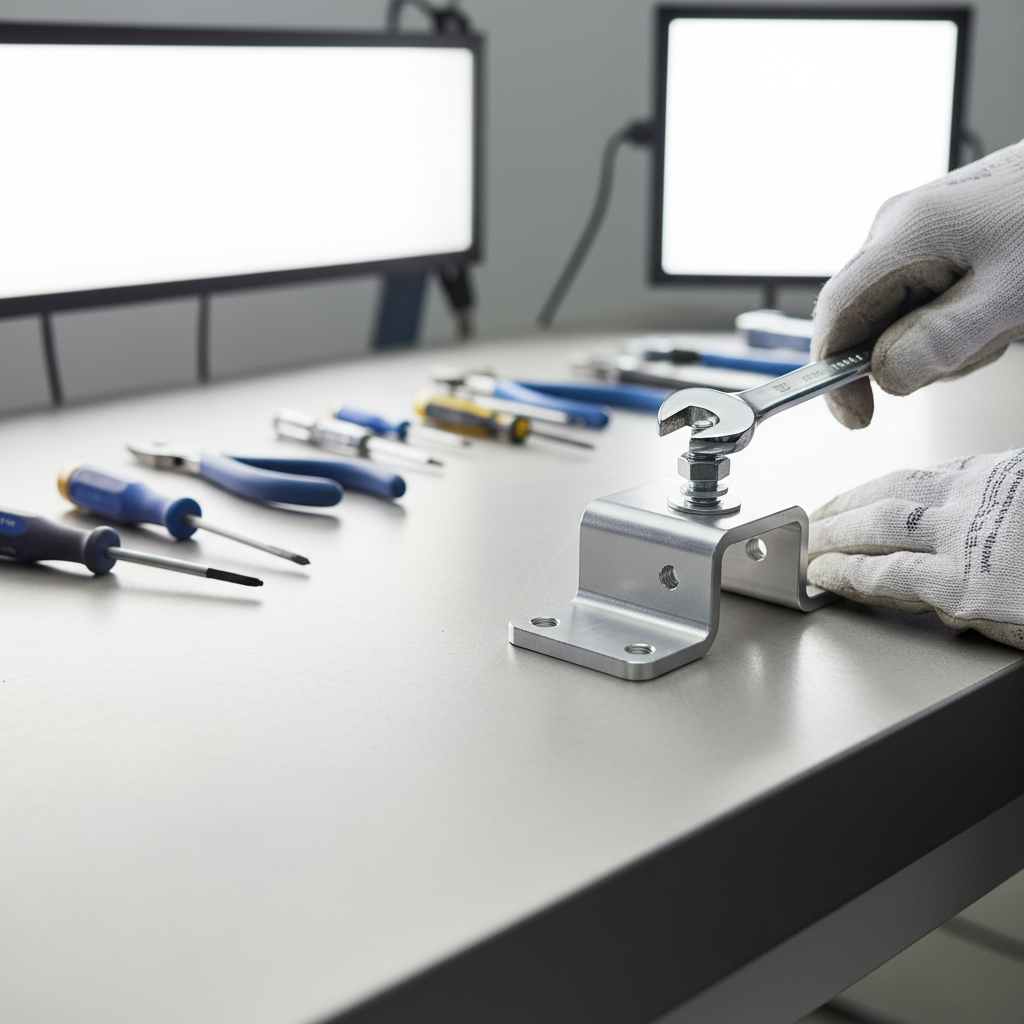
Key point: if you need a wrench to start threading a nut, something is off. The “it’ll force through” approach is how threads get ruined.
Common Mistakes to Avoid (They’re More Common Than People Admit)
These are the errors that make people think all assortments are junk. Often the kit is fine, the selection process isn’t.
- Buying by piece count: 1,000 pieces sounds great until 700 pieces are tiny washers you never use.
- Mixing stainless and plated parts without thinking about corrosion and application.
- Using split lock washers everywhere: they can help in some assemblies, but they don’t replace proper preload, correct torque, or lock nuts.
- Ignoring length: too-short bolts reduce thread engagement, too-long bolts bottom out or snag.
- Assuming “universal”: if the set doesn’t specify UNC/UNF or metric pitch details, expect limitations.
According to OSHA, maintaining equipment with appropriate components and following safe work practices helps reduce risk of failures and injuries, so if you’re working on load-bearing or safety-related assemblies, treat fastener choice as a safety decision, not just a convenience purchase.
When to Get Professional Help (or at Least a Second Opinion)
For many household tasks, a general-purpose kit works well. But there are moments where “close enough” can turn into a real hazard.
- Structural or overhead loads: mounting heavy shelving, ceiling-mounted equipment, or anything above people.
- Brake, steering, suspension on vehicles, or critical trailer components.
- High-temperature environments: grills, engines, industrial equipment, where material choice matters.
- Unknown torque requirements: if the manufacturer specifies a torque spec, match the fastener grade and follow that guidance.
If any of those apply, it’s usually worth consulting a qualified mechanic, engineer, or contractor, or at minimum matching OEM fastener specs. This isn’t about fear, it’s about respecting how fasteners fail when loads and vibration show up.
Conclusion: How to Buy a “Complete” Set That Feels Complete
A bolt nut washer set complete earns its keep when it matches your real projects: one thread system you actually use, clearly labeled grades and materials, and washers that suit your surfaces and vibration level.
If you take only two actions, make them these: match the thread system to your existing hardware, and prioritize organization and specs over piece count. You’ll spend less time sorting, and you’ll trust what you install.
FAQ
What does “complete” mean on a bolt, nut, and washer kit?
Usually it means the bolts and nuts are matched in size and thread, and the set includes washers that support common assemblies. It rarely means “covers every project,” so check the size range and thread system.
Is a metric kit better than an SAE kit in the U.S.?
It depends on what you work on. Many newer vehicles and tools use metric, while a lot of household hardware still shows up in SAE. Matching your existing fasteners and your wrench set matters more than the country you’re in.
How can I tell if I’m mixing metric and SAE threads?
If the nut doesn’t spin on smoothly by hand for multiple turns, stop. Binding early, rough feel, or partially engaging threads are common signs. A thread gauge helps if you do this often.
Do lock washers prevent bolts from loosening?
They can help in some assemblies, but they’re not guaranteed in every vibration situation. Many users get better results with nylon-insert lock nuts, flange hardware, or appropriate threadlocker, depending on the application.
Should I buy stainless steel fastener sets for outdoor use?
Stainless often performs better in wet environments, but the best choice can vary by exposure, load, and what the fastener mates with. If corrosion is a recurring problem, stainless is worth considering, but confirm the grade and intended use.
What washer should I use on wood or plastic?
Flat washers work, but many situations benefit from fender washers because the larger outer diameter spreads load and reduces pull-through. If the surface is soft, larger contact area usually helps.
How do I avoid stripping threads when using assorted hardware?
Start all nuts by hand, confirm smooth engagement, and avoid forcing. If torque matters, use a torque wrench and follow manufacturer guidance, especially on mechanical or safety-related assemblies.
If you’re trying to stock a shop, service a few recurring machines, or just want a kit that stops the “missing one nut” problem without overbuying, it can help to list your most common sizes and environments first, then pick a set that matches that reality instead of chasing the biggest assortment.