
Choosing a hand tool set for homeowners comes down to one thing, can it handle the repairs you actually face at home without wasting money on filler tools you never touch.
If you have ever started a “quick” fix and realized you lack the right screwdriver bit, a measuring tape that locks, or pliers that can grab a stubborn nut, you already know why this matters, the wrong kit turns small chores into drawn-out projects.
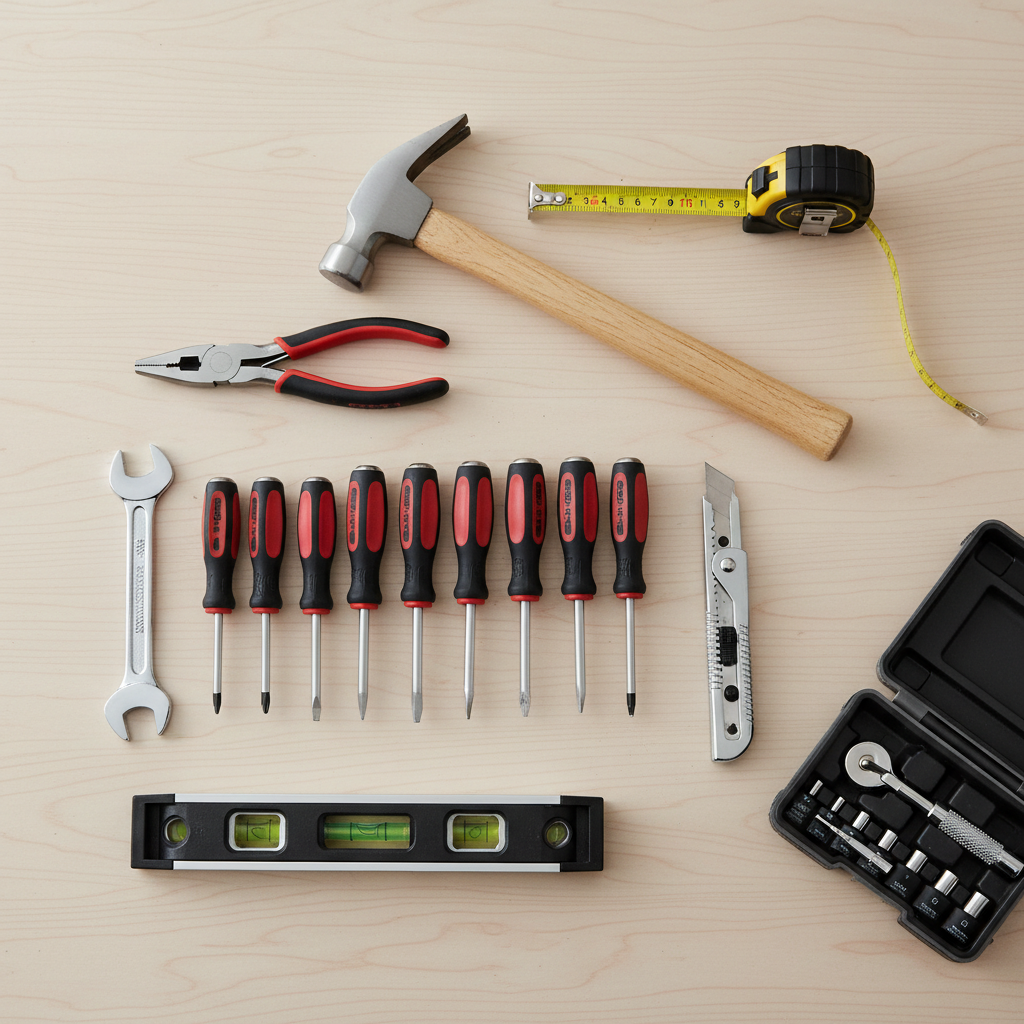
This guide focuses on what belongs in a practical starter kit, how to spot quality without getting lost in specs, and how to tailor a set to apartments, older homes, or weekend DIY. I will also call out a few common buying traps, because “more pieces” often sounds better than it performs.
What homeowners usually need tools for (and why kits miss the mark)
Most household jobs are repetitive, tightening loose hardware, assembling furniture, hanging frames, swapping a showerhead, unclogging a trap, or shutting off a valve and replacing a washer. These tasks reward control and fit more than brute strength.
Many big-box kits lean on high piece counts, which can mean dozens of low-use bits, tiny sockets you will never match to anything in your home, and a case that looks organized but wastes space. A dependable hand tool set for homeowners is less about the number and more about coverage of common fasteners and basic measuring.
Also, tool comfort matters more than people expect. If a handle hurts your hand, you will avoid the tool, and the project stalls. For DIY beginners, that is the real cost of a cheap kit.
Core tools that belong in almost every basic set
If you want a kit that stays useful for years, start with a tight core. These are the pieces most homeowners reach for weekly or monthly.
Fastening and turning
- Multi-bit screwdriver with common bits, Phillips #1/#2, slotted, Torx T10–T25, and square bits if you work on deck screws.
- 1/4-inch bit driver or stubby driver for tight spaces, cabinets and appliance panels can be annoying without it.
- Small socket set (often 1/4-inch drive) with shallow sockets that cover typical household hex sizes, plus a ratchet that feels smooth.
- Adjustable wrench around 8 inches, for supply lines, furniture hardware, and random odd sizes.
Gripping, cutting, and bending
- Slip-joint pliers for general grip.
- Tongue-and-groove pliers for plumbing fittings, think “ChannelLock style.”
- Needle-nose pliers for small parts, cotter pins, and pulling staples.
- Diagonal cutters for zip ties, light wire, and small nails.
Striking, prying, and measuring
- 16 oz claw hammer for nails and light demo, a fiberglass or steel core handle often holds up well.
- 25 ft tape measure with a solid stand-out and a lock that does not slip.
- Torpedo level for shelves, frames, and quick alignment.
- Utility knife with replaceable blades, plus a safe way to store spares.
From an “I just want to fix stuff” standpoint, this core covers a lot. According to OSHA, selecting the right tool for the task and keeping tools in safe condition helps reduce injuries, which is another reason to prioritize fewer, better tools rather than a bloated case.
A quick self-check: what kind of homeowner kit do you actually need?
Before you buy, answer these questions honestly, it usually saves money.
- Apartment or condo? You may need more assembly and hanging tools, fewer yard and exterior items.
- Older home? Expect stubborn fasteners, painted-over screws, and shutoff valves that fight back, sturdier pliers and a better ratchet matter.
- Do you do basic plumbing swaps? Add tongue-and-groove pliers, PTFE tape, and a basin wrench if sink work is common.
- Do you mount TVs or heavy shelves? You will want a stud finder and a torque-friendly driver, and sometimes a drill, even though it is not “hand tools.”
- Do you own a lot of flat-pack furniture? Hex keys and a ratcheting bit driver become daily heroes.
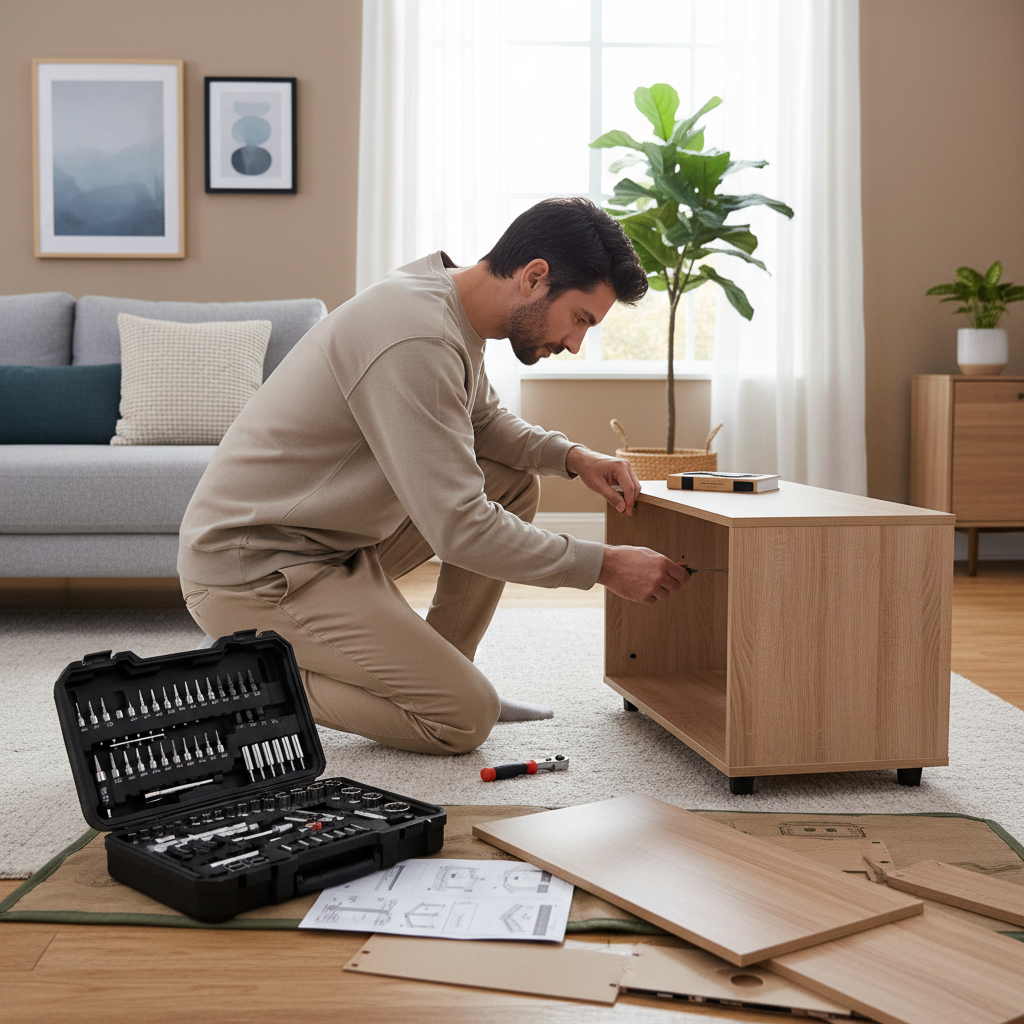
If you checked more than two of the “extra” boxes, you still want a starter kit, but you should plan on a few targeted add-ons rather than chasing an all-in-one mega set.
Buying tips that matter more than brand names
A good hand tool set for homeowners is easy to evaluate in-store, even if you are not a tool person. Here is what tends to separate the good from the frustrating.
- Fit and finish, screwdriver tips should look crisp, sockets should seat firmly, and the ratchet should not feel gritty.
- Comfort and control, grip a screwdriver hard for 10 seconds, if it bites your palm now, it will be worse under load.
- Clear labeling, sizes etched or stamped on sockets and wrenches save time, printed ink often fades.
- Case layout, tools should stay put when carried, loose trays become a mess fast.
- Warranty reality, a “lifetime warranty” is nice, but check how claims work, some are easy, some are paperwork-heavy.
One more practical detail, pay attention to duplicates. If a kit includes three versions of a flat screwdriver but skips a decent tape measure, that is not a homeowner-first set, it is padding.
Recommended tool list by scenario (with a simple table)
Think in layers, start with a core kit, then add only what your home demands. This is usually the most cost-effective path, even for people who like having “everything.”
| Scenario | Core kit | Smart add-ons |
|---|---|---|
| Apartment / renter DIY | Driver + bits, small pliers, tape, level, utility knife | Picture hanging kit, precision screwdriver, Allen key set |
| Newer home maintenance | Add hammer, adjustable wrench, 1/4" socket set | Caulk tool, putty knife, spare blades, flashlight/headlamp |
| Older home ownership | Sturdier pliers, better ratchet, more common sockets | Penetrating oil, breaker bar, extractor bits, wire brush |
| Light plumbing fixes | Tongue-and-groove pliers, adjustable wrench | PTFE tape, basin wrench, shutoff key if needed |
| Weekend DIY projects | Full core kit | Speed square, clamps, cordless drill/driver (separate) |
How to put the kit to work: a simple “first week” practice plan
The fastest way to feel confident is to use the tools on low-stakes tasks. Not glamorous, but it works.
Three quick wins
- Go through every door handle and cabinet pull, snug loose screws, learn what bit sizes you actually use.
- Find your shutoffs, locate the main water shutoff and under-sink valves, do not force stuck valves, if they resist hard, a plumber may be safer.
- Hang one small shelf or picture correctly, measure, level, mark, fasten, you will quickly see if your tape and level are decent.
According to CDC, injuries at home can happen during everyday activities, so it is worth treating DIY like any other task, steady footing, good lighting, and eye protection when cutting or striking materials are sensible in many situations. If you have medical concerns or limited mobility, asking a professional for help can be the safer call.
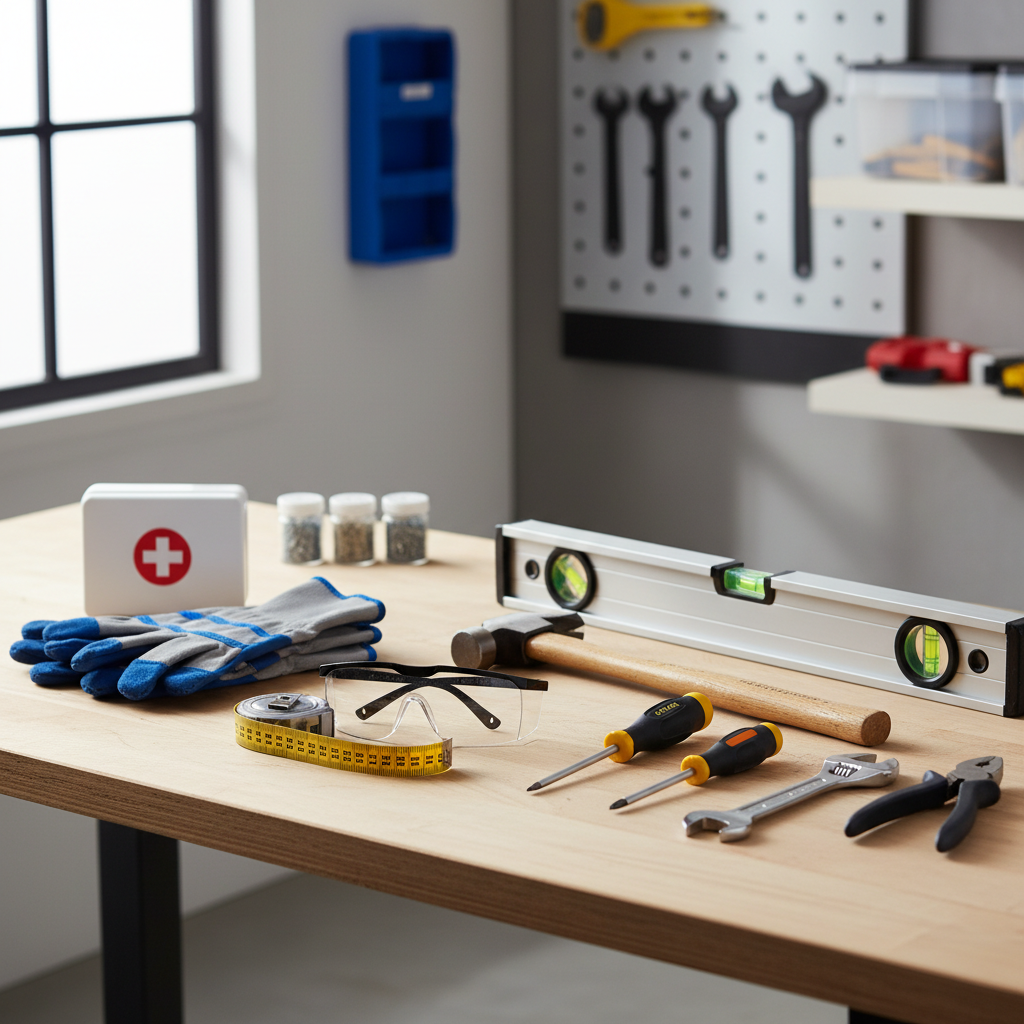
If you want one “rule,” stop when you start improvising force. That is when stripped screws, rounded nuts, and small injuries show up, and it usually means you need a different tool, not more effort.
Common mistakes that waste money (or create bigger repairs)
- Buying the biggest kit first, you pay for volume, then still replace the most-used screwdriver and tape measure.
- Ignoring SAE vs. metric, in the US you will run into both, a mixed socket/hex key assortment prevents “almost fits” headaches.
- Using pliers as a wrench, it rounds fasteners, if you keep doing this, invest in the right wrench size or a better adjustable.
- Over-tightening, especially on plumbing and particleboard furniture, snug plus a little is often enough, when in doubt, follow manufacturer guidance.
- Storing tools where they rust, bathrooms and damp basements can corrode steel, a dry closet and a light oil wipe now and then goes far.
When it makes sense to call a pro
A homeowner kit helps with normal maintenance, but some situations deserve a pause. If you smell gas, see sparking or overheated wiring, notice water stains spreading across ceilings, or find mold you cannot identify, bringing in a licensed professional is typically the safer next step.
Permits and codes also matter for electrical and structural work. According to NFPA, home electrical safety is a major concern, and if a repair goes beyond simple swaps like replacing a faceplate or tightening a loose screw on a device that is confirmed de-energized, many homeowners choose an electrician.
Key takeaways and a practical next step
If you remember only a few things, remember these, buy for tasks, not piece count, prioritize a comfortable driver, reliable pliers, and a tape you trust, then add specialized tools only when your home actually asks for them.
Your next step can be simple, make a short list of the last five fixes you attempted or postponed, then choose a core kit that covers those jobs cleanly. That approach usually lands you with a hand tool set for homeowners you will keep using, not a case you store and forget.
FAQ
What size tool kit is “enough” for most homeowners?
Enough usually means you can tighten, measure, cut, and grip without improvising. A smaller, better-made 30–80 piece kit often beats a 200+ piece kit padded with rarely used bits.
Is a socket set really necessary for home repairs?
In many homes, yes, especially for furniture bolts, lawn equipment, and some appliance panels. A compact 1/4-inch drive set covers a lot, you can add 3/8-inch later if you do heavier work.
Should I buy metric or SAE tools in the US?
Both show up. US-made hardware often uses SAE, while furniture, bikes, and many appliances lean metric. A mixed assortment prevents the common “it almost fits” problem that strips fasteners.
What’s the difference between slip-joint and tongue-and-groove pliers?
Slip-joint pliers are general-purpose with a couple jaw positions, tongue-and-groove pliers adjust across a wider range and grip pipes or fittings better, which is why they show up in light plumbing work.
How do I know if a kit is low quality before buying?
Look for sloppy tool fit in the case, unclear size markings, rough ratchet action, and screwdriver tips that look rounded. If the kit feels “toy-like” in hand, it often performs that way under load.
What extra tools pair well with a basic hand tool set?
A headlamp, a small magnetic tray, painter’s tape, and a stud finder are common add-ons that make DIY smoother. A cordless drill/driver can help too, but it is separate from hand tools and easy to overuse on delicate fasteners.
How should I store tools to keep them from rusting?
Keep them dry, wipe metal surfaces if they get wet, and avoid long-term storage in humid bathrooms or damp basements. A silica gel pack in the case can help in many climates.
If you are trying to build a dependable kit without overbuying, it can help to start with a small core set, then add a couple of “problem solvers” based on your home, older plumbing, lots of flat-pack furniture, or regular weekend projects, that way your tools grow with your needs instead of sitting unused.