
An expanding garden hose lightweight model can feel like a small upgrade, until you realize how much time you’ve spent dragging a stiff, heavy hose across patios, planters, and corners that love to snag.
Most people shopping this category want the same two things that usually fight each other: something easy to carry and store, but still tough enough to handle regular watering without constant leaks or frustrating flow drops.
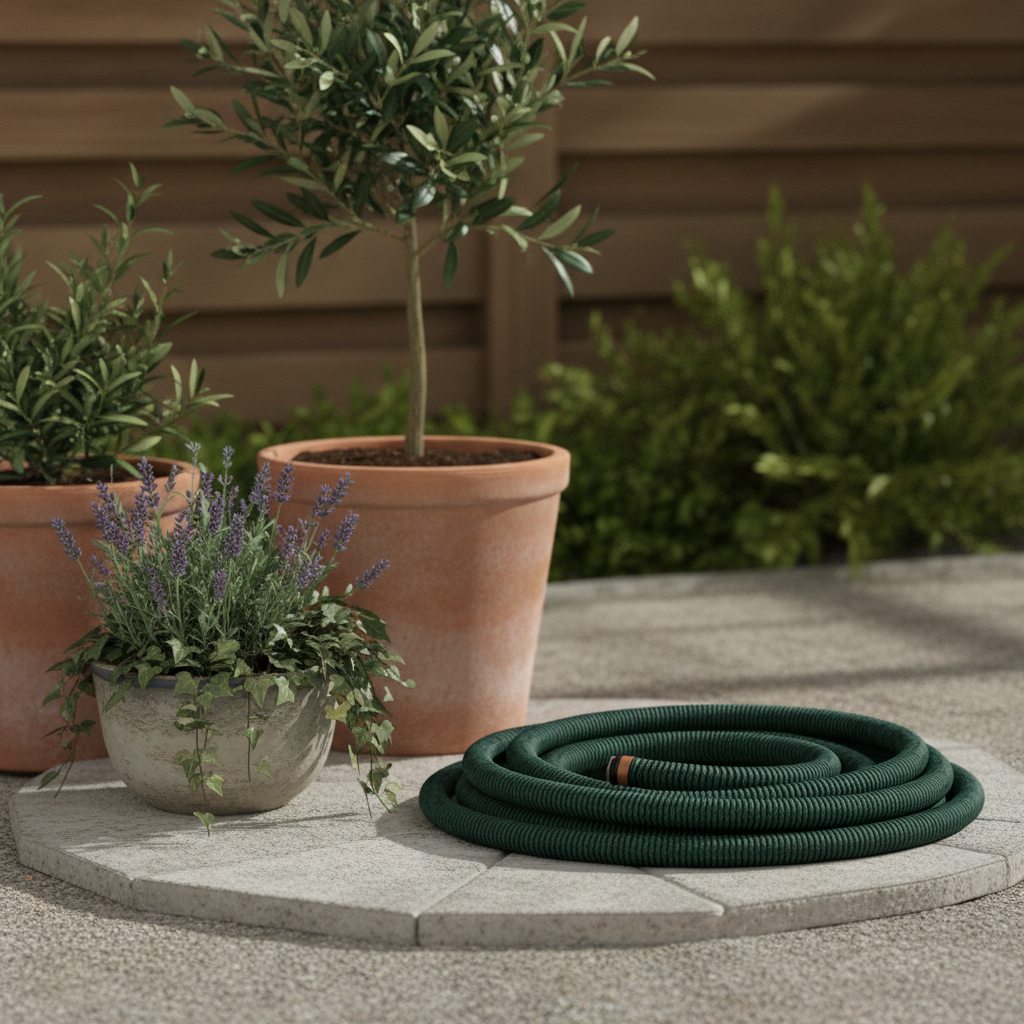
This guide breaks down what “lightweight” really means for an expanding hose, how to tell quality from hype, and what to do to make one last longer in real U.S. yard conditions, heat, sun, and occasional rough handling.
Why lightweight expanding hoses are popular (and where they can disappoint)
The appeal is straightforward: an expanding hose uses water pressure to extend, then contracts when drained, so you’re not wrestling a bulky coil back onto a reel. For smaller yards, balconies, and quick front-yard jobs, that convenience is hard to unsee.
But the same design that makes it light can also create weak points if the materials are thin or the fittings are cheaply crimped. That’s why you’ll see wildly different reviews for products that look identical in photos.
- Storage is the big win: many setups fit in a small bucket or tote instead of taking over a garage wall.
- Less strain: easier to carry one-handed, which matters if you’re moving around steps, decks, or tight side yards.
- Fewer kinks: expanding hoses generally kink less than traditional vinyl hoses, though tangles can still happen.
- The common letdown: punctures, split inner tubes, and leaky connectors, usually after heat exposure or being dragged over rough surfaces.
Quick self-check: is an expanding hose the right fit for your yard?
If you’re deciding between a classic rubber hose and an expanding style, don’t start with length. Start with your usage pattern, because that’s what determines whether “lightweight” feels like a benefit or a trade-off.
You’re a good match if…
- You water containers, beds, or a small lawn 2–5 times per week.
- You’re tired of hauling a heavy hose, or storage space is limited.
- You need quick setup and quick put-away, especially for front yards or patios.
You may want a traditional hose if…
- You frequently run high-demand tools like sprinklers for long cycles, pressure washers, or large-area irrigation.
- Your hose path crosses gravel, sharp edging, or areas where abrasion is constant.
- You often leave the hose pressurized or sitting in direct sun all day, which can shorten lifespan.
What to look for when buying a lightweight expanding garden hose
“Lightweight” is easy for brands to claim, but durability comes from a few specific details. When you scan product pages, look past the glamour shots and focus on construction.
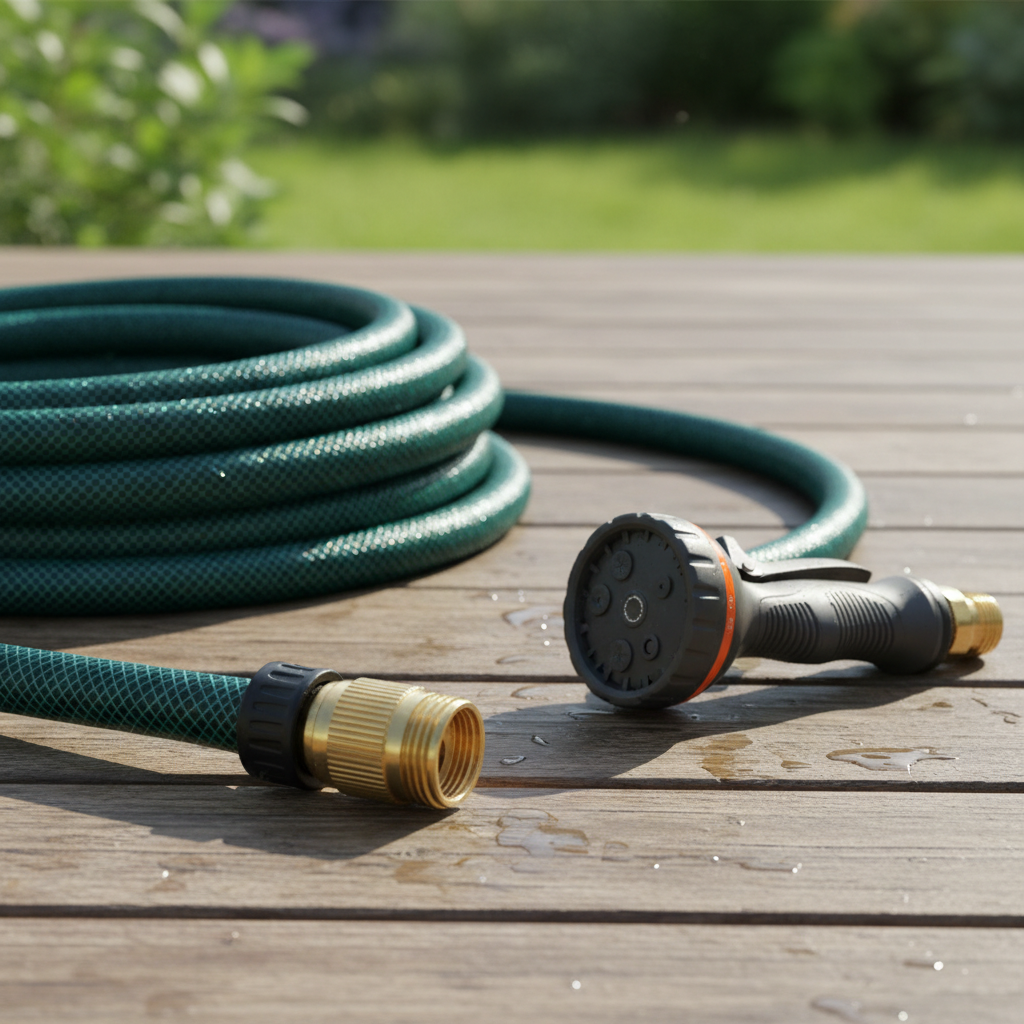
Key features that usually matter
- Connector material: brass or quality alloy fittings tend to hold threads better than soft plastic, especially if you disconnect often.
- Strain relief: a reinforced sleeve near each end helps reduce blowouts where the hose flexes the most.
- Outer fabric jacket: tighter, abrasion-resistant weave reduces snagging, it also protects the inner tube from UV and scuffs.
- On/off valve: a shutoff at the hose end reduces trips back to the spigot and can help avoid pressure spikes from quick trigger releases.
- Real length vs working length: many hoses list expanded length, but think about routing, corners, and whether you need slack.
Choosing the right length (without overbuying)
More length adds weight and can reduce flow at the nozzle, especially if your home pressure is on the lower side. For many homes, 25–50 ft is the “actually convenient” zone, while 75–100 ft makes sense when you truly need reach.
According to EPA, outdoor water use is often a major share of household consumption in many U.S. homes, so a hose that’s easy to use can also reduce waste from “set it and forget it” watering habits.
Side-by-side comparison: expanding vs traditional hoses
This is the practical trade: traditional hoses usually win on ruggedness, expanding hoses usually win on day-to-day convenience. Use this as a quick filter.
| Factor | Expanding (Lightweight) | Traditional (Rubber/Vinyl) |
|---|---|---|
| Carry & handling | Very easy, low drag | Heavier, can feel stubborn |
| Storage | Compact, often no reel needed | Bulky, reel or hanger helps |
| Abrasion resistance | Varies a lot by fabric jacket | Typically stronger |
| Leak risk | Higher if fittings/jacket are weak | Usually lower long-term |
| Best use | Patios, beds, containers, light-duty | Large yards, heavy-duty routines |
How to use an expanding hose so it lasts longer
An expanding hose can fail fast if it’s treated like a jobsite rubber hose. A few small habits make a noticeable difference, especially in hot states where UV and heat punish plastics and fabrics.
Setup habits that reduce leaks and blowouts
- Hand-tighten, don’t wrench-tighten: over-tightening can deform washers or strip threads.
- Let it fully expand before dragging: pulling while it’s still expanding puts stress on fittings.
- Avoid pressure spikes: open the spigot gradually, and avoid snapping the nozzle trigger repeatedly at full pressure.
- Use a simple hose washer refresh: if you see drips at the spigot, replacing a washer often fixes it faster than buying a new hose.
Storage and weather care
- Drain after use so the hose contracts and reduces internal stress.
- Store out of direct sun when possible, UV exposure often shortens fabric life.
- If freezing weather is possible, bring it inside; trapped water can expand and damage the inner tube.
Troubleshooting: common problems and quick fixes
Most complaints about an expanding garden hose lightweight product come down to a few predictable issues. Some are fixable in minutes, others are a sign the hose is at end of life.
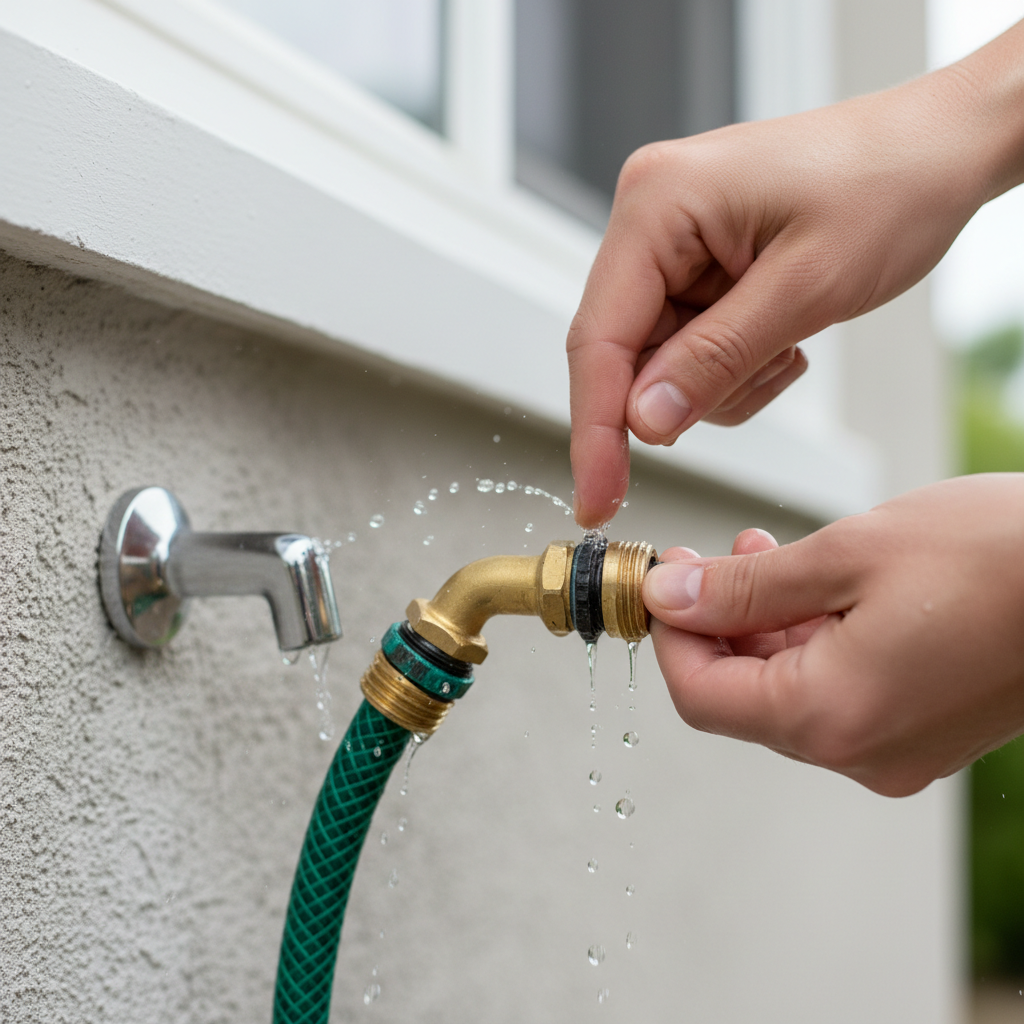
- Leak at the spigot: try a new rubber washer, check cross-threading, and confirm the connector seats flat.
- Leak at the hose end: if the crimp collar is loose, repairs are limited; a replacement is often more realistic.
- Weak spray/flow: remove the nozzle and flush grit, check for a kink at the connector, and make sure the hose is fully expanded.
- Hose won’t fully expand: low water pressure, a partially closed spigot, or a nozzle set to a restrictive mode can cause this.
- Fabric jacket snagging: route around sharp corners, or add a simple corner guide where it rubs most.
Key takeaways (so you can decide fast)
- Buy for your routine, not just the longest length you can find.
- Connectors and strain relief usually predict lifespan more than marketing claims.
- Drain and store out of sun if you want fewer leaks and a longer service life.
- If your yard is rough or large, a traditional hose may feel less “nice” but behave better over time.
Conclusion: what to do next
If your main frustration is hauling and storing a bulky hose, an expanding garden hose lightweight option is a genuinely practical switch, especially for patios, small lawns, and everyday watering. The smarter buy is usually the one with solid connectors and a reinforced end, not the one that promises the most dramatic expansion.
Pick the shortest length that comfortably reaches your farthest watering spot, add a nozzle you actually like using, and commit to simple storage habits. Those three moves do more than any flashy “extra layer” claim.
FAQ
Do lightweight expanding hoses work with sprinklers?
Many do, but performance depends on your water pressure and sprinkler demand. If the sprinkler needs steady high flow for long runs, a traditional hose often feels more consistent.
Why does my expanding hose leak at the spigot even when it’s tight?
Usually it’s a worn or missing washer, or the connector is slightly cross-threaded. Try a new washer first, then reconnect carefully by hand.
Can I leave an expanding hose connected all the time?
You can, but it’s often not ideal. Keeping it pressurized and in sun can speed wear, many people get longer life by disconnecting and draining after use.
Is brass always better than plastic connectors?
Brass tends to be more forgiving with repeated threading and unthreading, but the overall build still matters. A good alloy connector with proper strain relief can outperform cheap brass fittings.
What length should I buy for a small backyard?
For many small yards, 25–50 ft covers typical spigot-to-bed distances without excess hose to manage. If you’re reaching around the house, measure your route and add a little slack.
How do I prevent an expanding hose from bursting?
Avoid leaving it pressurized, open the spigot gradually, and keep it out of freezing conditions. If your home pressure seems unusually high, a plumber can advise whether a pressure regulator is appropriate.
Can I repair a punctured expanding hose?
Some small outer-jacket snags are cosmetic, but inner-tube punctures are tricky and repairs may not hold under pressure. For frequent failures, it’s worth reevaluating routing and abrasion points.
If you’re trying to narrow down which lightweight hose is actually worth buying for your yard size and watering habits, it can help to list your length needs, sun exposure, and whether you’ll run sprinklers, then match those needs to connector quality and reinforcement instead of marketing promises.