
Grinder wheel set for metal choices matter more than most people expect, because the “wrong” wheel usually shows up as slow cuts, excessive sparks, ugly gouges, or a wheel that wears out way too fast.
If you use an angle grinder for home projects, fabrication, auto work, or jobsite tasks, a well-matched set saves time and reduces frustration. It also helps you keep one grinder doing more jobs without constantly running back to the store.
This guide breaks down the common wheel types, how to choose by material and task, and a simple checklist to avoid the mistakes that cause most wheel failures. I’ll also include a quick comparison table and a practical starter set suggestion.
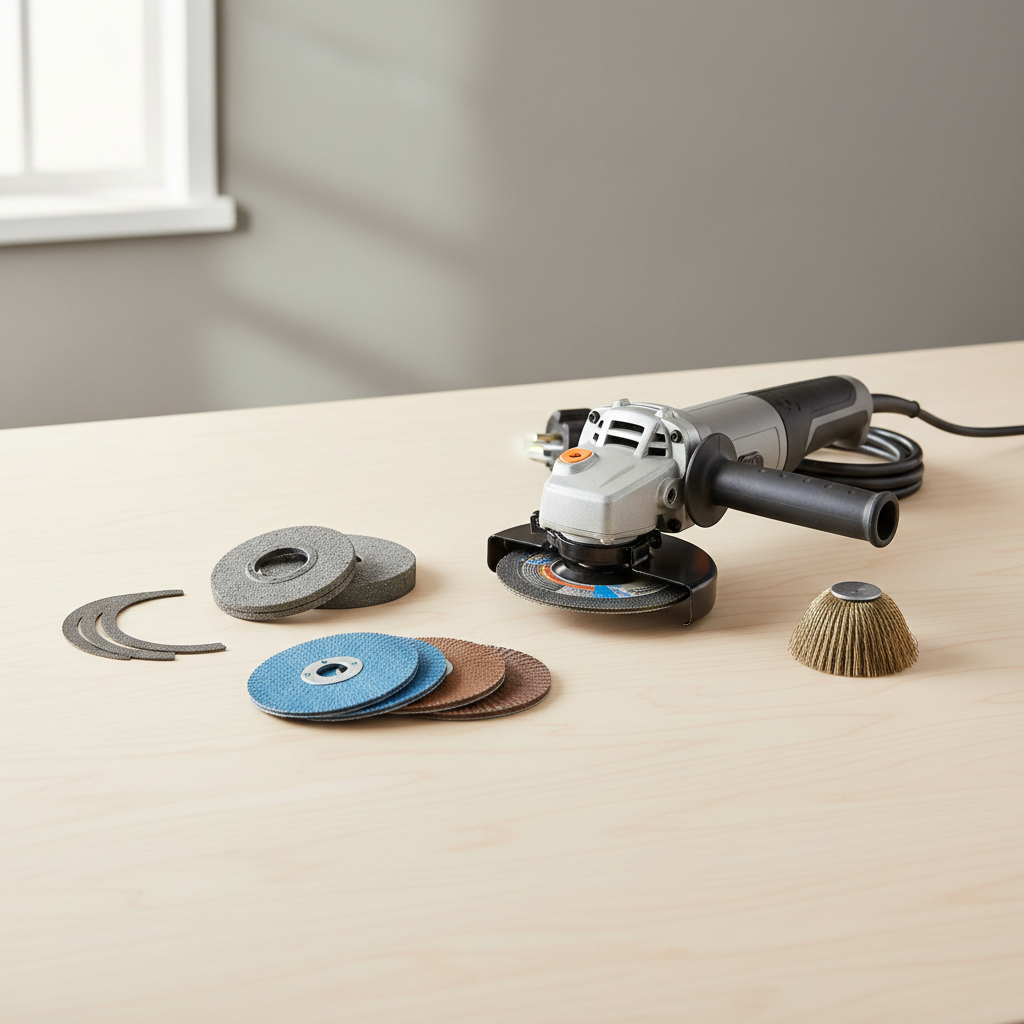
What a “metal wheel set” usually includes (and why it’s useful)
A metal-focused set is typically a mix of wheels and attachments designed for cutting, shaping, and finishing ferrous metals. In real use, the value isn’t “more pieces,” it’s having the right abrasive for each step so you don’t force one wheel to do everything.
- Cut-off wheels (thin discs): fast straight cuts in steel, rebar, angle iron.
- Grinding wheels (thicker): beveling edges, knocking down welds, removing material.
- Flap discs: blend welds and smooth surfaces with more control than a hard wheel.
- Wire wheels/brushes: remove rust, paint, scale without heavy stock removal.
Some sets also include non-woven finishing discs or a backing pad, which can be handy if you do cosmetic cleanup on brackets, rails, or panels.
How to choose a grinder wheel set for metal by job, not by marketing
Most buying regrets happen when you pick by “fits my grinder” and ignore the job. A grinder wheel set for metal should match what you actually do: cutting, weld prep, weld removal, or surface cleanup.
Match the wheel to the task
- Cutting to length: thin cut-off wheels, sized for your guard and grinder diameter.
- Weld prep: grinding wheel for quick bevels, then flap disc to refine.
- Weld cleanup: flap discs (40–80 grit range is common) for blending without deep gouges.
- Rust/paint removal: wire cup brush for broad areas, wire wheel for edges and corners.
Match the wheel to the metal
Steel is forgiving. Stainless and aluminum are where people get into trouble, because they can load up abrasives or contaminate surfaces.
- Mild steel: most general “metal” wheels work fine.
- Stainless steel: look for wheels labeled for stainless or “inox,” often designed to reduce contamination and heat.
- Cast iron: tends to be abrasive itself; durable grinding wheels and the right pressure help.
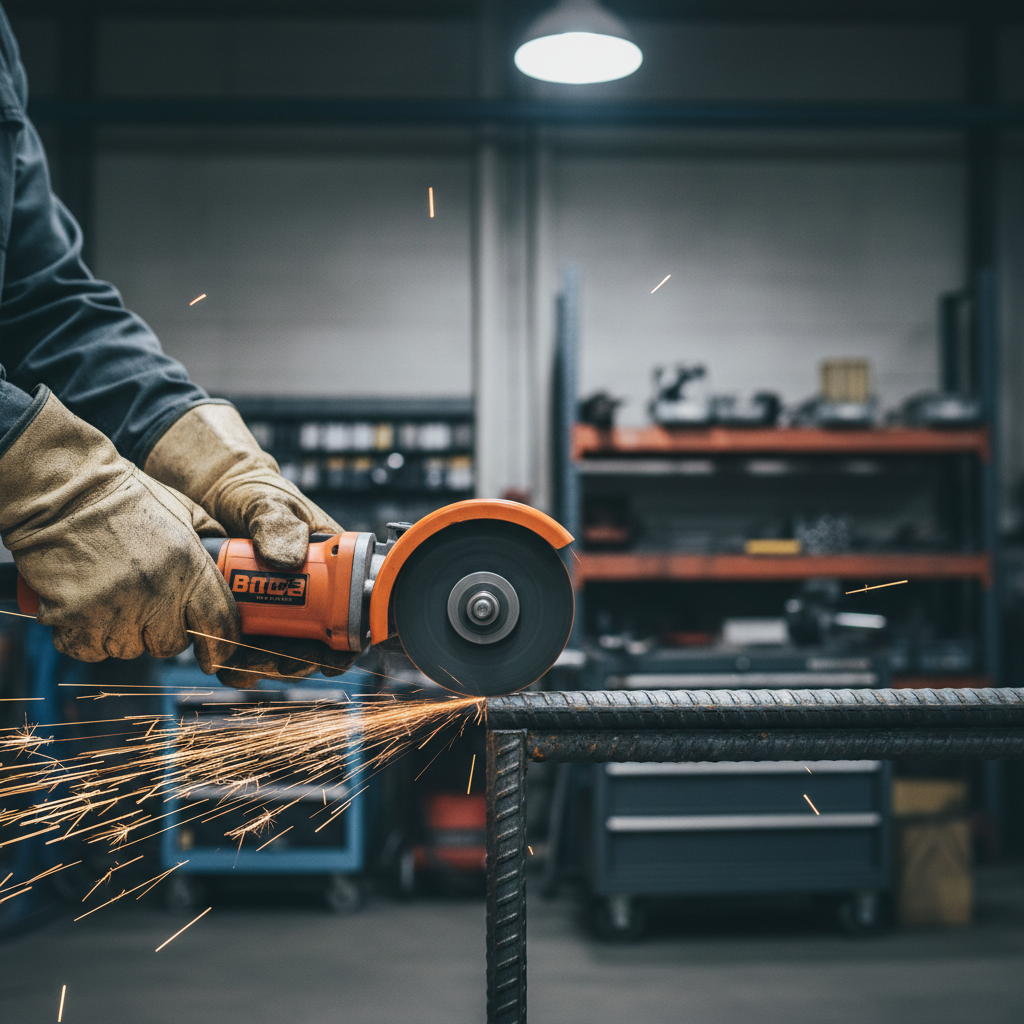
Quick comparison table: which wheel for which metal task
If you only want a fast reference, use this table to narrow choices before you compare brands or bundle sizes.
| Task | Best-fit wheel type | Why it works | Common mistake |
|---|---|---|---|
| Cutting rebar/angle iron | Thin cut-off wheel | Fast, straight kerf with less heat | Twisting the disc mid-cut |
| Removing heavy weld bead | Grinding wheel | Aggressive material removal | Using a cut-off wheel to “grind” |
| Blending welds for a clean look | Flap disc (40–80 grit) | More control, smoother finish | Too coarse grit, deep scratches |
| Rust/paint removal | Wire cup/wire wheel | Strips coatings without heavy gouging | Overpressure that flings wires faster |
| Stainless cleanup | Stainless-rated flap disc | Helps reduce loading and heat | Using carbon-steel-only abrasives |
Self-check: are you buying the right set for your grinder and projects?
Before you click “add to cart,” run through this. It catches the issues that lead to returns, unsafe use, or a set that sits in a drawer.
- Wheel diameter matches your grinder and guard (commonly 4-1/2 in, 5 in, 6 in).
- Arbor size matches your spindle (many U.S. grinders use 7/8 in for discs, but check your tool).
- Speed rating (RPM) on every wheel meets or exceeds your grinder’s no-load RPM.
- You know your top 2 tasks (cutting and weld blending, for example), and the set actually includes both wheel types.
- Material reality: if you touch stainless often, you want stainless-rated abrasives in the bundle.
According to OSHA, abrasive wheel equipment requires proper guarding and safe operating practices, and speed ratings matter for safe use. If you’re unsure about your grinder setup, it’s worth checking the grinder manual and OSHA guidance before running a new wheel.
Practical “starter set” that covers most metal work
Most people don’t need a 50-piece assortment on day one. A balanced grinder wheel set for metal usually looks like this, then you restock what you burn through fastest.
- Cut-off wheels: 6–10 pieces, thin type for steel
- Grinding wheels: 2–4 pieces for heavier removal
- Flap discs: 2 pieces in 40 grit, 2 pieces in 80 grit
- Wire cup brush: 1 piece for broader surfaces
- Wire wheel (edge): 1 piece for corners and tight zones
If your work is mostly cosmetic cleanup, swap in more flap discs and fewer grinding wheels. If you do gates, trailers, or structural brackets, you’ll likely consume cut-off wheels and grinding wheels faster.
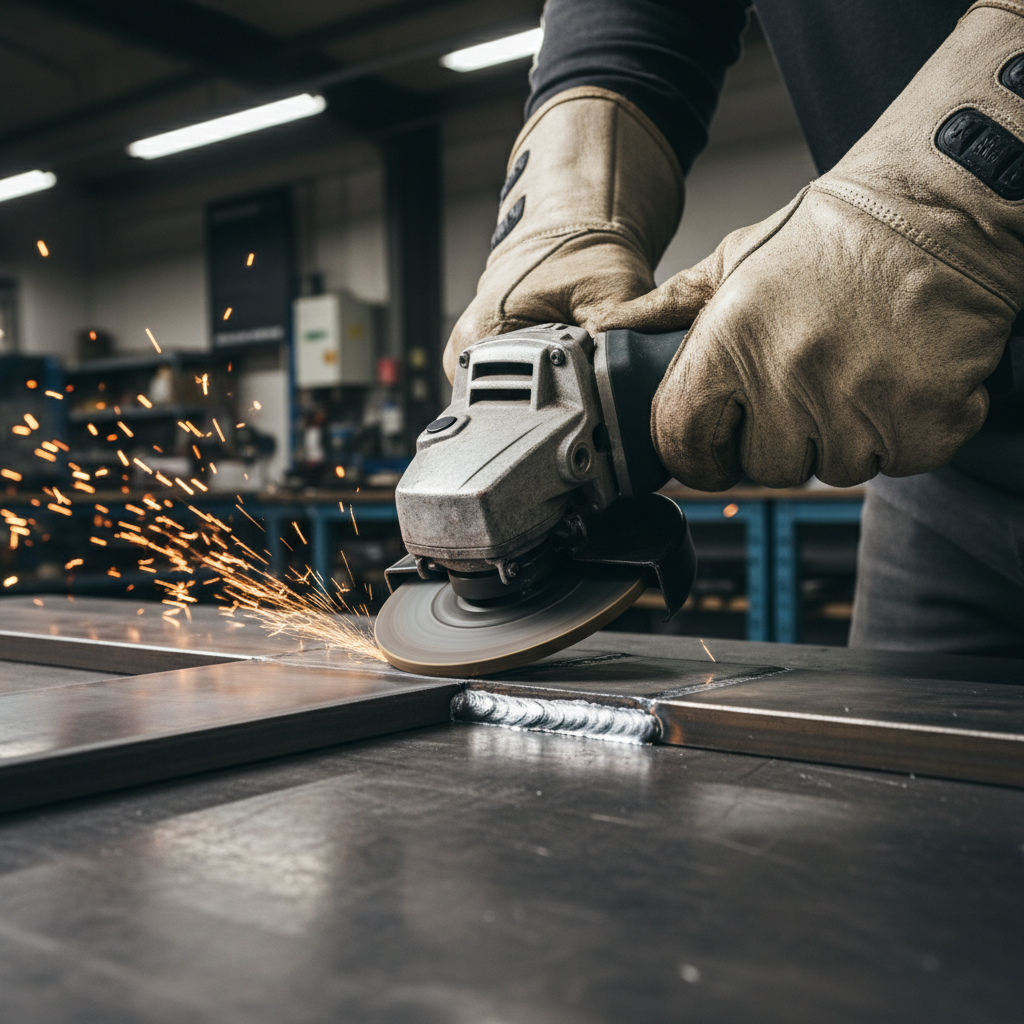
Step-by-step use tips that extend wheel life (and improve results)
Better results usually come from small technique tweaks, not more pressure. If your wheel is glazing, burning the metal, or disappearing fast, try this approach.
For cut-off wheels
- Let the wheel do the work: steady feed, minimal side load.
- Keep the cut straight: twisting the grinder mid-cut is a common breakage cause.
- Support the work: pinching the kerf can bind the disc.
For grinding wheels and flap discs
- Use the right angle: flap discs often cut best at a shallow angle, while grinding wheels can handle more direct contact.
- Move continuously: staying in one spot can overheat metal and prematurely wear abrasives.
- Stage your finish: hard grind to shape, flap disc to blend, wire brush to clean.
According to NIOSH, abrasive wheel safety includes correct mounting and inspection to reduce risk of wheel failure. If a wheel shows cracks, chips, or unusual vibration, replacing it is typically the safer call.
Safety and common mistakes (the stuff people skip until something goes wrong)
Angle grinders are simple tools that can hurt you fast, especially when a wheel breaks or the grinder kicks back. Use caution, and if you’re in a workplace setting follow your site rules and training.
- Don’t exceed RPM: always confirm the wheel’s max RPM is compatible with your grinder.
- Keep the guard on: removing it may feel convenient, but it’s there for a reason.
- Use the right wheel for the job: cut-off wheels are not designed for side grinding.
- Watch for loading: some metals can gum up abrasives, which increases heat and chatter.
- PPE basics: eye and face protection, hearing protection, and gloves are common recommendations; for specific hazards, consider asking a safety professional.
If you’re grinding coated or painted metal, dust exposure can be a concern depending on what’s on the surface. In uncertain cases, it’s smart to check the coating type and follow appropriate safety guidance.
Conclusion: how to pick a set you’ll actually use
A good grinder wheel set for metal is less about quantity and more about coverage: one option to cut, one to remove material, one to blend, and one to clean surfaces. Once you know your main tasks and your grinder specs, the “right” set becomes obvious, and you stop fighting the tool.
If you’re buying today, do two things: confirm wheel diameter/arbor/RPM from your grinder, then choose a mix that matches your top projects. After a week or two of real use, restock only what you burn through, that’s how your kit gets efficient without turning into clutter.
FAQ
What should be in a grinder wheel set for metal for home use?
Most home users do well with thin cut-off wheels, one or two grinding wheels, a couple flap discs in mid grits, plus a wire cup brush for rust and paint. That mix handles cutting, cleanup, and basic finishing without overbuying.
Can I use the same wheels on steel and stainless steel?
Sometimes, but it depends on the wheel. Many discs are labeled for both, while others are specifically rated for stainless to help reduce contamination and heat. If stainless appearance or corrosion resistance matters, using stainless-rated abrasives is usually safer.
Why does my cut-off wheel keep breaking?
Common causes include side-loading the disc, twisting during the cut, binding from unsupported work, or using a wheel with an RPM rating that doesn’t match your grinder. Also check for damage from drops or poor storage.
Do I really need flap discs if I already have a grinding wheel?
If you care about surface finish or want more control around edges and welds, flap discs are worth it. Grinding wheels remove material fast but can leave deeper marks, while flap discs blend more smoothly and feel easier to “steer.”
What grit flap disc should I start with for weld cleanup?
For many welds on mild steel, 40 grit removes material quickly, then 80 grit refines the look. If you’re trying to avoid noticeable scratches, you may prefer starting finer, but it will take longer.
How do I know what size wheel my angle grinder uses?
Check the grinder label or manual for wheel diameter, arbor size, and max RPM. The guard size is also a practical limit, if the guard is made for 4-1/2 in wheels, don’t force a larger disc.
Are wire wheels safe on an angle grinder?
They can be, but they still require care: correct RPM rating, proper mounting, and PPE since wires can shed during use. If you notice excessive vibration or missing wire bundles, replacement is often the safer choice.
If you’re trying to simplify your setup, a curated set that matches your grinder size and the metals you actually touch can be a more hassle-free route than buying random discs one by one, especially when you want consistent cutting and finishing across a few repeat projects.