
shovel garden digging round is usually the tool people grab first for soil work, but it also causes the most frustration when the blade shape, handle length, or soil conditions don’t match the job.
If your shovel keeps bouncing off hard ground, scoops too little, or twists your wrist every time you pry, it’s rarely “user error.” More often, it’s a mismatch: round-point shovels excel at some tasks, struggle at others, and small design details change everything.
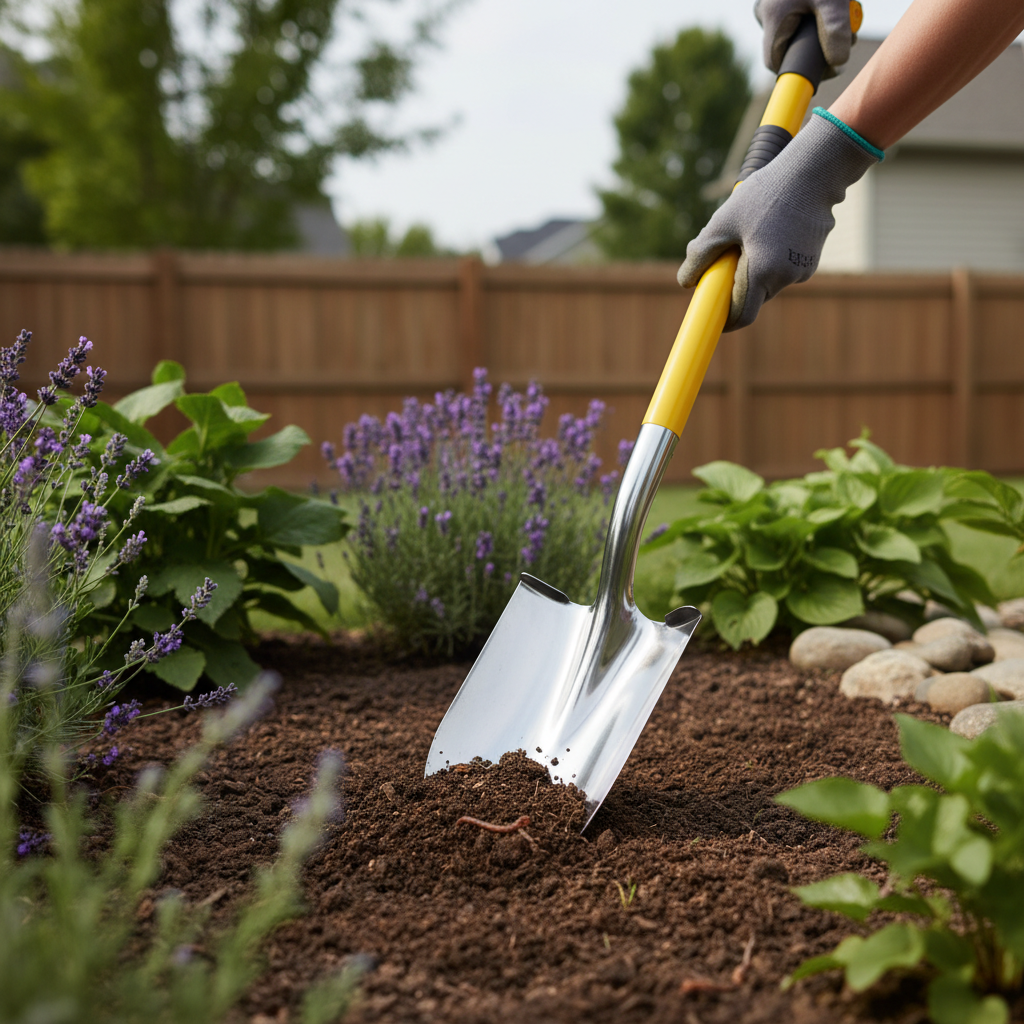
This guide focuses on what a round digging garden shovel does best in soil, how to tell if it’s the right choice for your yard, and the practical moves that make digging faster with less strain.
Why a round digging garden shovel works (and when it doesn’t)
A round-point digging shovel is built to penetrate, not to slice clean edges. That sounds obvious, yet it explains most “why is this so hard?” moments.
- It penetrates varied soil: The rounded tip concentrates force, helping you break into compacted ground, especially when moisture is moderate.
- It lifts and moves soil: The curved blade holds a decent load for moving dirt, compost, or mulch short distances.
- It tolerates rough use better than a spade: Many round diggers handle prying and rocky soil a bit more forgivingly than flat-edged tools.
Where it tends to disappoint is precision work: straight edging, clean trench walls, and sod cutting. For that, a flat spade, trenching shovel, or edger usually feels cleaner and faster.
Quick self-check: is a round shovel the right tool for your soil job?
Before you buy a new tool (or blame your current one), do a fast reality check. These questions usually sort the problem in two minutes.
You’re a good match for a round digger if…
- You’re digging planting holes for shrubs, perennials, or small trees.
- You’re loosening soil to mix in compost or amendments.
- Your yard has mixed soil, some stones, or occasional roots.
- You need one general-purpose shovel that can do “most things okay.”
You may want a different tool if…
- You’re cutting crisp edges along sidewalks or garden borders.
- You’re digging narrow trenches for irrigation lines or cables.
- You’re removing intact sod in large sheets.
- Your soil is heavy clay that stays rock-hard when dry, and you often dig in dry weather.
If you answered “yes” mostly in the first list, a shovel garden digging round setup is likely the right direction, you just need the right specs and technique.
Buying guide: what to look for in a round digging garden shovel
Two round-point shovels can feel completely different in soil. The differences below matter more than brand names in many cases.
Blade material and thickness
- Steel type: Many durable digging shovels use tempered steel. Stainless can resist rust, but thickness and heat treatment still matter for stiffness.
- Blade stiffness: If you frequently hit rocks or pry small roots, a stiffer blade reduces flex and fatigue.
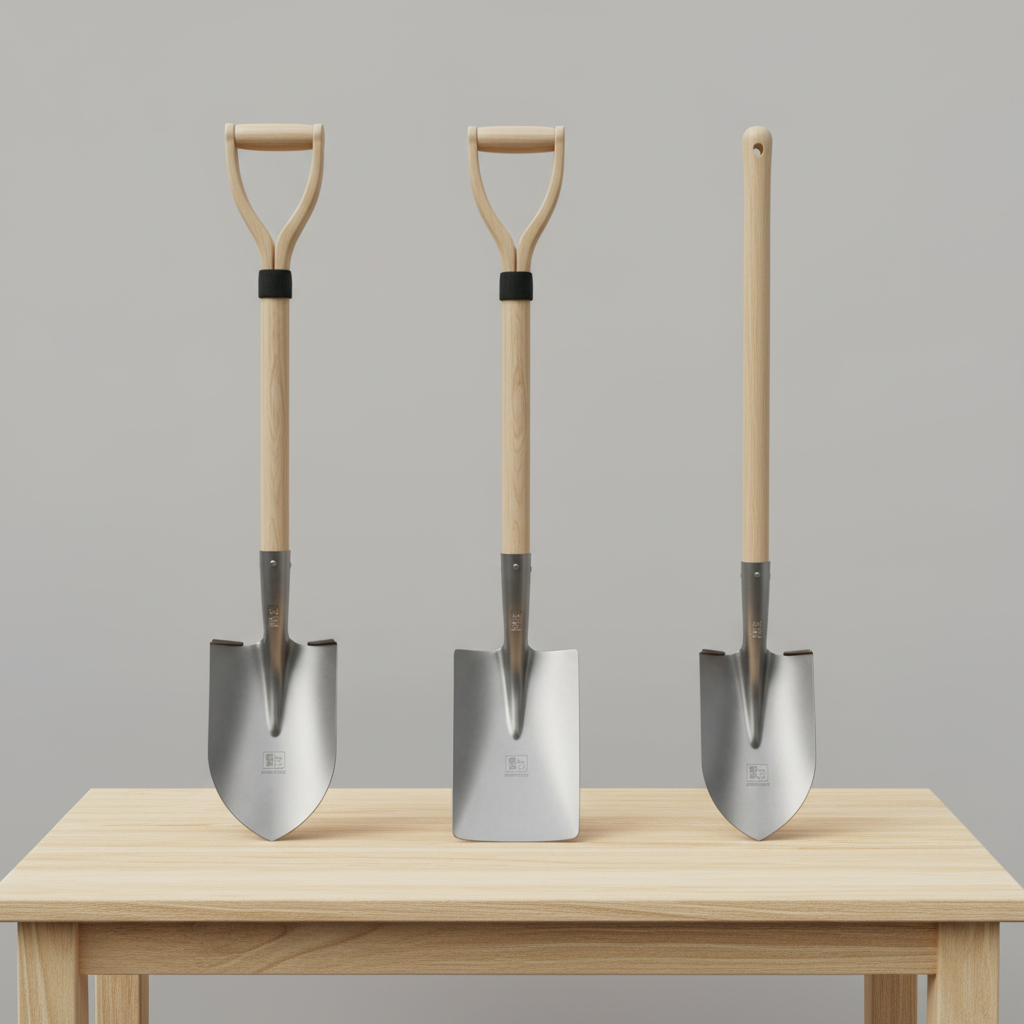
Blade shape: a “round point” can be more pointed than you think
- Sharper tip profile helps in compacted soil and rooty ground.
- Wider scoop moves more soil per lift, but can feel bulky in tight holes.
Handle length and grip
- D-handle gives control for shorter users, tight spaces, and lifting with precision.
- Long handle boosts leverage for breaking soil, but can feel awkward for close-in planting holes.
Connection points that fail first
- Socket-to-handle fit: Loose fits wobble, and wobble becomes cracks.
- Rivets/bolts: More robust fasteners typically survive prying better.
If you want one simple rule: choose a shovel you can plant with control, but still step on comfortably with a stable foot platform. If your boot slips off the blade edge, digging becomes slower and less safe.
Round digging shovel vs other tools (quick comparison table)
People search for one “best shovel,” but real yards need tradeoffs. Here’s a practical snapshot.
| Tool | Best for | Where it struggles |
|---|---|---|
| Round-point digging shovel | Planting holes, loosening soil, moving dirt/compost | Crisp edging, narrow trenches, clean sod cutting |
| Flat spade | Edging, slicing sod, squaring holes | Penetrating rocky/compact soil (can bounce) |
| Trenching shovel | Narrow trenches, irrigation, drainage lines | Moving lots of soil quickly |
| Garden fork | Breaking clay, lifting root clumps, aerating | Moving fine soil neatly |
How to dig better in soil with a round shovel (technique that actually helps)
The tool matters, but technique decides whether the shovel fights you. If you only change one thing, change how you use your foot and hips, not your arms.
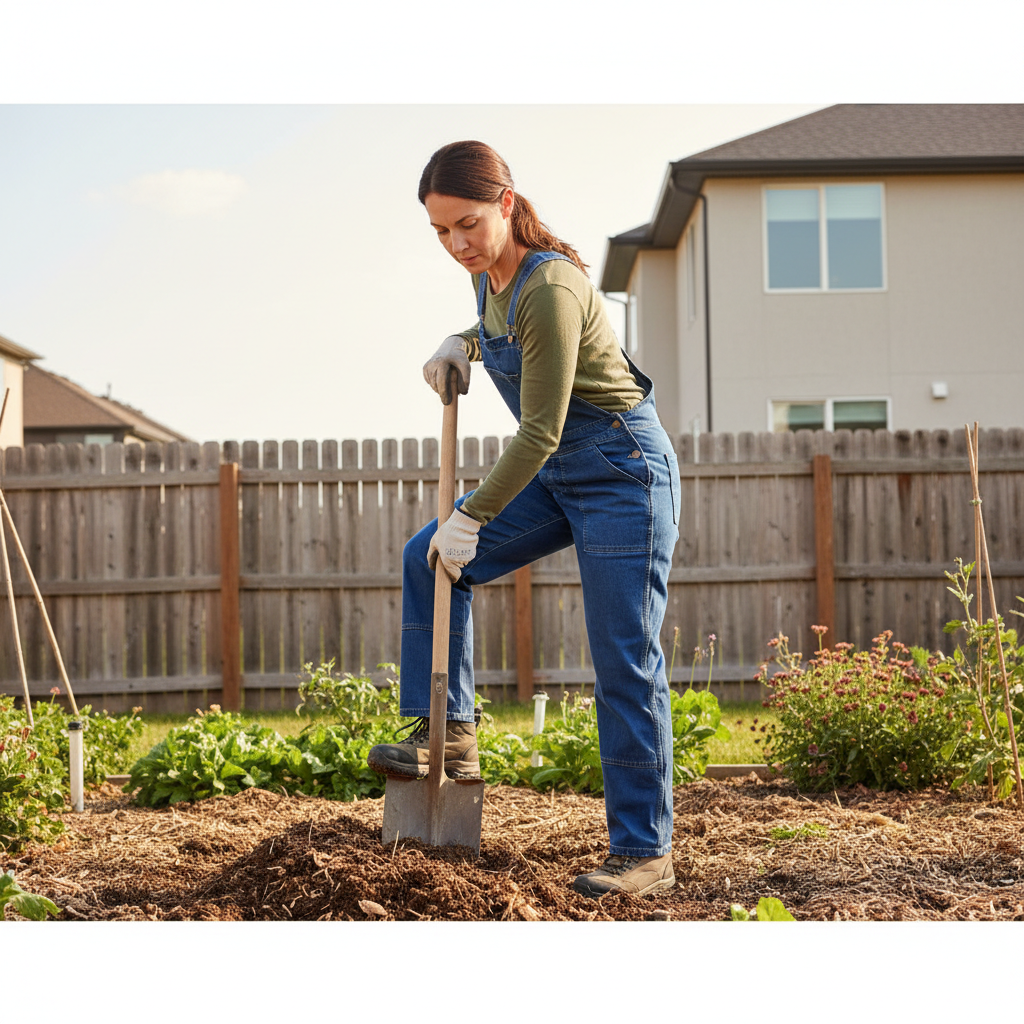
1) Make the first cut, then widen
For planting holes, don’t try to scoop a full load immediately. Drive the tip in, rock slightly to open space, then widen the circle. The hole forms faster and stays cleaner.
2) Step where the shovel is built to be stepped on
Place your boot on the step ledge (if your blade has one) and keep weight centered. A round-point shovel without a real step can bruise your foot and reduce force transfer.
3) Use short lifts, not heroic scoops
Overloading the blade feels efficient until your back says otherwise. Smaller scoops keep the motion smooth and reduce twisting.
4) In clay or compacted ground, “score” first
Cut several penetrations close together, like dotted lines, then start lifting. This breaks the surface tension that makes clay feel like concrete when dry.
Key takeaway: shovel garden digging round work gets easier when you treat the first few moves as “opening the soil,” not “removing the soil.”
Common mistakes that make a round shovel feel useless
- Digging bone-dry soil on purpose: Many soils harden dramatically when dry. If possible, dig after a soaking rain or water the area and wait.
- Prying like it’s a crowbar: A shovel can pry a little, but repeated hard levering bends blades and loosens handles.
- Wrong edge expectations: A round-point won’t give crisp borders. That’s not failure, it’s just the wrong geometry.
- Ignoring sharpness: A lightly sharpened front edge often penetrates better. Just avoid razor-thin edges that chip on rocks.
According to OSHA, using the right tool and maintaining it helps reduce strain and injury risk during manual work. If digging causes persistent pain, it’s smart to pause and reassess technique, tool choice, and workload.
Care and maintenance that extends shovel life
Round digging shovels usually “die” from neglect, not from one hard job.
- Clean after wet soil: Clay left to dry turns into a coating that holds moisture against steel.
- Prevent rust: A light coat of oil on the blade can help if you store in a humid shed.
- Check handle wobble early: Tighten bolts or replace fasteners before the socket wallows out.
- Store off the ground: Hanging reduces moisture contact and keeps the edge from banging around.
When to consider extra help (tools or pros)
If the soil is extremely compacted, full of construction debris, or threaded with thick roots, a round-point shovel may not be the safest or most efficient first move.
- For roots: A pruning saw or mattock may be more appropriate than forcing the shovel.
- For big planting jobs: Renting an auger can save time, though it still needs careful handling.
- For drainage/trenching plans: If you’re unsure about underground utilities, it’s often worth consulting a local professional and using your area’s utility locating service before digging.
Conclusion: make the round shovel work for your soil, not against it
A round digging garden shovel is a solid all-around choice when your work involves penetrating and lifting soil, but it shines most when the blade profile, handle setup, and your technique match the ground in front of you.
If you want an immediate upgrade, pick one job you do most often, then choose the shovel shape and handle length around that, not around the idea of “one tool forever.” Your back will notice.
FAQ
What is a round-point digging shovel best used for?
It’s typically best for planting holes, turning soil, and moving loose material like compost. It’s less ideal for crisp edges or narrow trenches where a flat spade or trenching shovel feels cleaner.
Why does my shovel bounce off hard ground?
Hard, dry soil and compacted clay can repel the blade, especially if the tip is blunt or the soil is baked. Watering the area, scoring multiple penetrations, or using a digging fork to start often helps.
Should I sharpen a round digging shovel?
A light edge tune-up can improve penetration and reduce effort, especially in compacted soil. Keep the edge durable rather than razor-thin, since rocks can chip very sharp bevels.
D-handle or long handle for digging soil?
D-handles feel more controlled for planting holes and tighter spaces, while long handles can add leverage for breaking ground. Many people who do mixed tasks keep one of each, but if you buy one, match it to your most frequent job.
Can I use a round shovel to cut sod?
You can, but it’s usually slower and messier than using a flat spade or a dedicated sod cutter. If you only remove a small patch, it’s workable, but for bigger areas a different tool tends to pay off.
What handle material is better: wood, fiberglass, or steel?
Wood can feel comfortable and absorbs vibration, fiberglass is common for durability and weather resistance, and steel is strong but may transmit more shock. The “best” depends on how often you dig rocky soil and how the handle fits your grip.
How do I know if my shovel is too short or too long?
If you constantly hunch and your lower back gets sore quickly, the handle may be short. If the shovel feels unwieldy in planting holes and you struggle to control the scoop, it may be long for your typical tasks.
Key points to remember
- Match the tool to the job: round-point for penetration and lifting, flat spade for edges.
- Technique matters: open the soil first, then remove it.
- Don’t fight dry clay: timing and moisture often beat brute force.
- Small design details count: tip profile, step ledge, and handle length change the feel.
If you’re trying to pick a round digging shovel for your specific soil type and typical jobs, it can help to compare a couple of blade profiles and handle lengths side by side, sometimes a small change makes the tool feel “right” immediately.